decrease in post-traumatic stress symptoms
South Sudan TICE program outcomesOur impactThe difference
The difference
healing makes.
We combine community experience with research and evaluation to understand how trauma-informed support changes lives.
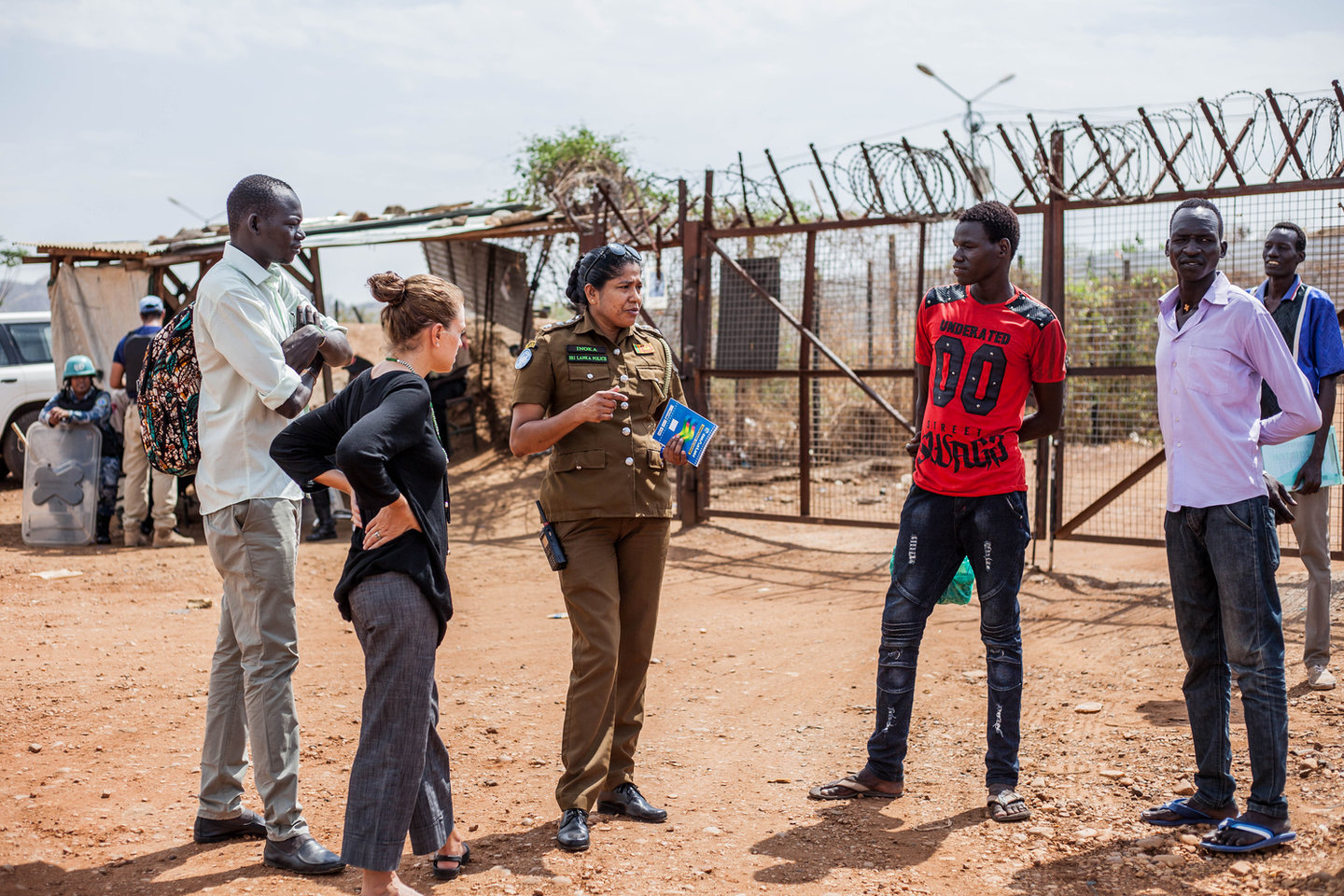
South Sudan Trauma-Healing Initiative
Change that can be measured.
GTP reports these changes after TICE training and mentorship, evaluated with the New School for Social Research’s Trauma and Affective Psychophysiology Lab.
decrease in emotional dysregulation
Following training and mentorshipdecrease in critical heart stress
Physiological outcome measureProgram-specific findings reported by GTP; outcomes are not a prediction for every participant or setting.
Research in partnershipListening closely.
Listening closely.
Looking beyond symptoms.
GTP’s partnership with the New School for Social Research brings together physiological measures, self-report assessments, individual interviews, and structured focus groups.
Measures used in the South Sudan initiative include heart rate variability, the Harvard Trauma Questionnaire, the Difficulties in Emotion Regulation Scale, the Inclusion of Self in Other scale, and the Personal Progress Scale.
Download the South Sudan impact sheet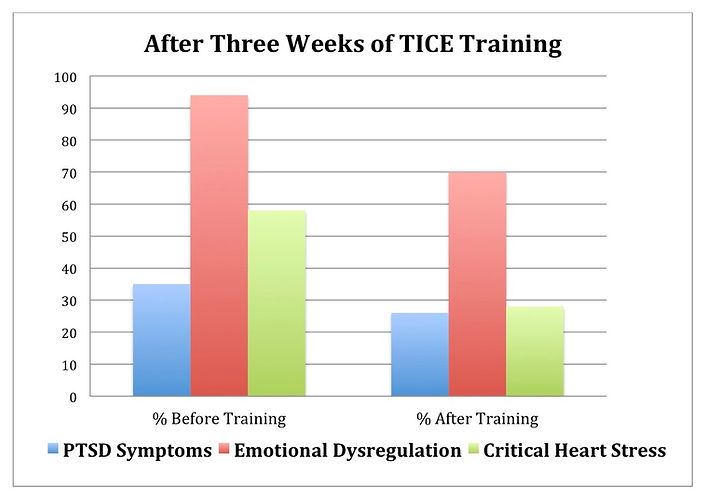
From Kenya to South Sudan
Explore the program reports.
Scaling community mental health in Kenya
Nawiri program impact report.
South Sudan Trauma-Healing Initiative
Program findings and measured outcomes.
In participants’ words
Finding a voice. Rebuilding connection.
“We were born into conflict, raised in conflict, and live in conflict. But it does not have to be this way. Now we have tools to chart a different path.”
“Even when I came for the first training, I was completely shut down. I was traumatized myself, affected by so many years of stress and trauma. But now, after attending these trainings, I can stand my ground. I raise my hand and speak-up. I am not the same person that I was before.”
Healing. Empowerment. Transformation.
Help strengthen what’s already possible.
Explore the South Sudan initiative, or connect with us about community-led training and partnerships.