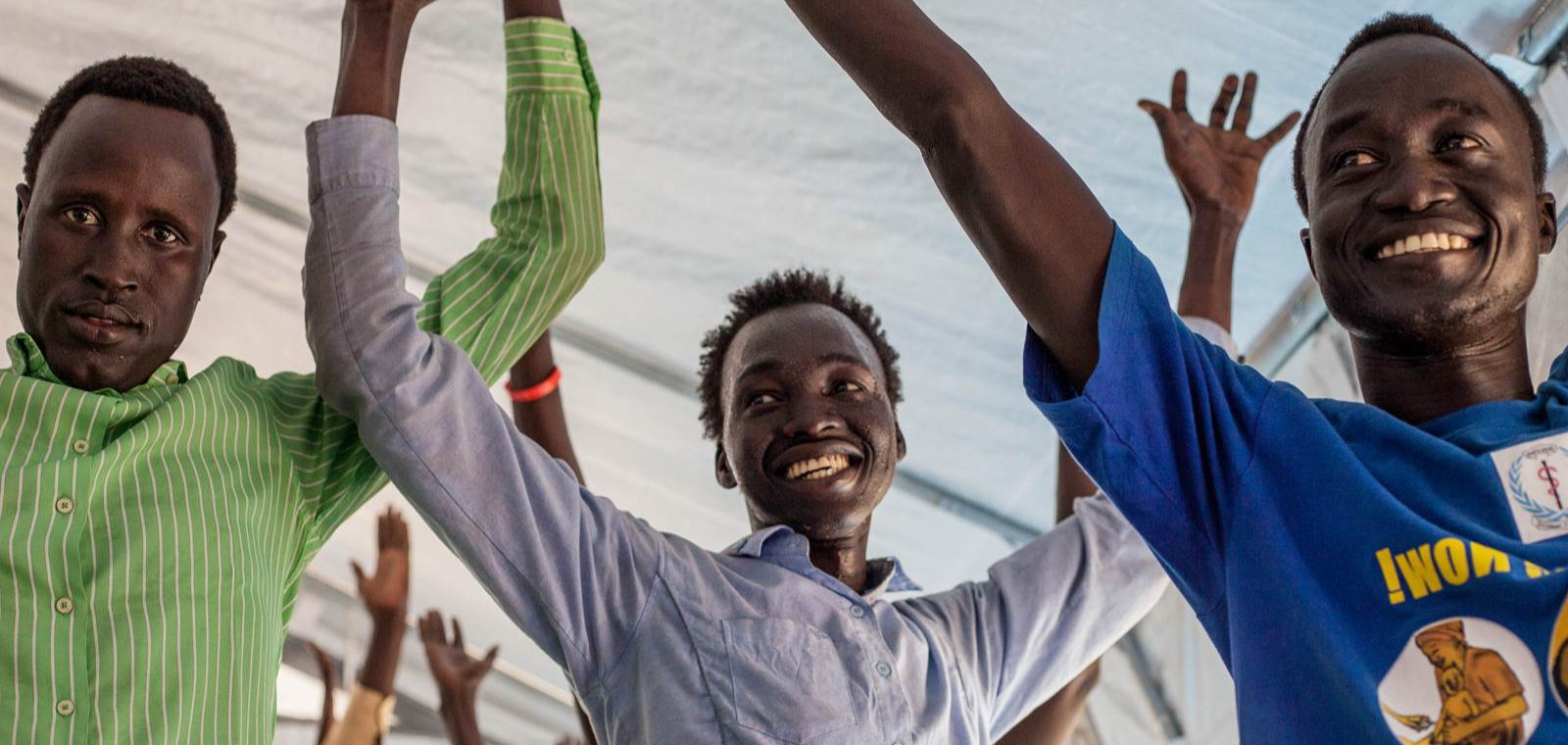
Community members raising their hands together in celebration

Building Capacity for Healing, Empowerment & Transformation

We strengthen local capacity for healing

Global Trauma Project works alongside local leaders, organizations and systems to develop the capacity for trauma-informed change.

“We were born into conflict, raised in conflict, and live in conflict. But it does not have to be this way. Now we have tools to chart a different path.”
Community Facilitator · Aweil, South Sudan
2Countries
20Organizations supported
297Community facilitators trained
3,630People participating in healing support
20,460Family members reached indirectly

Who we are

Lasting change, built within existing systems.

GTP supports lasting change within existing systems through on-going training, mentoring, and certification.

Understand what we do
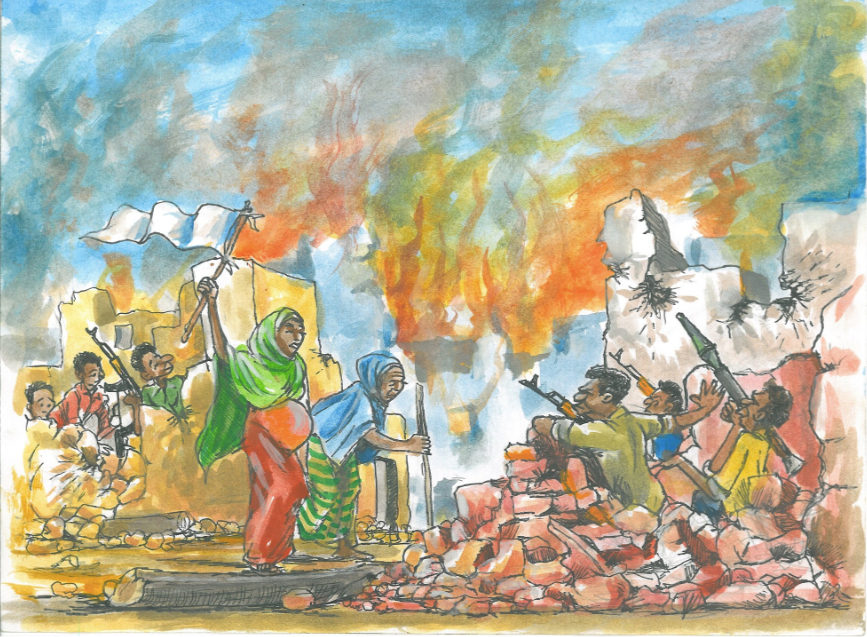
Painting by a community member depicting conflict, displacement and hope

The TICE framework

Healing is multi-dimensional

GTP's foundational framework, the Trauma Informed Community Empowerment (TICE), recognizes six interconnected dimensions that support people and communities to heal and thrive. The adaptable components are rooted in self-healing and community care, and while globally generalizable, they express themselves uniquely in each community and culture.

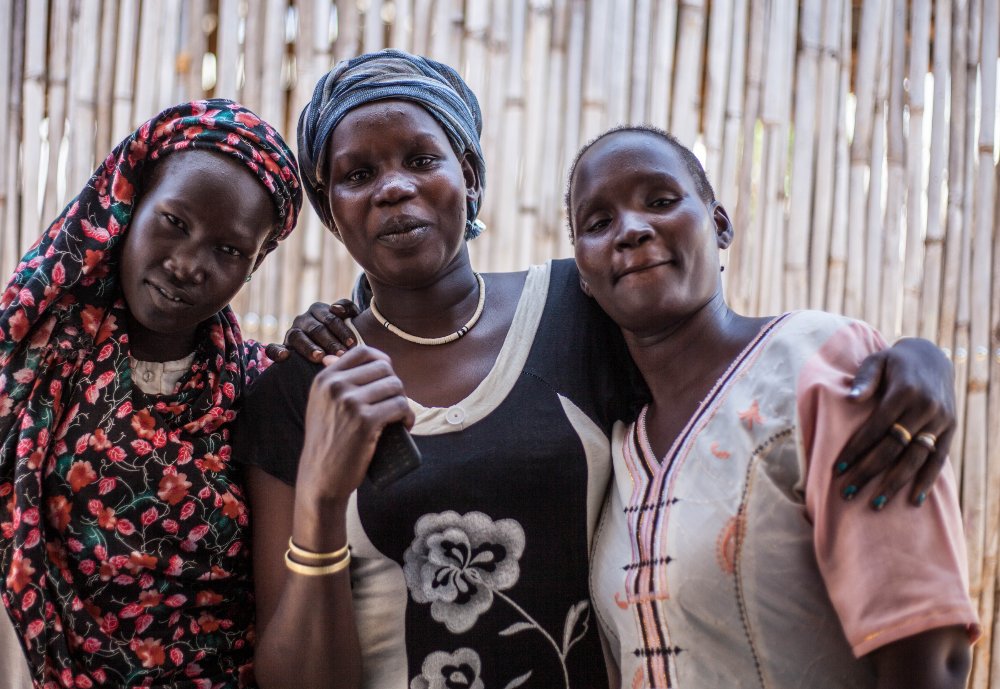
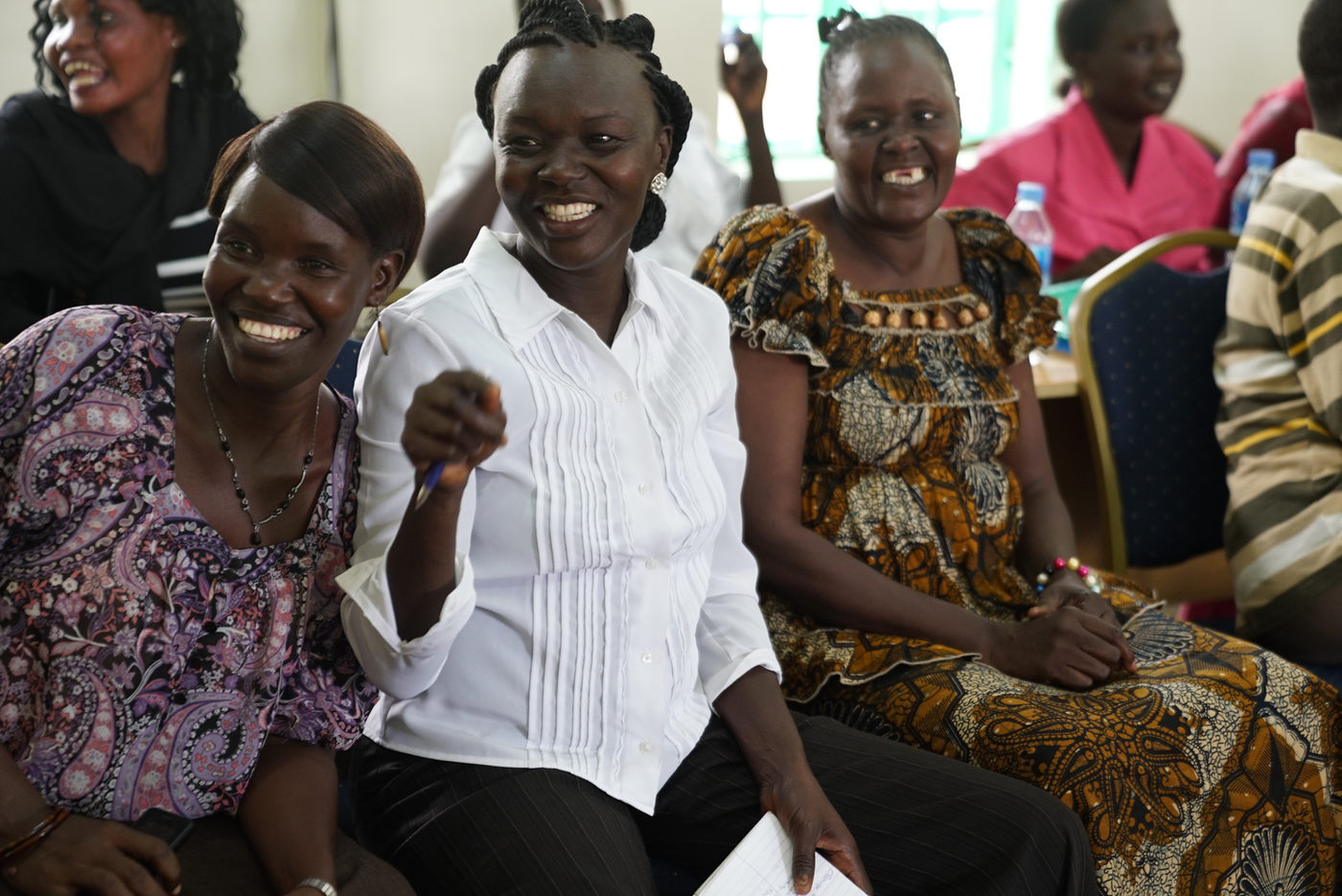
Three women standing together and smiling
Dimension {{activeNum}} of 06

{{activeName}}

{{activeText}}

Together, these six components offer a flexible framework for healing—beginning with ourselves and extending into relationships, community care, and collective healing. How they take shape differs across people, cultures, communities, and circumstances.

A participant illustrating a healing exercise during a training session

12-month practice-based program

Become a catalyst for locally-led change

The Global Trauma Project offers a 12-month practice-based learning program for people leading change in communities, organizations, and systems. Participants develop and implement a locally grounded initiative while strengthening their capacity to create meaningful, sustainable, and scalable trauma-informed change.

Our initiatives

Locally-led initiatives are important

Healing is not only individual. Trauma can affect relationships, families, communities, and entire social systems— particularly in contexts of conflict, displacement, and collective violence. Healing must therefore happen within and through these relationships and communities as well.

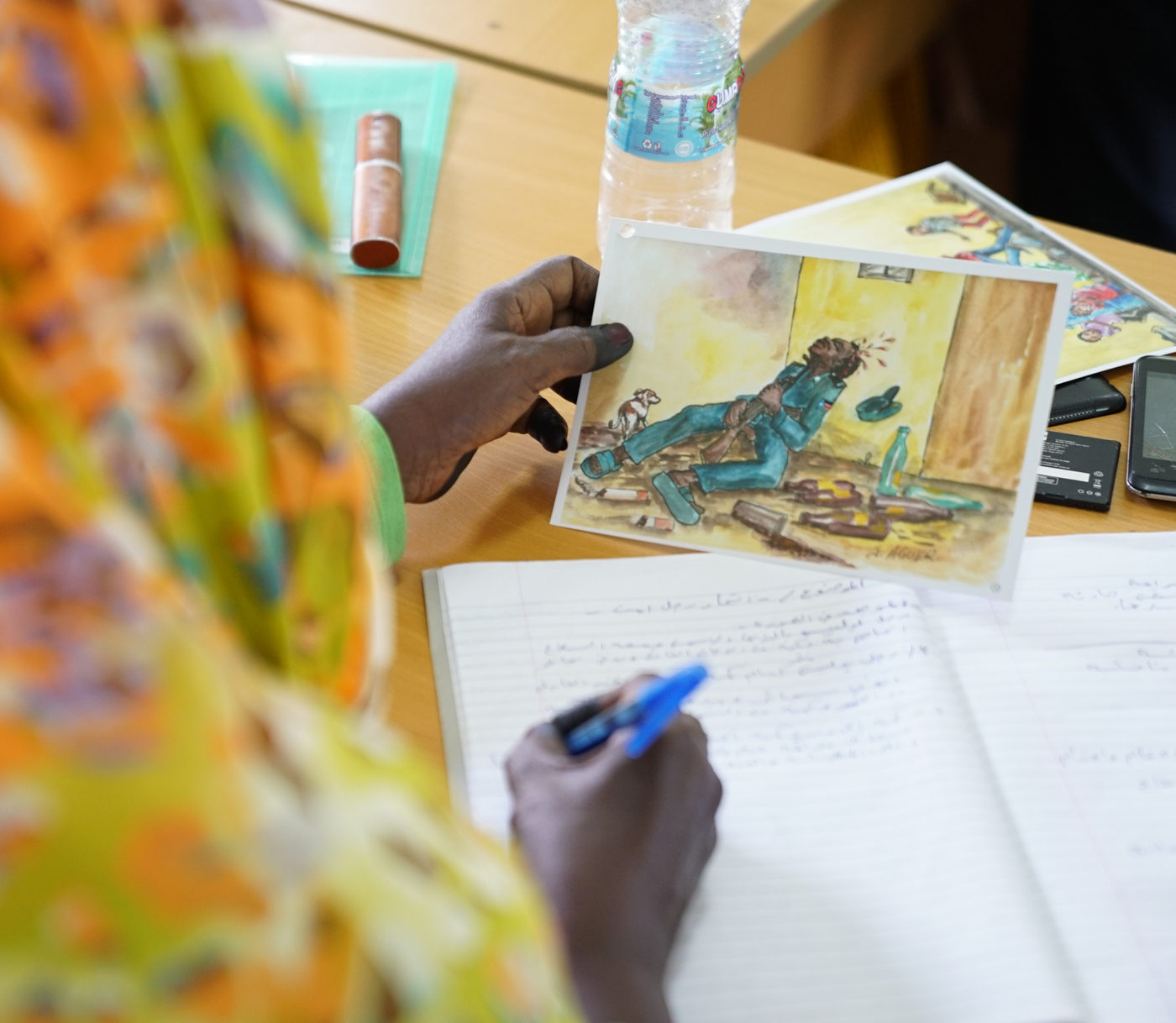
Training participant drawing during a healing session in South Sudan
South Sudan

South Sudan National Trauma Healing Initiative

Supporting Community-Based Healing Initiatives in Conflict-Affected and Internally Displaced Communities

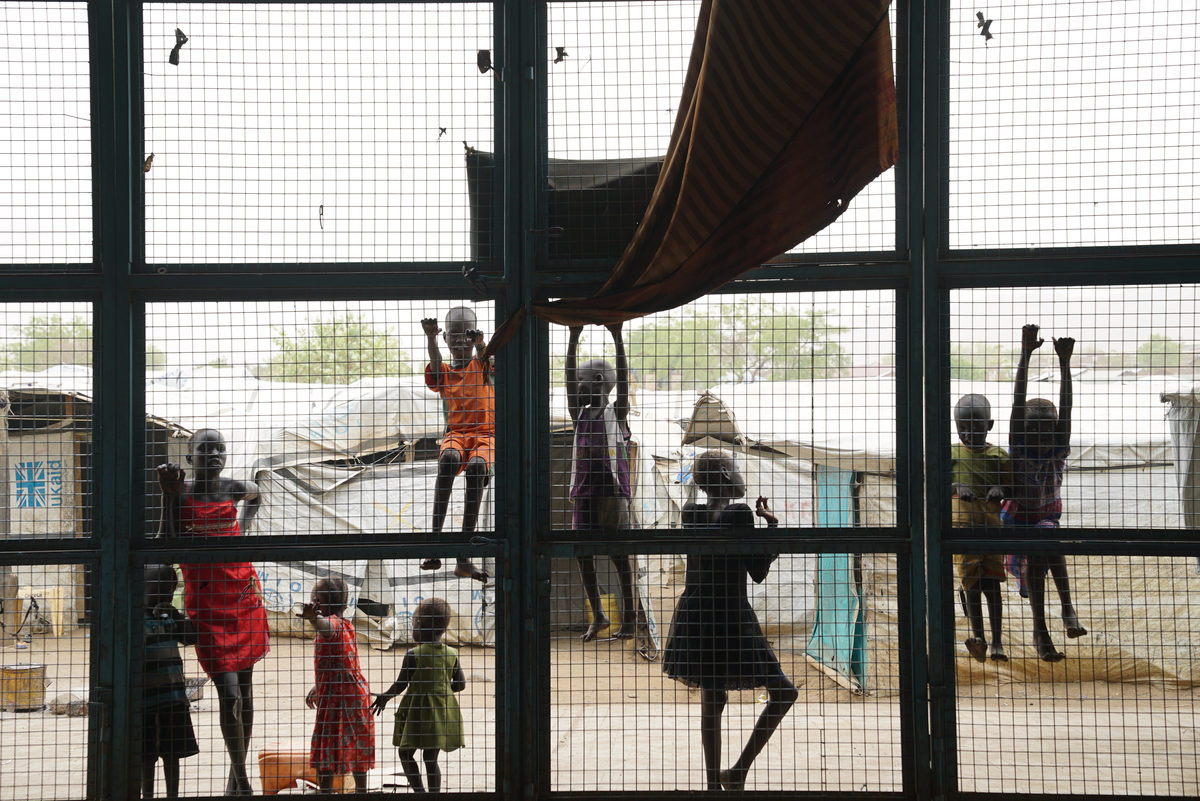
Children at a fenced compound in Baidoa, Somalia
Baidoa, Somalia

Trauma Counseling Center

Peace and Stability of Children and Women Affected by War

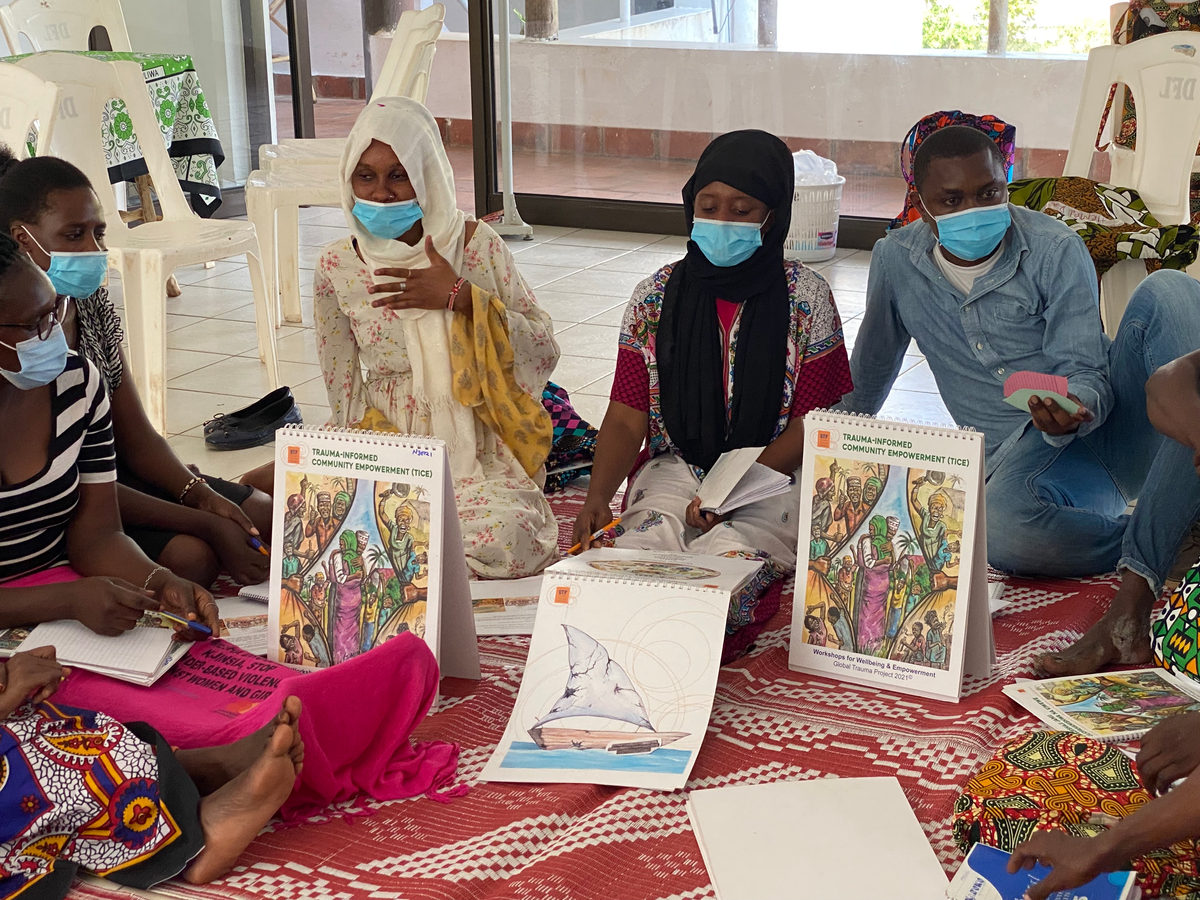
Women in a Nawiri group session with illustrated cards
Kwale and Mombasa Counties, Kenya

Nawiri

Reducing Family and Partner Violence in Coastal Kenya

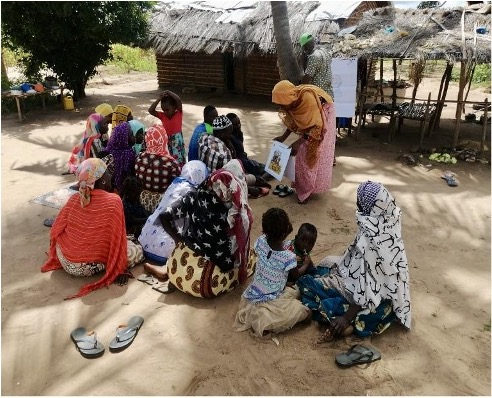
Community members seated together outdoors in Northern Mozambique
Northern Mozambique

Reconstruir

Strengthening Psychosocial Well-Being of Internally Displaced Persons Affected by Conflict

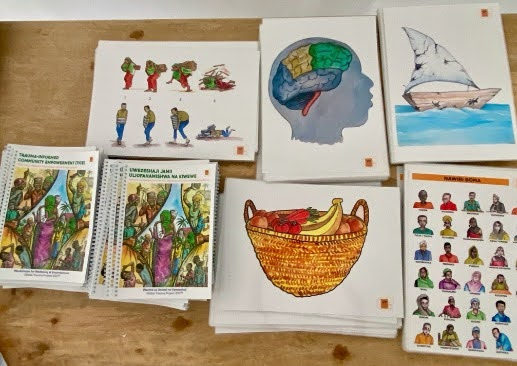
Illustrated training materials laid out on a table
Kwale County, Kenya

RISE

Trauma, GBV and Climate Change: Increasing Safety for Women and Reducing Gender-Based Violence (GBV) in Fisheries Sector

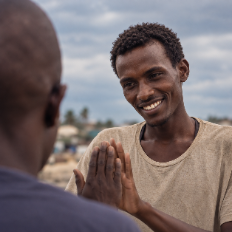
A young man smiling in conversation
Coastal Kenya

CREATE

Collective Resilience Against Extremism: Strengthening Youth and Community Resilience to Violent Extremism in Coastal Kenya

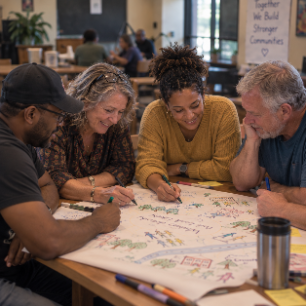
Participants collaborating around a large map at a workshop
Albany State University

Stronger Together Initiative

Building Community-Led Innovation Hubs for Young Parents

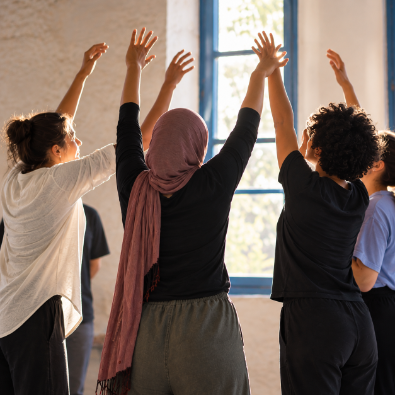
Women raising their arms together in a movement exercise
Greece

Healing Into Action

Strengthening trauma healing and collective action with refugee and immigrant leaders, in partnership with Rhiza Collective

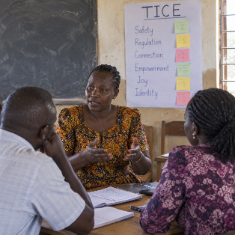
Teachers in discussion beside a TICE chart in a classroom
Kenyan Public Schools

Dignitas: TICE within School Systems

Integrating Trauma-Informed Initiatives within Kenyan Public Schools

Our reach

Impact is more than just numbers.

Expanding local capacity creates greater access to quality, culturally grounded healing and support — strengthening not only individuals, but the relationships and communities around them.

Positive impacts show improvement over time, with a sustained effect after 1-year follow-up.

62% After training, Post Traumatic Stress symptoms (PTSD) decreased by 62%
55% Follow up reports of depression reduced by 55%
14% Critical heart stress in community members decreased by 14% (the USA Gold Standard is a 3% decrease)
90% of participants reported reduced aggression after training
Women laughing together during a community session

Hear from the community

Numbers tell only part of the story. The impact of this work is reflected in people's experiences of healing, connection and change.

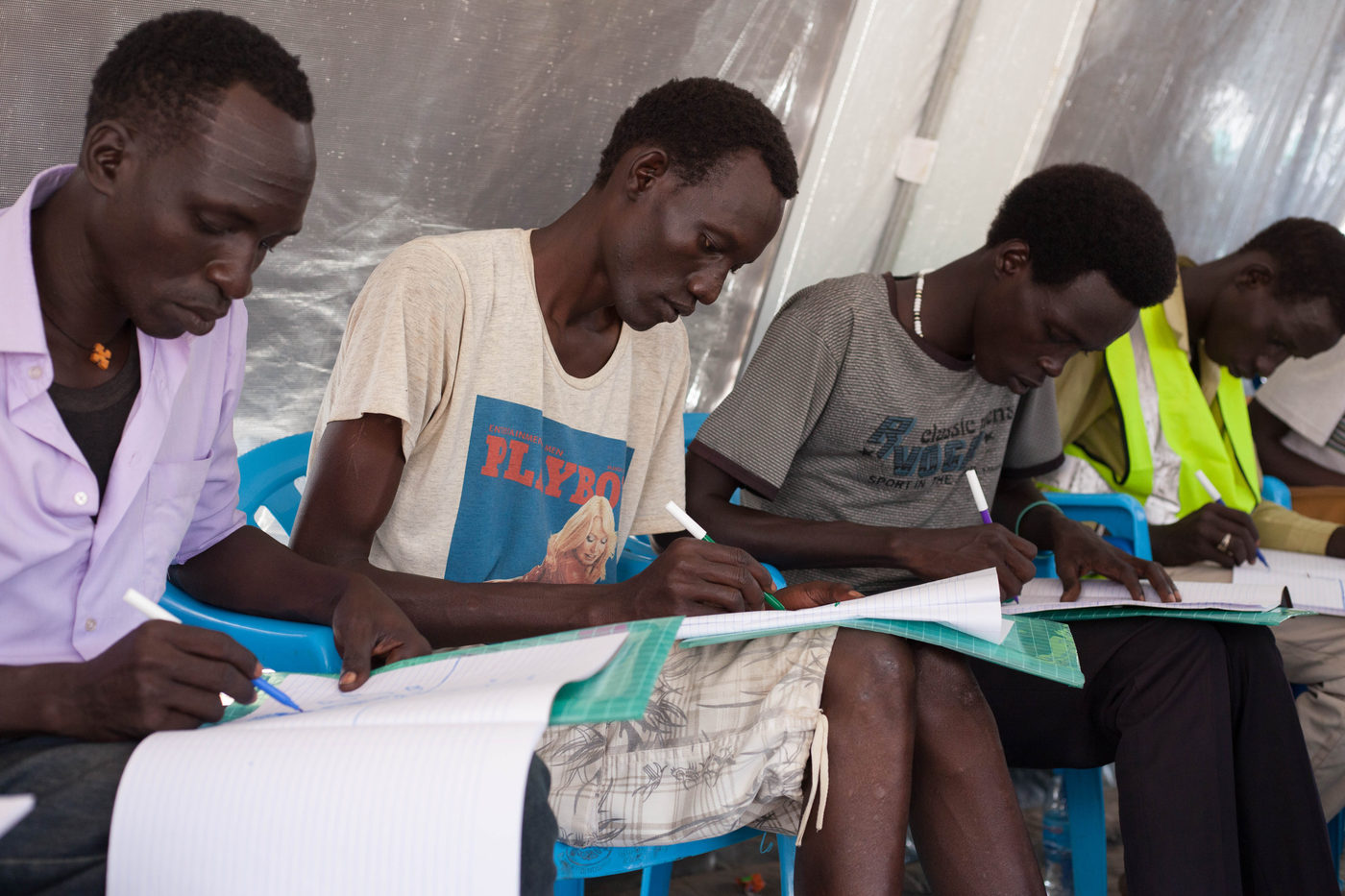
Community facilitators writing during a training
“This training is important to a state of peace. If we can get people to come out of their tents, and gain this information, we can be more in the right state of mind. We can get some vision and hope for the future. But without this, we may stay like those in the pictures– victimized, fighting, and violent.”
Female Community Facilitator, Bor

Global Center for Trauma-Informed Change Making

Join a global network of change-makers

Through GTP’s educational initiative, the Global Center for Trauma-Informed Change Making, practitioners and community leaders take part in a 12-month training and applied learning program where they design and implement a locally grounded trauma-informed initiative, evaluate its impact, and contribute learnings to a growing global body of practice.

At the heart of this work are two complementary frameworks: Trauma-Informed Change Making (TICM) and Trauma-Informed Community Empowerment (TICE). Together, they support change at both the systems and community levels.

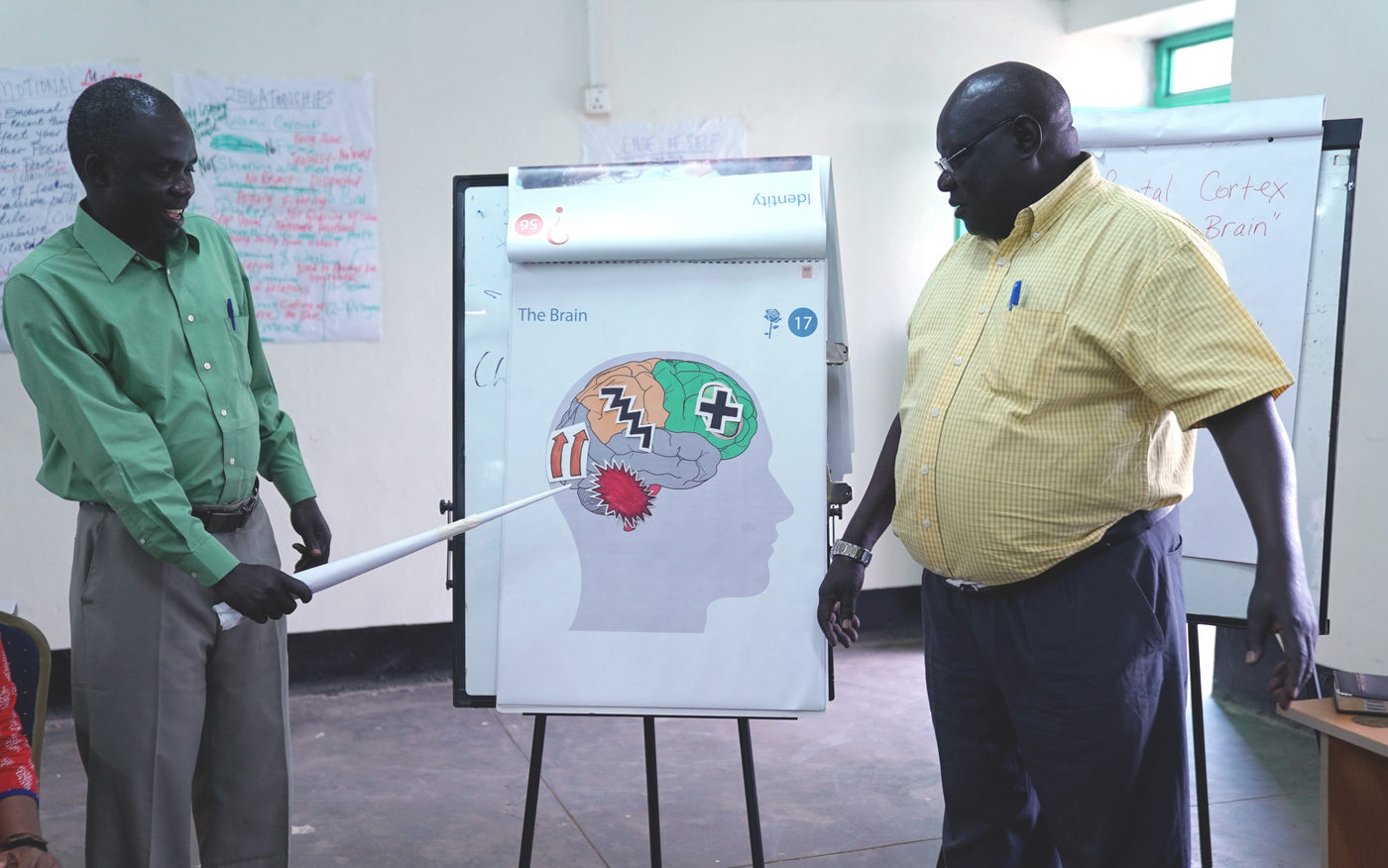
Two facilitators presenting a brain diagram on a flip chart
TICM

Trauma-Informed Change Making

TICM is a systems change model that supports organizational, governmental, and community leaders in designing, integrating, and mainstreaming trauma-informed approaches into existing structures. Participants apply the model through locally-grounded initiatives, using research and evaluation to understand impact, strengthen their work, and share what they learn.

Explore the TICM Model

TICE

Trauma-Informed Community Empowerment

TICE is a flexible, capacity-strengthening framework tailored to specific cultures and environments to ensure relevance and deep internalization by local providers. Core principles of the framework can be integrated into healthcare, education, peace-building, violence prevention, livelihood development, leadership, and other thematic areas.

Learn about TICE

TICM Certification

How the program works

Over 12 months, participants build on their prior knowledge and experience, recruiting leaders from their communities to co-develop initiatives that expand access to trauma-healing support, build local capacity, and create scalable change. The program blends interactive learning with live sessions, mentorship, research support, and peer exchange.

Upon completion, participants earn a Certificate of Trauma-Informed Change Making and join the practitioner network, where they can continue engaging with change makers across the globe.

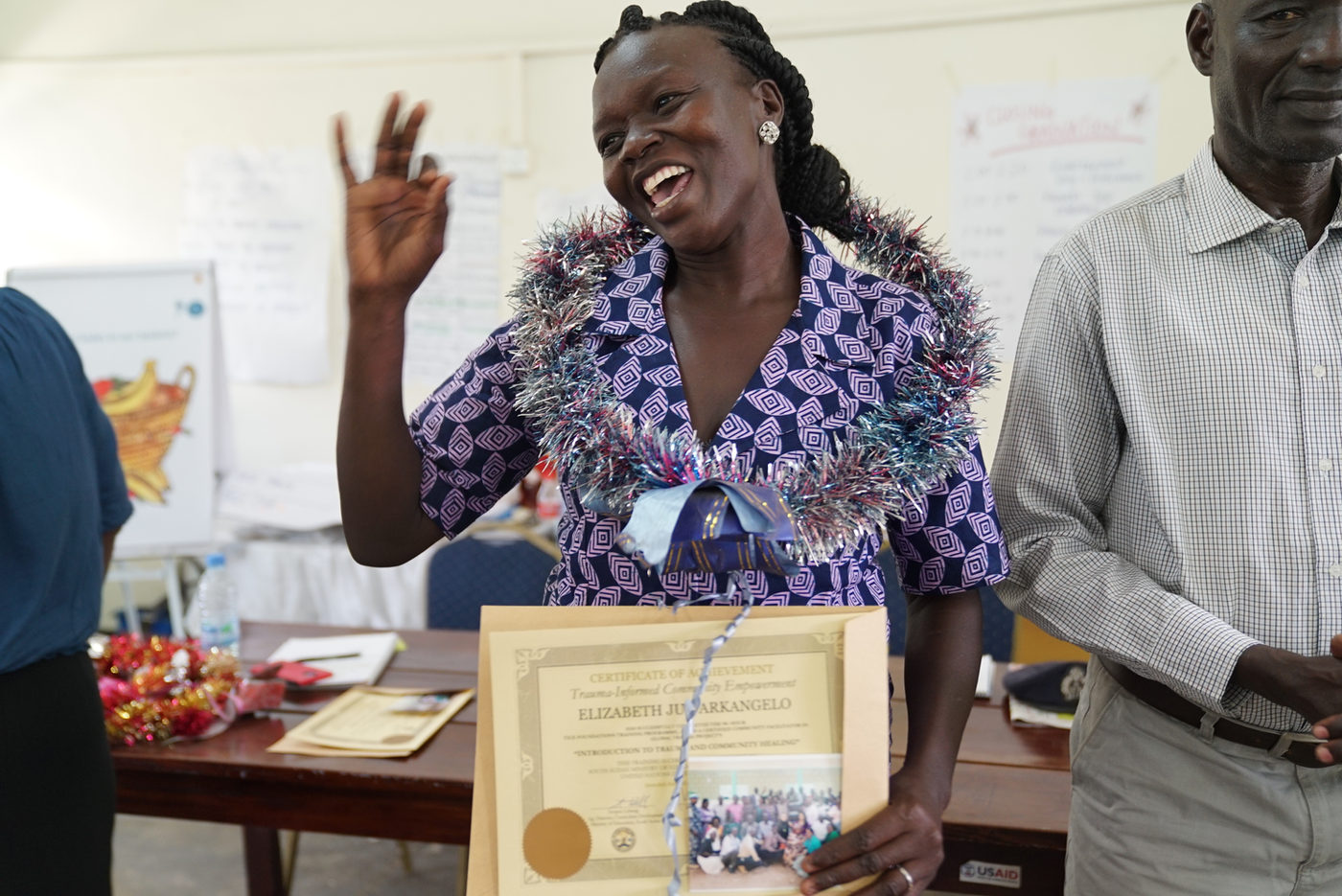
A graduate smiling while holding her certificate

Events

Where you can find us

Boston skyline seen through trees
Boston, MA, USA | May 27–30

37th Annual Boston Trauma Conference

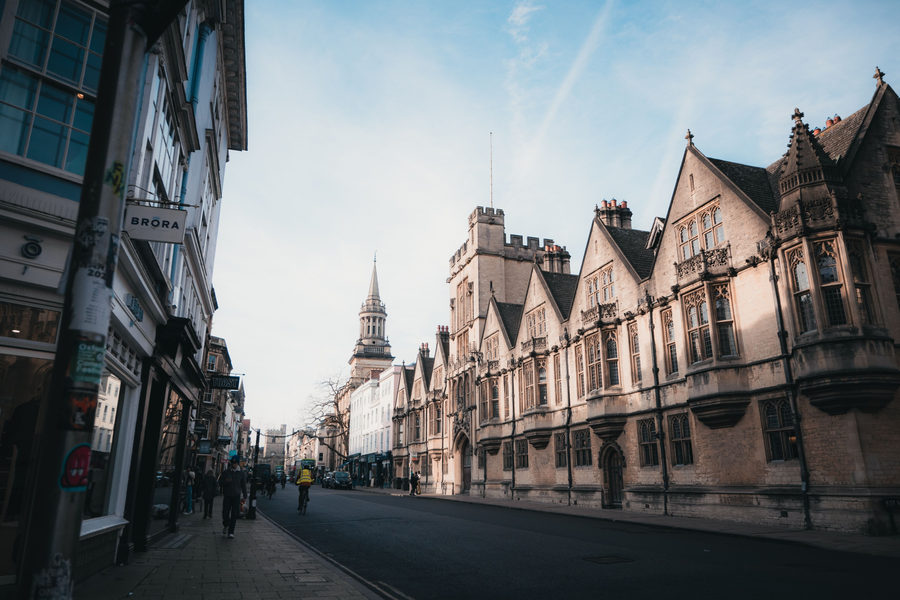
Historic street in Oxford, UK
Oxford, UK | Sept 14–17

Transform Trauma Oxford 2026

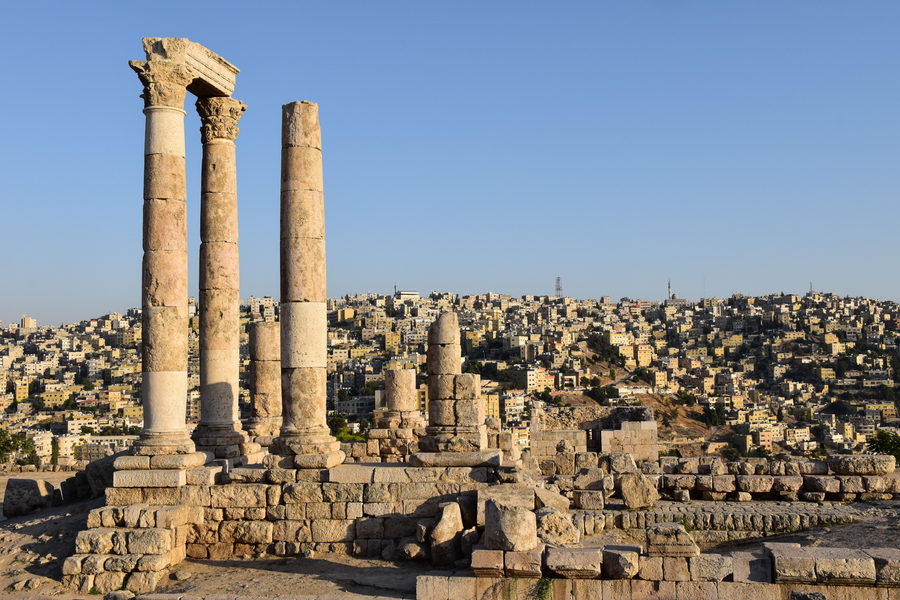
Temple of Hercules ruins overlooking Amman, Jordan
Amman, JO | Sept 19–20

Early Light Foundation War Trauma Conference 2026

In partnership

Our Partners

UNDP
Dovetail Impact Foundation
Trauma Research Foundation
The New School for Social Research
Wellspring Philanthropic Fund
USAID
Ashoka
IUCN
CARE
Mercy Corps
FXB Center for Health and Human Rights at Harvard University
Inner Safety Project
South Sudan Ministry of Education
Kwale County, Kenya
South Sudan People's Defence Forces
The Rotary Foundation
Erk Mead
Population Council
South Sudan National Police Service
JRI
Project HandUp
Albany State University

Learn more and get involved.

Building Capacity for Healing, Empowerment & Transformation.