overall decrease in symptoms of post-traumatic stress among Nawiri participants
65% decrease in females, 54% in malesNawiriHealing toward
Healing toward
flourishing families.
Nawiri Boma Fellowship: trauma-informed change-making for addressing partner and family violence in coastal Kenya. This is Global Trauma Project’s final report on the Nawiri project in Kwale and Mombasa counties, October 2019 to March 2022.
- Programme
- Nawiri Boma Fellowship in Trauma-Informed Change-Making
- Authors
- Ann Wahinya, MA and Ilya Yacevich, MA, LMFT
- Geographic coverage
- Kinondo and Ukunda wards, Kwale County; Timbwani ward, Mombasa County, Kenya
- Implementation period
- October 2019 to March 2022
- Funder
- Wellspring Philanthropic Fund
- Research partner
- New School for Social Research
- Report type
- Final report 2022
- Date
- March 2022
Key findings
Measured change among participants.
407 participants were recruited into the 10-session community workshops; 386 completed all 10 sessions.
overall decrease in depression
97% reported clinical levels of depression at baselineoverall decrease in critical heart stress
59% decrease in males, 18% in femalesof participants said Nawiri helped them become less aggressive towards their spouse or partner
91% reported less aggression in the homePre- and post-programme assessment results analysed with the New School for Social Research, not a controlled causal study. See Outcomes 3 and 5.
Acknowledgements
Global Trauma Project would like to thank our funder, the Wellspring Philanthropic Fund, for supporting GTP in implementing the Nawiri project, and carrying out this study. We would also like to thank our research partner, the New School for Social Research for their technical guidance in identifying impact measures, data analysis, and documentation of this research report. In particular, we want to recognize clinical psychology PhD candidate, Sarah Beranbaum, New School for Social Research who designed the evaluation, conducted analyses, and prepared written documentation of the outcomes, Ellen Yates, New School for Social Research who assisted with the written documentation of program outcomes and Dr. Wendy D’Andrea, New School for Social Research who oversaw the evaluation and provided advanced statistical and interpretive services. In addition, we want to acknowledge the support we received from the County Government of Kwale through the County Commissioners’ office and department of health. We want to recognize GTP’s Leadership for the guidance, in particular, Ilya Yacevich, Founding Director, Anita Shankar, GTP Monitoring, Evaluation and Learning Lead. In additional we want to acknowledge the hard work and support of Rosaia Roberto, GTP Organization Development Lead.
This report would not have been possible without the GTP implementing team. We want to acknowledge the hard work, expertise and commitment of Ann Wahinya, Dhieu, Dau, Grace Kadenge, and Kiana Angalia. Most importantly we want to greatly acknowledge the Nawiri Fellows for their commitment, passion and hard work. We also want to appreciate all the participants who participated in the Nawiri program, for their commitment to bettering the lives of their families and communities. Also special credit and appreciation goes to the magnificent and highly talented artists, James Aguer and Josephat Kiniaru, who have worked to bring all TICE content to life, making the fellowships relevant and personal for those taking part.
Executive summary
Experiences of trauma, abuse, violence & compounded stress affect people worldwide, regardless of location, background, or socioeconomic status. These experiences can affect our capacity to learn, self-regulate, problem solve & innovate.
This report covers Global Trauma Project’s (GTP) implementation of the Nawiri project for a period of 3 years from October 2019 to March 2022, and details key activities, implementation model, impact assessment results, outcomes and recommendations for future programming. Global Trauma Project is a capacity-strengthening organization located in Kenya that supports local providers around the world to implement trauma-informed initiatives. Our goal is to support local change-makers in increasing resilience and reducing the impacts of compounded stress/ complex trauma by training, mentoring, and certifying trusted community members to facilitate trauma-informed programming in a manner that is accessible, culturally-relevant, and proven to show significant impact.
GTP implemented the Nawiri Boma Fellowship in “Trauma-Informed Change-Making (TICM),” as a way to support local community caregivers in promoting mental health and wellbeing, serving as a foundation to prevent and reduce intergenerational cycles of partner and family violence in Coastal Kenya. It utilizes a holistic, “trauma-informed,” family-centered approach, and focuses on reducing gender-based and other forms of violence, stopping cycles of victimization and aggression, & promoting community empowerment. In addition, it looks at reducing the impacts of “childhood adverse experiences” on caregivers, and preventing further adverse experiences in the younger generation, and addressing the negative impacts of chronic stress, crisis, and complex trauma.
GTP implemented the Nawiri project in three targeted geographic wards, Kinondo and Ukunda wards in Kwale County, and Timbwani ward in Mombasa County. The project was designed as a certification program, in collaboration with the Ministry of Health, Department of Mental Health, Kwale County. The TICM Nawiri Fellowship aimed to promote and strengthen the capacity of community change-makers in Kwale and Mombasa counties to break the cycle of Family & Partner Violence. GTP also adapted the TICE framework (which has previously been utilized in South Sudan and Somalia), to suit the Kenyan coastal context, taking Intimate Partner Violence (IPV) issues into consideration. TICE is contextualized to specific cultures/ environments to ensure that the concepts are relevant and can be deeply internalized and utilized by local providers.
GTP co-designed impact assessment measures with the New School for Social Research, which were administered in the form of Wellbeing Assessments and Heart Rate Variability Assessments. Results of the impact assessment show that GTP’s TICE intervention proves to be highly impactful on all categories, and meets or exceeds ‘gold-star’ interventions for Post-Traumatic Stress, Depression, and Physiology/ Critical Heart Stress.
Background and context
According to the 2014 Kenya Demographic and Health Survey (KDHS), 45% of women and 44% of men age 15-49 have experienced physical violence since age 15. Among ever-married women, the most commonly reported perpetrator of physical violence is the current husband or partner (57%) followed by the former husband/partner (24%). In addition, 14% of women age 15-49 reported having experienced sexual violence at least once in their lifetime and 8% had experienced sexual violence in the past 12 months before the survey. Women’s report of sexual violence is also lowest, at 6% or less, among Muslim, North Eastern, and never married women.
The COVID-19 Pandemic has led to increasing cases of Gender Based Violence and Intimate Partner Violence, dubbed the ‘silent epidemic.’ GBV and harmful practices, including FGM and child marriages increased during the lockdown in Kenya and as such went unreported due to movement restrictions and limited knowledge on where to seek help. Physical and sexual violence and FGM and child marriages were the most prevalent forms of violence experienced in the homes and are normally perpetrated by family members. The restrictions imposed made it harder for survivors to report abuse and seek help, and led to a decreased capacity for support providers to respond. Consequently, the pandemic posed new and unique mental health challenges, while also highlighting existing gaps in mental health services and support (UN Women, 2020).
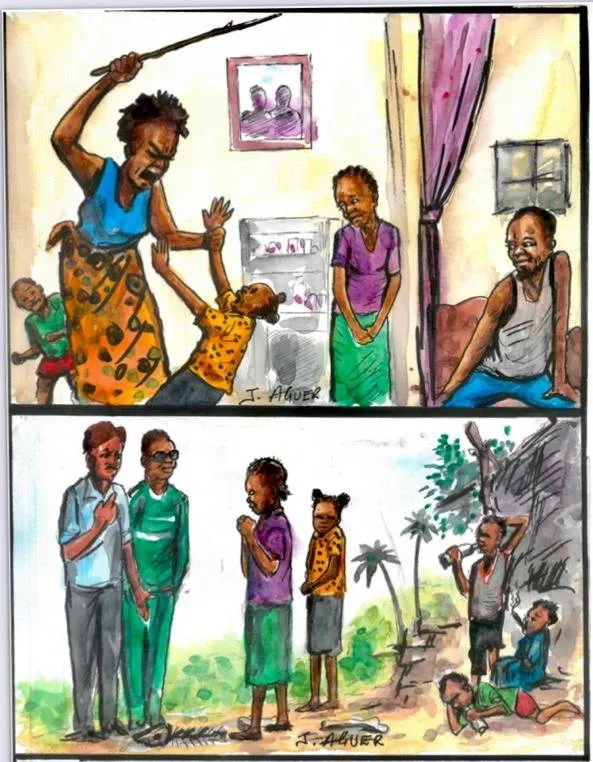
Rationale
Violence has serious short- and long-term consequences on women’s physical, sexual and reproductive, and mental health, as well as on their personal and social well-being. The health consequences of violence against women include injuries, untimed/unwanted pregnancy, sexually transmitted infections (STIs) including HIV, pelvic pain, urinary tract infections, fistula, genital injuries, pregnancy complications, and chronic conditions. Mental health impacts for survivors of gender-based violence include symptoms of Post-Traumatic Stress Disorder (PTSD), depression, anxiety, substance abuse, self-harm and suicidal behavior, and sleep disturbances, among others. In addition, a survivor of GBV may also face stigma and rejection from her community and family (World Health Organization, 2018).
A survey conducted on consequences of COVID-19 pandemic in Kenya showed that there was a decline in mental health of women at 60% relative to men at 56%. Although COVID-19 has affected the physical health of both women and men, the burden of mental and psychological health disproportionately falls on women. Coupled with the circumstances around the pandemic, the burden of stress, anxiety and confidence, losing one’s job and therefore incomes, having to take care of families at home and ensure that their basic needs are met amid financial constraints may have greatly contributed to the declined mental health (UN Women, 2020).
Currently, there are very few organizations, and minimal coordinated efforts, to combat the impacts of trauma as a result of Intimate Partner Violence in the country. Women do not report incidences and in most cases have access to very few existing services. Mental health services are for survivors of violence are limited in coastal target communities, and, where available, they are costly and not integrated into the primary health care system. In addition, vulnerable populations often lack strong social networks, which could offer emotional support, as well as information and material assistance.
Interventions that build social capital have been shown to increase agency and empowerment among participants; while programs that increase women’s social capital, agency, and economic self-sufficiency have been shown to decrease reports of PV/FV in participants. Such interventions may improve women’s’ ability to protect themselves by reducing their social isolation and providing them with social safety nets through mentors, peer groups, civic engagement, and access to health information and services (Population Council, 2017).
“My husband used to refuse me to work and then deny me money for food. I struggled a lot to take care of my 3 children as we at times slept hungry without food. I felt ashamed and embarrassed to talk to anyone about it, the only person who sensed things were not okay was my neighbor, from whom my children would go borrow food from. I fell into depression and felt helpless due to the situation at home. My neighbor informed me of the Nawiri workshop sessions and I agreed to participate in the program. However, my husband did not want me to attend the sessions, he even told me that such meetings usually lead to women ruining their marriages, due to the bad advice they are given. I insisted to attend the sessions, so that I could leave the house and have some freedom away from home and my problems. During discussions in the sessions is when it occurred to me that what I was going through is a type of partner violence or abuse. All this while, I did not realize that my rights were being violated. Initially I did not speak much during the sessions, as I was scared of being judged by others. However, when I realized that everyone in the group was suffering from some kind of things, I gained courage and was able to share my story with the group.
I have gone through a process of acceptance and healing during these sessions. I was careful to speak with my husband about the topics, but over time, I showed him the materials and we had many discussions about the program. I regained my voice and confronted my husband about the situation at home, citing that I would report him to the area chief. Later, he even seemed to relate to the program, and changed to really support me in attending. He felt it was helping him as well, and as I started to feel better and mores support, he started to even change some of his behaviors as well. He has now allowed me to work or start a business. In addition, he has been giving me money for food for me and the children. I am extremely grateful that I had such an opportunity to participate in these healing sessions, and I wish the same could be extended to many other women in my community”.
Trauma-Informed Community Empowerment (TICE) framework
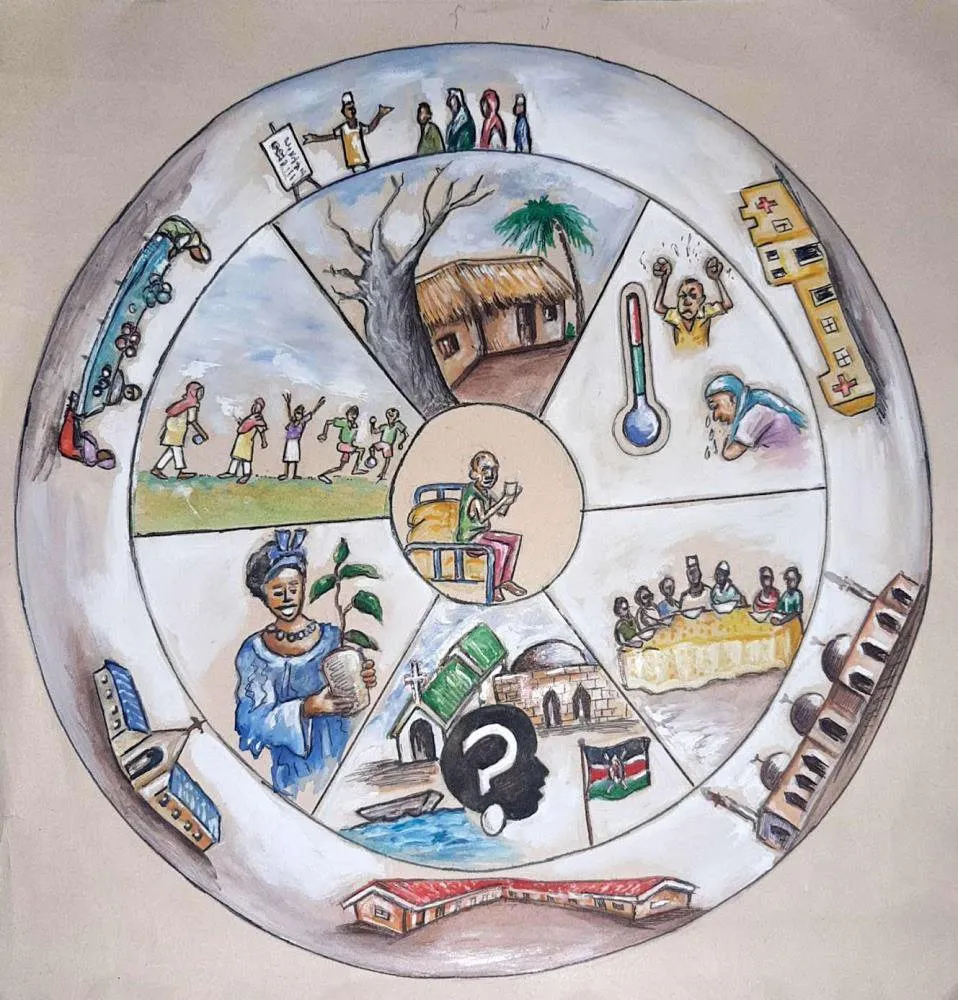
Global Trauma Project (GTP) utilizes a Trauma-Informed Change-Making (TICM) model which is an evidence-based model that has been designed for working with communities impacted by trauma, stress, or other forms of adversity, where effective mental health supports are lacking. GTP’s “Trauma-Informed Community Empowerment” (TICE) framework serves as a foundation for training, assessment, and mentorship of Community Providers to reduce the impacts of trauma and compounded stress. The TICM Fellow Training is made up of two parts: psycho-social education and skills which serves as the introduction to Trauma focusing on healing, coping and regulation and the TICE Framework. The framework comprises of 6 core components that are most affected by trauma: safety (internal & external sense of security); regulation (energy & emotions); connection (relationships, trust, etc.); identity (how I view myself and others, sense of belonging, etc.); empowerment (sense of agency & capacity to affect change) and Joy (feeling of thriving and enthusiasm for engaging in life.)
In addition to these 6 Core Components, TICE focuses on the aspect of “Self-Care” as a central principle within the framework. This means that the 6 Core Components must be applied and utilized within ourselves, before we can work to support healing within our communities. TICE also stresses the aspect of “Self-Healing” as a continual, on-going process that must be prioritized and supported. The TICE model serves as a foundation to be integrated into Peace-Building/ Conflict Transformation, Violence Prevention, Education, Livelihood/ Economic Development, Leadership, and Health Care among other thematic areas.
Contextualised training program
Outcome 1: Contextualize culturally-relevant training program for addressing effects of trauma, sexual/ gender-based and interpersonal violence in Coastal Kenya.
1.1 Stakeholder consultative meetings
In order to ensure that programming was most applicable, and to ensure local ownership, GTP undertook a rigorous process of engaging a variety of community stakeholders during each phase of activities. GTP held stakeholders’ consultative meetings in September 2020 and February 2021, with community gatekeepers, civil society organizations, religious, women and youth leaders, and service providers such as Ministry of Health officials, health facility in charges, legal service providers, rescue shelters, local area administration, community health volunteers, rescue centers, police gender desk officers, GBV champions among others in Kwale and Mombasa counties.
1.2 Girl roster exercise
In March 2020, GTP conducted a community mapping and girl roster exercise in 2 geographic wards in Kwale and Mombasa counties respectively. The Girl Roster is a brief questionnaire administered via android phones. The exercise helped to understand the differences among girls living in rural and per-urban communities, and assisted in designing relevant interventions that suit the costal context. It also enabled us to understand existing gender & social norms, and to delve deeper into complexities of IPV in most households. Results showed that a high percentage of girls aged 9 to 14 were out of school, and nearly half of the 1618 girls identified in the 2 wards were two years behind in schooling. Results also showed low transition levels of girls from primary to secondary schools. Consequently, 30% of all 18–19-year-old girls were married or had children, which indicates high numbers of child marriages and teen pregnancies, which was confirmed through household interviews.
1.3 Mental health assessment & COVID-19 campaign
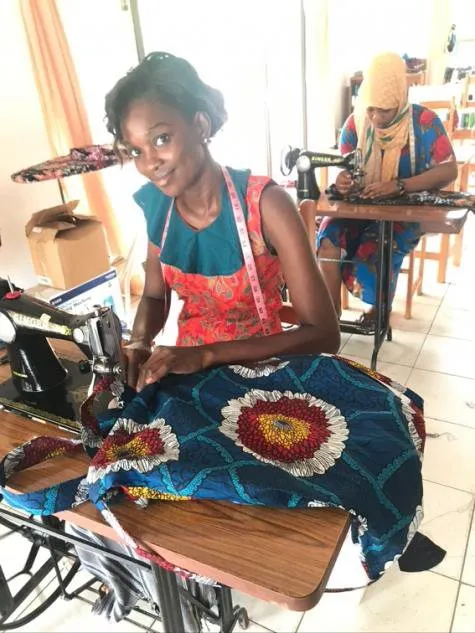
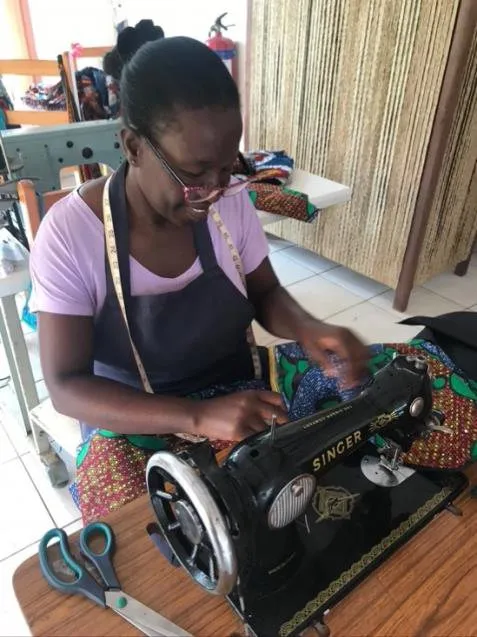
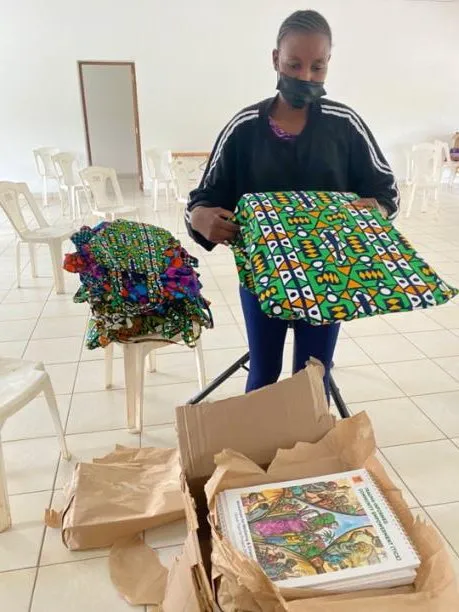
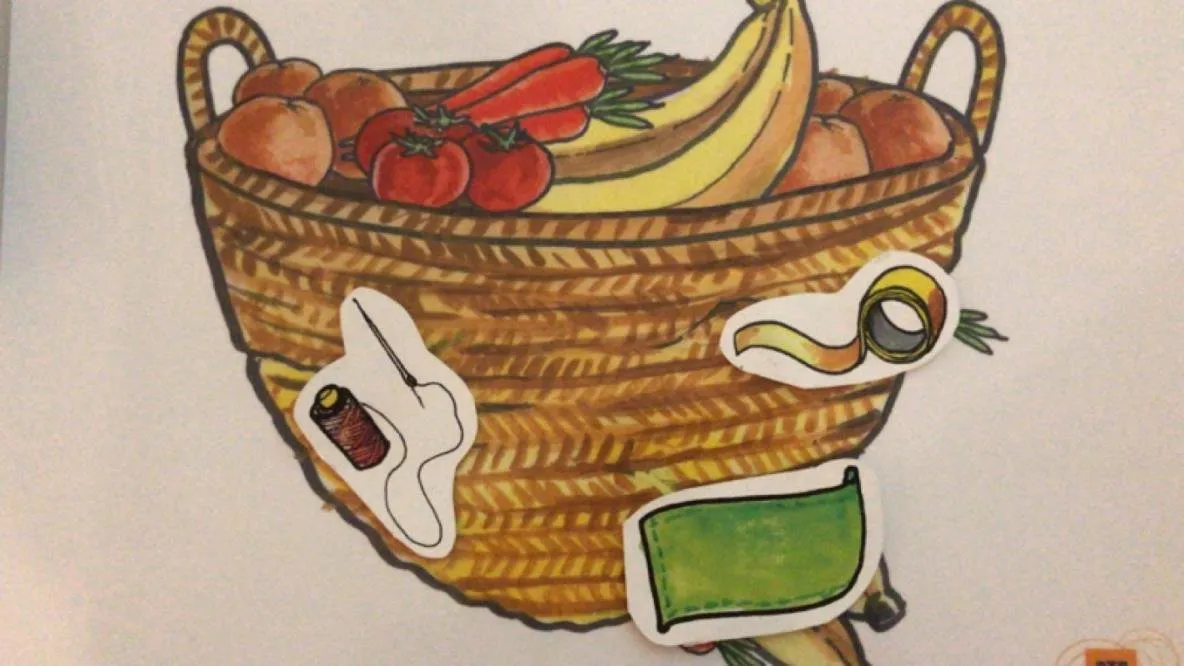
GTP carried out a door-to-door, mental health campaign in June/July 2020, visiting 608 households in Kwale and Likoni areas of Coastal Kenya to sensitize communities on partner/family violence, assess mental health needs, as well as collect data on the effects of COVID-19 on households. 91% of respondents’ report experiencing such high levels of psychosocial stress, that they needed additional support to cope. Out of the above metric, only 4.6% sought support from a counsellor/psychologist while the majority 29.4% sought support from parents. While 58% of community respondents said that they would actually go to a mental health provider for help, the majority reported no knowledge of such services in their community. 68% of the respondents reported having their relationships and friendships being affected (became more difficult) by COVID-19, while 77.3% had their children/parenting affected. 54.3% were not aware of any mental health care service providers. In GTP’s target locations, 53% of youth turn to parents or peers when facing significant psychosocial stressors that impact their mental health. However, these caregiver and peer “Champions” are typically under similar stressors themselves, and often do not possess adequate skills, training, and the support necessary to provide effective interventions to vulnerable and excluded youth. During the campaign, GTP was able to engage local female tailors, who made 1600 masks branded with cheerful and hopeful messages which were distributed to households during the assessment. In addition, GTP printed and distributed 770 covid-19 educational poster stickers with information and contacts in both Swahili & English.
1.4 Intentional design training
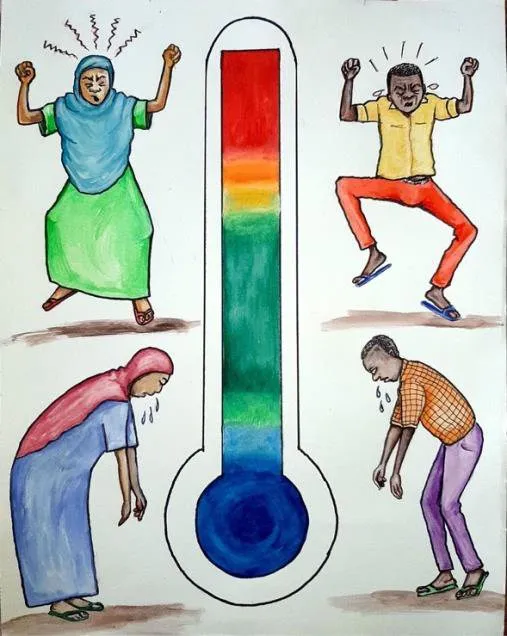
GTP conducted a 5-day virtue TICE training in June 2020 with 24 Community Champions on “Community Mapping and Intentional Design for Vulnerable Women & Girls, Gender-Based Violence and Mental Health,” “Trauma Informed Community Empowerment”, and “Reducing Stress, Self-Care, and Promoting Wellbeing”. This served as an introductory training to GTP trauma informed work and increased their capacity in reducing stress, self-care and promoting wellbeing in order to empower them and build their capacity for effective leadership and support in community activities. Topics covered during the training include: Introduction to stress and trauma that covered understanding the different types of trauma; impact of trauma and compounded stress; the survival brain and thinking brain; triggers and regulation; the thermometer and how different energy levels influences behavior, as well as factors that help build one’s resilience and coping skills for managing stress and trauma. A follow-up training was conducted that served to intentionally design the IPV project based on the results of the Girl Roster and Community Mapping exercise.
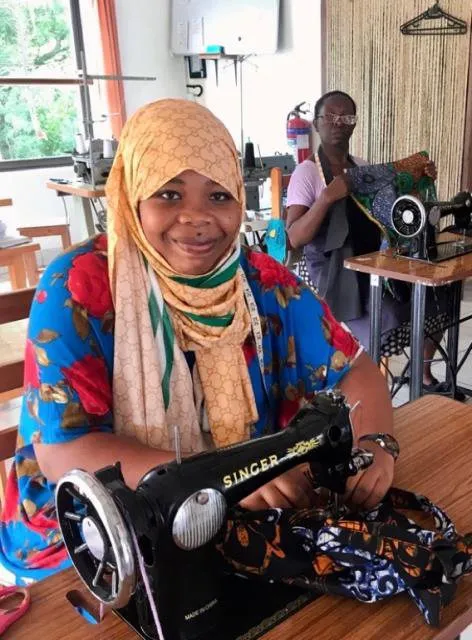
1.5 Angaza Collective and community stakeholder design sessions
GTP successfully managed to convene a community of practice, drawing together ‘like-minded’ grassroots, community-based organizations, as well as governmental institutions, to form the Angaza Collective, building resilience in communities with a focus on mental health and well-being. Angaza aims to address the impact of stress, crisis and adversity by engaging with local stakeholders, and working together to address common challenges.
Through these various community exercises, GTP staff were able to gain a better understanding of the relevance of IPV in coastal Kenya, the main drivers of IPV, and gaps in existing response structures & mechanisms, that were factored into the Nawiri project design. Although economic reasons and harmful gender & social norms were the most frequently cited drivers of IPV, these drivers exist within multiple vulnerabilities, and complex relationships that underpin IPV and Family Violence in target communities.
Concept of Intimate Partner Violence (IPV): IPV is viewed as a western construct and is not a term that local communities relate with in the Kenya coastal context. Stakeholders cited that the word ‘intimacy’ brings out the issue of choice, yet in most of the relationships where partner violence takes place there is no/ little choice and/or intimacy, such as in the context of forced marriages, child marriages, and where religious and cultural values take precedence. There are relationships that are not ‘intimate perse’ where people are with partners due to socio-economic, religious, cultural reasons among others. Therefore, viewing violence via an intimacy lens limits other kinds of violence that take place in relationships. In conclusion, IPV sounds very foreign to the stakeholders consulted; what is relevant in the local context are the terms: domestic violence, partner violence, or family violence.
Definition of an “Intimate Partner”: in the Kenyan coastal context includes different complex relationships ranging from polygamous relationships, monogamous relationships (husband and wife), dating (having a boyfriend/girlfriend), having multiple concurrent sexual partners, intergenerational relationships, being a mistress, nuclear family members, being given as a widow to husband’s brother, children left to be a “wife” to the father, relatives from the extended family, and in-laws. GTP therefore adapted the project design to suit the local understanding of the concept of IPV, considering who is termed as an “intimate partner” in the coastal context, hence the project was changed to a Partner/ Family Violence (PFV) project.
Partner/ Family Violence response systems: the number of comprehensive formal support and response services for survivors are limited, and awareness of such available services is low. Discussions with the Gender Desk Officer at Diani Police Station showed that most survivors of PV/FV usually withdraw reported cases due to fear of further violence and victimization. Most PV/FV cases are reported to local area chiefs, who at times employ informal ways of dealing with cases. Furthermore, some survivors do not return after reporting the cases, and cannot be traced as perpetrators pay off victims to drop cases. There are also financial barriers to services, such as victims being required to buy the P3 form that needs to be filled at the police station. The vast majority of professionals’ /duty bearers do not have the skills or knowledge and are not well equipped to deal with survivors of PV/FV. Consequently, service providers rarely provide the complete range of post-violence care services. Existing service delivery models largely serve physical, emergency rape or sexual assault needs, and overlook care for more longer-term psycho-social and emotional needs.
Drivers of Partner Violence (PV)/ Family Violence (FV) in Coastal Kenya
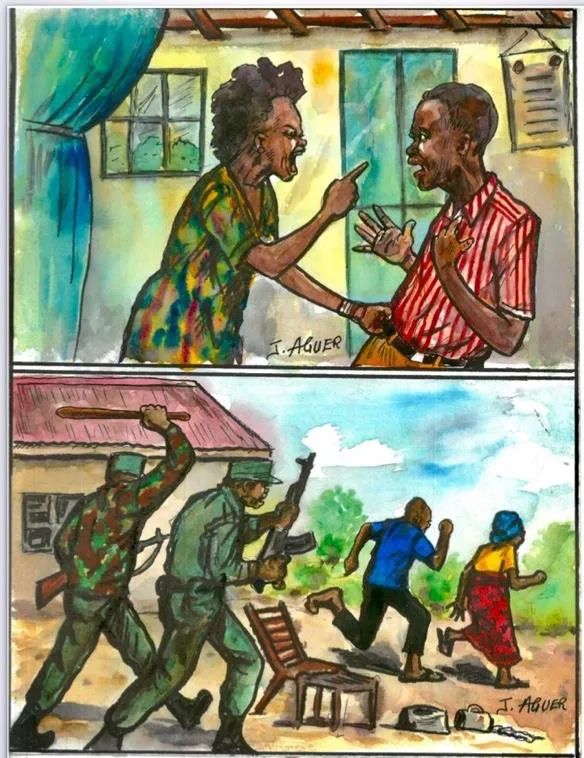
Harmful gender and social norms contribute to PV/FV. Power dynamics where men have power over women have contributed to PV/FV, with some men believing it’s okay for them to beat and discipline their wives. Perpetrators tend to blame other people, alcohol or circumstances for their violent outbursts. Domestic violence is often recognized as one way of disciplining one’s wife, and some religious leaders support this as a part of doctrine. In addition, PV/FV is considered a family matter not to be aired in public. Communities encourage PV/FV issues to be handled culturally which at times leads to perpetrators paying off the survivors’ family or the survivor being forced to get married to the perpetrator as a solution.
Traditional cultural practices are deeply ingrained in Kwale. The Digos and Dhurumas have a culture of communal living, with the majority of them sharing a house or compound with their mothers-in-law. Many women have come forward to disclose incidents of domestic abuse in very specific cultural ways. The majority of women are beaten and abused by their husbands, and also mothers-in-law, especially if the husband is absent. Others also report being physically/sexually abused by the father-in-law. According to stakeholder consultations, some examples of cultural influences related to PV/ FV in the target communities include:
- Dynamics in Polygamous relationships - when violence is meted on one of the wives either by the husband or by other wives. It is often reported that co-wives may fight each other over the husband.
- Religious teachings - Costal Kenya is pre-dominantly Muslim. Stakeholders shared that the Islam religion allows for husbands to discipline their wives. The extent of disciplining is not defined.
- Economic factors - Lack of income increases women’s vulnerability to violence, as they have to depend on their partners for support, which has led to women continuing to stay in abusive relationships. There are also many cases of young girls being in exploitative relationships, such as sex tourism.
- Stigma and Discrimination – stakeholders reported a great deal of stigma in the local costal cultural and religious contexts, related to “broken” marriages. This may be viewed that a woman is not able to keep her husband or keep her marriage, and she is seen as a failure or “not a good woman.” This stigma may make it difficult for many women to speak out when they experience violence, and not to report violence in a bid to keep the marriage. Women who have experienced violence are also often discriminated against, as they are blamed for causing the violence. In addition, speaking out against violence within the home is viewed poorly, as it is a private matter not to be shared or intervened in by others.
- Compounded stress – multiple compounding stressors can accumulate and lead to violence, such as low or unemployment, economic hardships, illness, lack of opportunities, external pressures and expectations from family and peers. One example given was that the more wealth and status one accumulates, the more jealousy and animosity there is from others. Some stakeholders discussed not building their home in the Coastal area, due to not wanting others to know they may have a house, as this could bring additional stress, resentments and hostility towards the family.
- Drugs and substance abuse - drug and alcohol abuse is quite common in the target communities, and violence often results out of an intoxicated state. Partners may also commit acts of violence in order to support their drug habit/ addiction.
“I was traumatized at a young age by seeing my parents abusing drugs during my childhood. This made me also practice drug abuse, as it was the main coping skill I saw. But I have stopped abusing drugs now after going through these sessions, and realized that I have to make my own choices in life, and practice different ways to handle my problems.”
- COVID-19 has increased the risk of PV/FV. Ongoing and inconsistent restrictions imposed in response to the pandemic have made it harder for survivors to report abuse and seek help, and for service providers to respond efficiently.
- Technology - social media has contributed to PV/FV, as violence has become increasingly normalized, with perpetrators often getting away with crimes.
- High illiteracy levels among the Coastal setting fuel PV/FV, as survivors are not aware of their rights, or where to seek for help and/or services.
- Widowhood - Widows experience violence from their in-laws, including being chased away from their matrimonial homes or being disinherited of any property left behind by the husband.
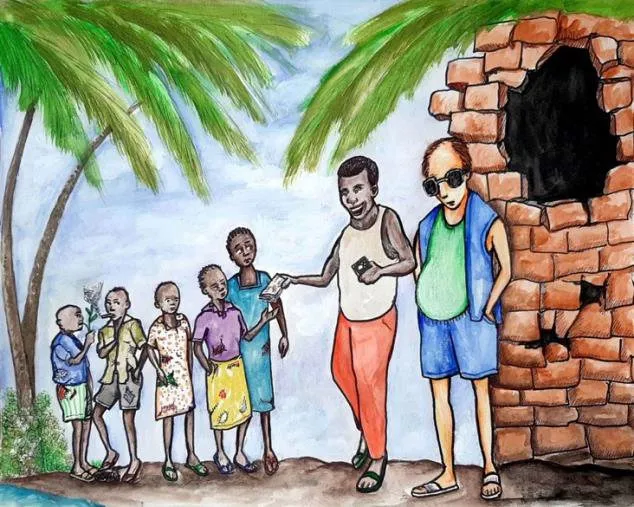

Forms of PV/FV: Various forms of PV/ FV were discussed among stakeholders, with some highlighted below.
- Multiple concurrent relationships. There are girls and women who have multiple sexual partners hence violence could be taking place with either one or many of the partners. The violence could also take different forms depending on the partner. In this context, for people in such relationships, they consider themselves to be single even though they are in relationships with multiple people.
- Cohabiting relationships. Couples who are cohabiting do not consider themselves to be in an official relationship, hence there is increased violence in such relationships, as partners feel they do not have to take responsibility for the violence. Also noted is that cohabitating individuals often identify themselves as “single,” as they are not married.
- Domestic Violence between husband and wife.
- Incest between fathers/ step-fathers and their daughters, and also at times between step-mothers and sons. It was also reported that there are situations when incest is reported that the mother will threaten to leave the daughter to become the “wife” to the husband.
- Polygamous marriages where one wife is favored over another by the husband, and the other one discriminated. Also, violence occurs between the wives themselves.
- Extended family members. Due to the traditional culture, once married, many live in the homestead of the husband with the mother-in-law. Mother-in-laws are known to incite the son to commit violence towards the wife, or the mother-in-law commits violence on her daughter-in-law. In other cases, fathers-in-law abuse their daughters in law.
- Commercial sexual exploitation, and sex tourism in particular, where under-age girls are commercially sex trafficked.
- Sex trafficking is rampant, as Kwale borders Tanzania, with young girls being trafficked from Kenya to Tanzania and vice versa.
- Motorbike (‘bodaboda’) riders as one of the key drivers of IPV/DV as they are seen to have liquid cash, and transport is need for everyday life, such as getting to school.
- Sexual assault/violence by teachers in schools is often unreported, and used as a threat for grades or when school fees are late.
1.6 Nawiri Boma Fellowship
Stakeholder consultations identified further gaps around training and learning for community service providers. Though trusted Gender-Based Violence (GBV) champions and Community Health Volunteers (CHVs) in the community are capable to delivering services, these individuals do not have the training, skills, or support necessary to provide effective services, and are themselves at risk of vicarious/secondary trauma due to ongoing stressors and lack of resources and support. GTP focused on provider support, equipping GBV champions/CHVs with the skills, support, and training necessary to effectively implement trauma-informed sessions with youth affected by PV/FV. GTP also placed much emphasis on the psychological well-being of the community service providers, where training and mentorship is not only used for the benefit of the youth attending the safe spaces, but also to increase the quality of life of those providing the services. This gave birth to the ‘Nawiri Boma Fellowship.’ ‘Nawiri Boma’ are two Swahili phrases that mean flourishing families.
Nawiri Boma is a Fellowship program supported by Global Trauma Project (GTP) that aimed to promote and strengthen the capacity of community change-makers in Kwale and Mombasa counties to break the cycle of Partner and Family Violence. The program was designed as a certification program for fellows, requiring them to attend at least 95% of the classroom trainings (14 days), as well as conduct field work in the form of a 10-week series of community workshops and weekly mentoring sessions. Candidates spent 4 months part-time implementing the fellowship program in their respective communities.
1.7 Geographic location
Based on stakeholder reports received on PV/FV and current trends on the ground; GTP mapped out the current PV/FV hotspots in Mombasa and Kwale counties. Mapping hot spots was critical, as it showed the areas where GTP needed to allocate resources and invest more to fight and prevent PV/FV. Based on the mapping, GTP implemented the Nawiri project in 3 geographic wards, Kinondo and Ukunda wards in Kwale County and Timbwani ward in Mombasa County.
- Ukunda Ward is rural, has a population of 35,898 people and hosts Kosovo slum which has very high cases of PV/FV.
- Kinondo Ward is rural, has a population of 22,633 people and hosts Makongeni slum area with high cases of PV/FV.
- Timbwani Ward is peri-urban, has a high population of 114,520 people most of whom are immigrant looking for work. The Ward also has a rampant drug and substance abuse problem that has exacerbated PV/FV cases.
Table 1 shows domestic violence statistics for the month of May 2021 shared by the gender advocate, Kwale Hospital. The following cases were identified in the following PV/FV hotspot areas in Kinondo and Ukunda wards from Kwale Hospital. The gender advocate stated that most cases are not reported, and kept within the family.
| Village | Cases reported | Cases solved at home |
|---|---|---|
| Kosovo | 14 | 6 |
| Makongeni | 9 | — |
| Maweni | 9 | 1 |
| Gombato | 6 | — |
| Migingo | 6 | — |
1.8 Target population
PV/FV is an underlying issue affecting both women and men. Incidents often go unreported and unresolved as stigma prevents proper and timely reporting especially among men. GTP targeted to reach 400 youth who have been affected by PV/FV aged 18 years and above at a ratio of 60% (240) Female and 40% (160) Male. To address harmful gender, social norms, traditional and cultural practices that perpetuate PV/FV, GTP targeted both survivors and perpetrators of violence in the program. The project targeted to reach 150 youth in Ukunda Ward, 100 youth in Kinondo Ward and 150 youth in Timbwani ward.
| County | Ward | Target |
|---|---|---|
| Mombasa | Timbwani | 150 |
| Kwale | Ukunda | 100 |
| Kwale | Kinondo | 150 |
| Total | 400 |
1.9 TICE contextualization
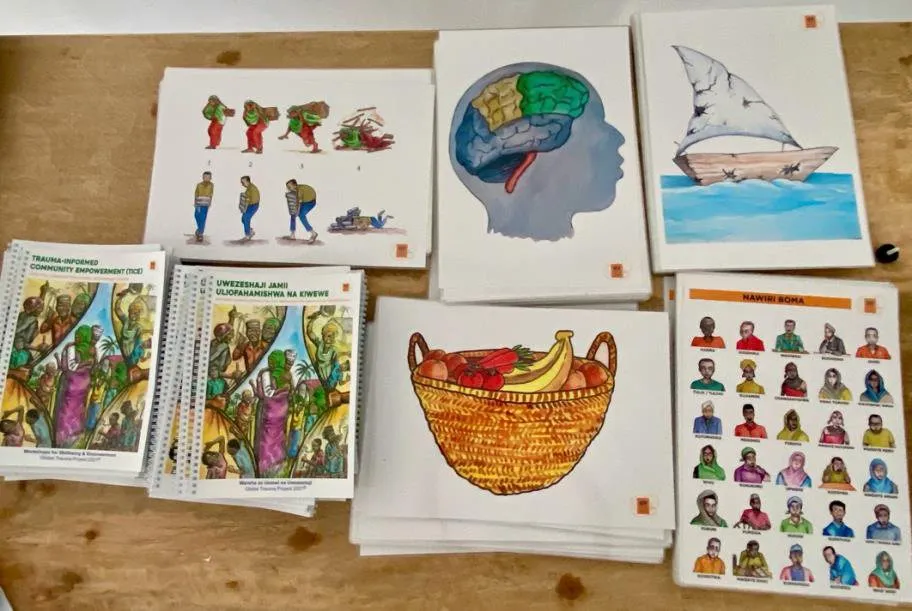
While the TICE framework remains consistent, the framework is contextualized to specific cultures/ environments to ensure that the concepts are relevant and can be deeply internalized and utilized by local providers. This ensures providers are able to craft effective local responses based on their specific needs, contexts, and capacity. GTP contextualized the TICE model based on feedback from stakeholder consultative meetings, the Girl Roster Exercise, community mapping, a door-to-door Mental Health and Community Campaign, and secondary data from the Ministry of Health. GTP adapted the TICE framework to suit the coastal context taking Intimate Partner Violence (IPV) issues into consideration by understanding issues, gaps and challenges related to IPV. GTP was able to contextualize the design, training content, and materials to suit the Costal Kenyan context and the thematic area of Partner/Family Violence.
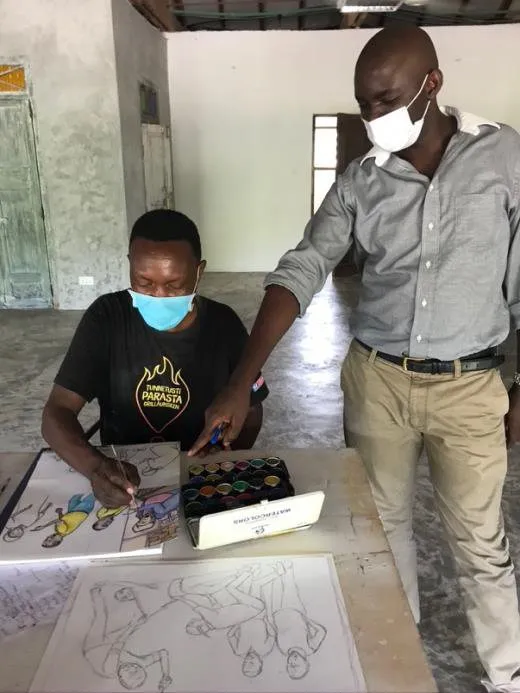
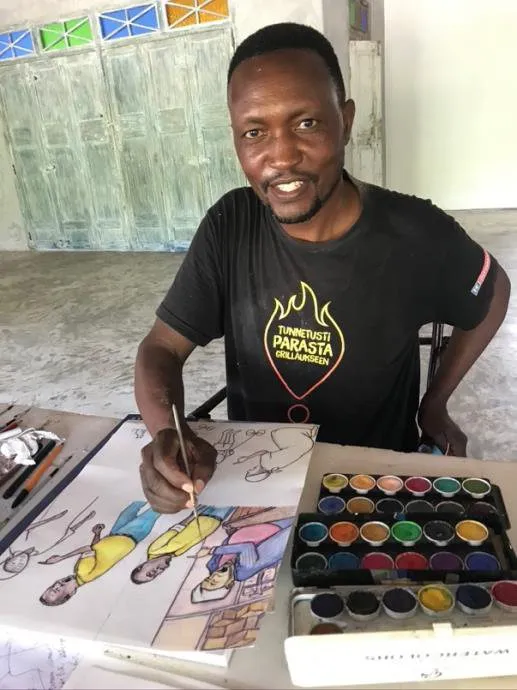
1.10 TICE sessions
Through this adaptation process, GTP developed contextualized workshop guidebooks covering TICE community workshop sessions 1-10. Below is a summary of the 10 sessions developed for the Nawiri project:
- 1
Welcome & Overview
The purpose of this session is to build group rapport, making participants feel welcomed, safe within, and connected to the group. It gives participants an opportunity to reflect upon and express how they are impacted by stress, trauma, and adversity. Roles, responsibilities and group guidelines are discussed in this session.
- 2
Personal Wellbeing Assessments
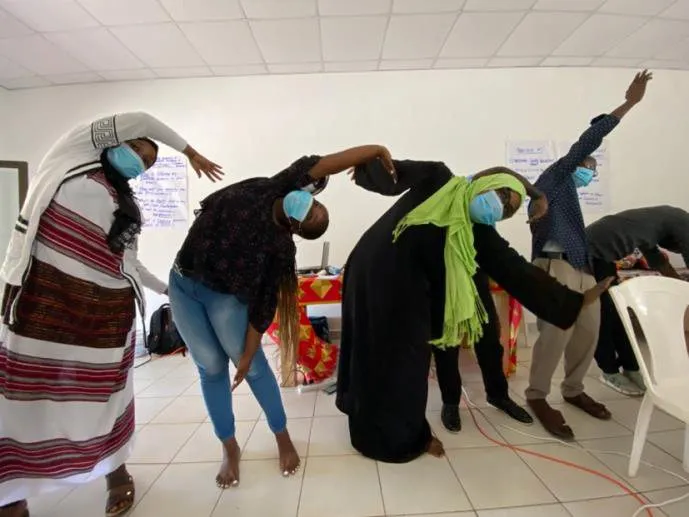
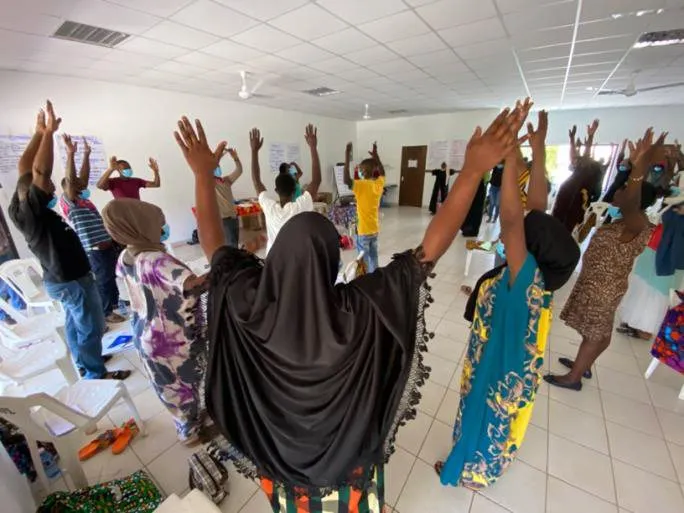
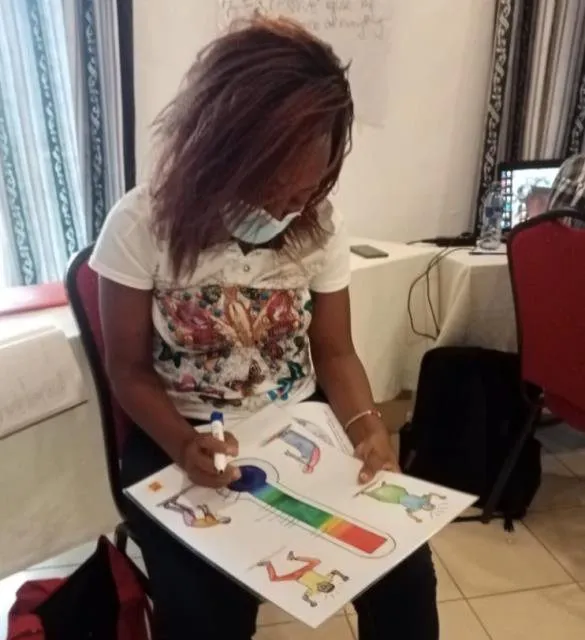
This session is for administering Personal Well-being Assessments and Heart-Rate Variability Assessments which provide baseline pre-assessment results for participants (See Annex 1). GTP intentionally placed the standardized assessments in this session, as trust had to be built first. The session introduces participants to an inner reflection process of “checking-in” to identify, understand, and explore their own well-being including health, behavior, values, and attitudes. All assessments and activities are voluntary with no negative repercussions for not participating.
- 3
Introduction to Wellbeing
The objective of this session is to enable participants to recognize impacts of stress and trauma. It covers the 3 areas that impact wellbeing (stress, biology, trauma), as well as the various types of trauma that can result occur as a result of PV/FV. The focus on self-care and self-healing in this session ensures that participants attend to their own well-being, and by applying the TICE concepts to their own lives, are then better able to support others.
- 4
Brain Under Stress
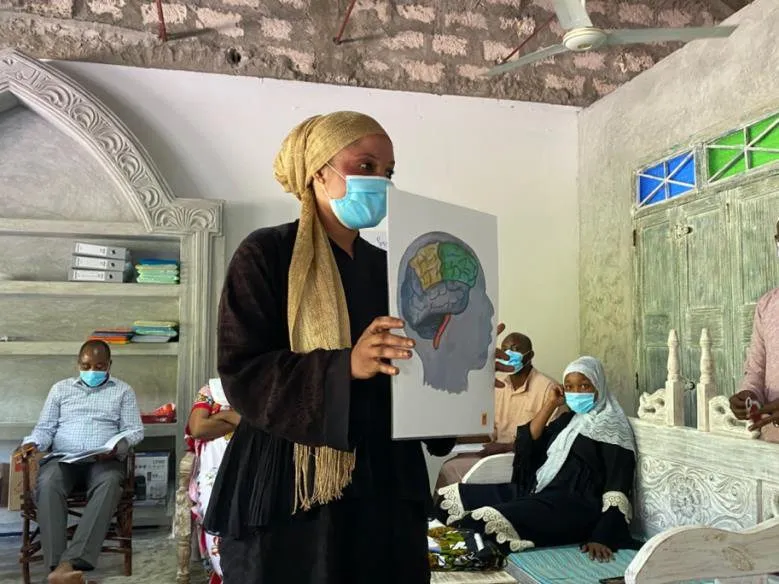
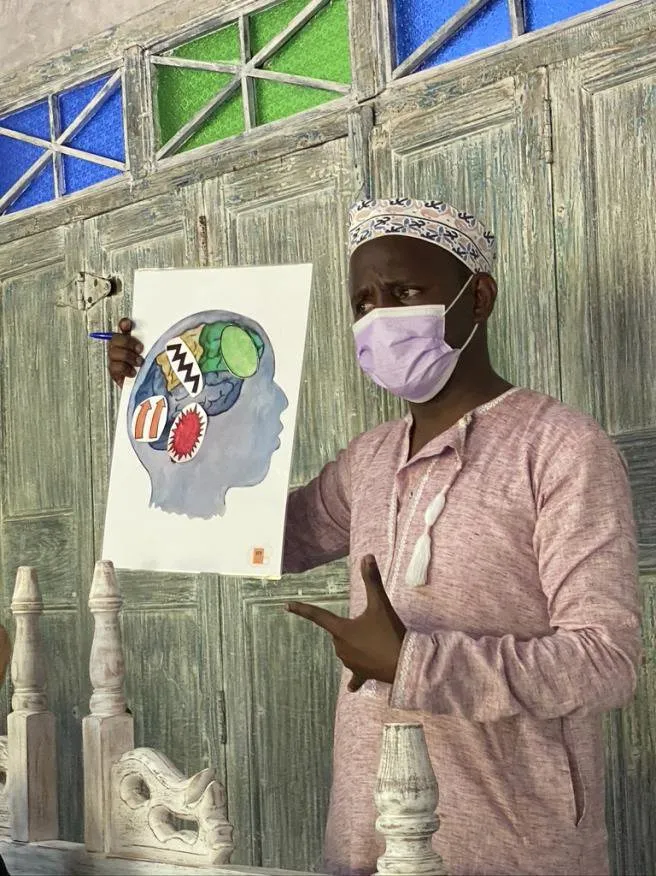
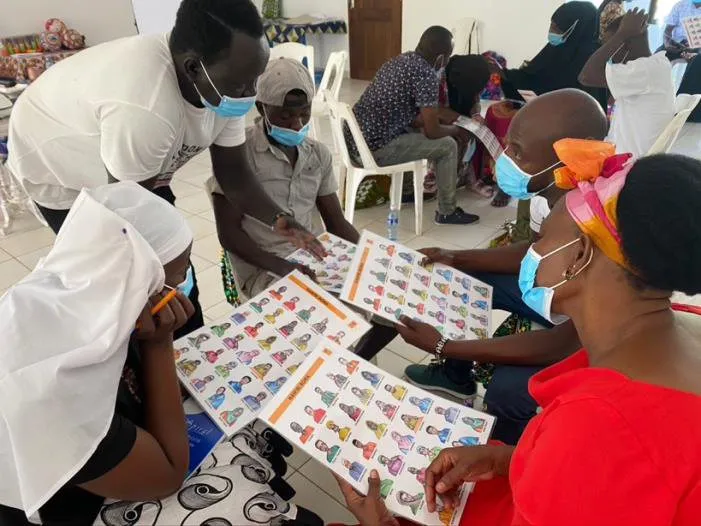
The purpose of this session is to increase participants’ awareness and understanding of how our brains are impacted by stress and trauma. Using an interactive brain poster, GTP trainers introduce the concept and relationship between, the ‘survival brain’ and ‘thinking brain’. The session also utilizes the ‘regulation thermometer’ to enable participants note their energy levels.
- 5
Resilience
This session focuses on resilience, specifically protective factors and risk factors. Participants identify coping skills and strategies at both individual and community level. They also explore their talents, skills, interests, and resources they have for building resilience. In identifying their strengths and qualities, they are able to develop an understanding of how to move forward despite having experienced compounded stress and multiple hardships as a result of PV/FV.
- 6
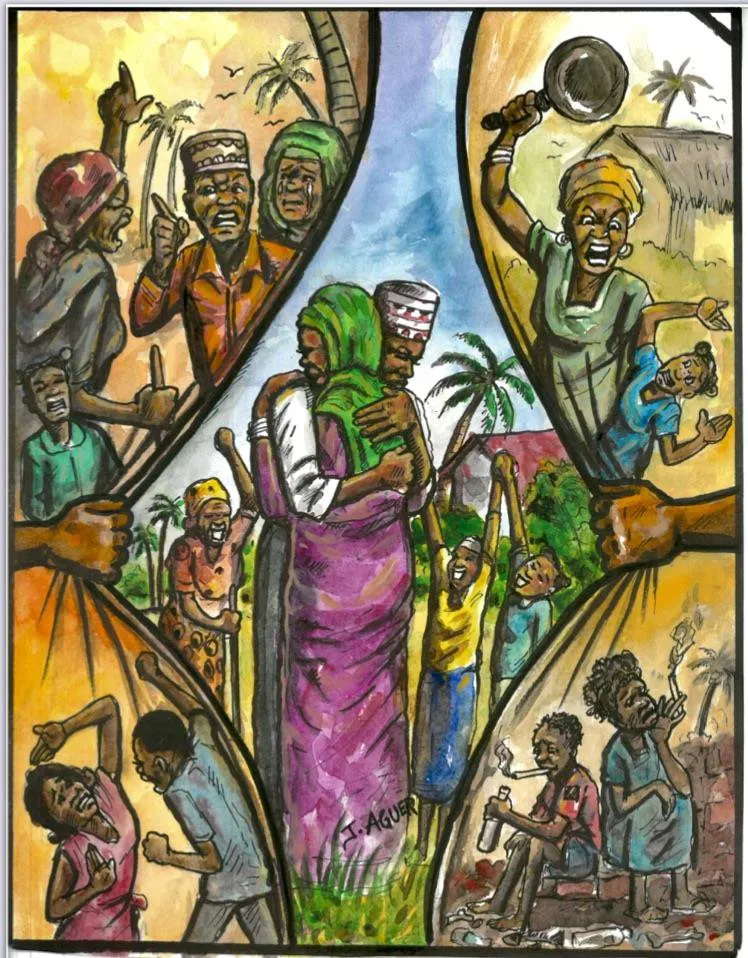
Simba House Story Part 1
This session used the concept of “Parts of Self” to explore issues of PV/FV. The session uses the story of a wise old couple who intervene and advise a young couple. The story takes participants through a process of self-discovery and personal awareness by bringing out various aspects of partner/family violence, and self-identity using metaphoric story telling. GTP used an innovative way where the story was narrated and recorded for participants to listen during the session (see Annex 2 for link to the narration of the story).
- 7
Simba House Story Part 2
This session is a build-up of session six focusing on making participants more compassionate towards self and be able to take care of their needs in a positive and healthy way. participants are taken through the journey of life of the wise old couple.
- 8
Personal Journey of Life
The objective of this session is to increase understanding of how individuals and communities get stuck in cycles of victimization & violence and how to change such situations in positive ways. Participants also engage in mapping out their own journeys of life, which helps them to reflect deeper and have compassion and affection for themselves through connecting with the different parts of self, emotions, and recognizing how emotions affect behavior.
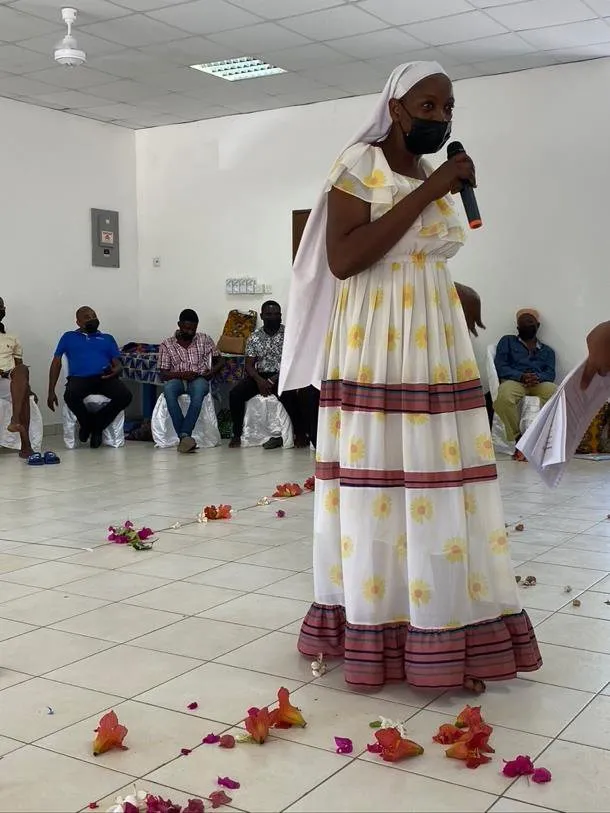
“Despite the many stones in my journey of life, I am going to work hard so that I fill my life with flowers and I will also do this activity with my children at home.”
- 9
Post-Traumatic Growth and Joy
The purpose of this session is to enable participants to recognize, support, and spark post-traumatic growth. Activities focus on clarifying personal life vision as well as cultivating & embodying joy. The session utilizes an activity where participants define and identify whether they are surviving, living or thriving and another activity for ‘visioning for the future.’ Participants identify their 1 year vision, what is blocking them from achieving it, and how to unblock the barriers and steps forward.
- 10
Wellbeing Assessments
This session prepares Fellows to conduct personal wellbeing post assessments at the end of the Community workshop sessions. Participants again have an opportunity to “check in” to identify, understand, and explore their own well-being including health, behavior, values, and attitudes after going through the community workshop sessions. Participants undertake the same assessments they undertook in TICE Session 2 to notice if they have changed and how they have changed. These include the written Wellbeing Assessments and the Heart Rate Variability Assessment.
Teach-back sessions
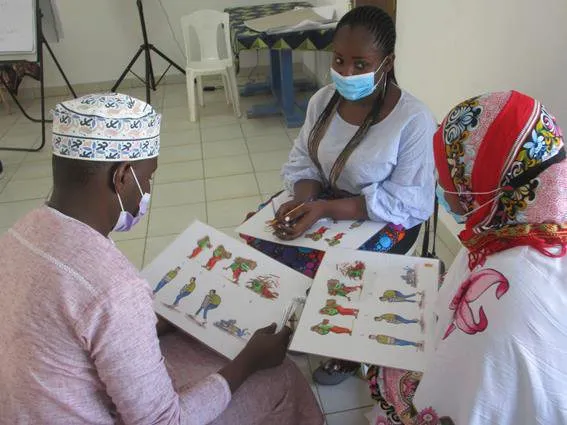
The focus of the TICE sessions is to ensure that Fellows are properly trained as facilitators, able to effectively implement the 10-week Community workshop series. After learning the content, and experiencing the process, participants demonstrate their abilities by teaching back the content they have been trained on, this helps to ground the TICE concepts and enable Fellows to practice their training facilitation skills using participatory training techniques. They also receive feedback on their training facilitation, knowledge of TICE content, and team work from lead facilitators and other participants.
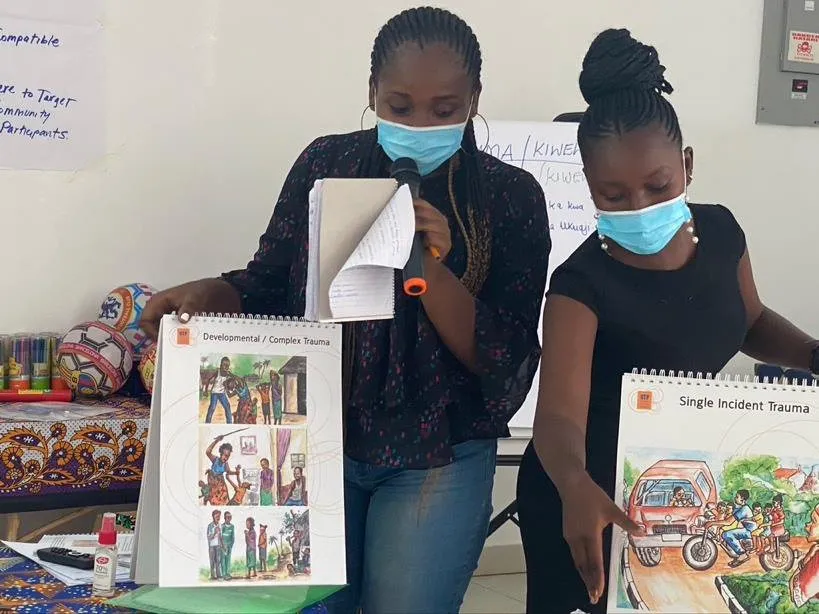
Fellows trained and mentored
Outcome 2: 24 participants impacted by intimate partner/ sexual/ gender-based violence, will be trained & mentored as Community Facilitators, offering trauma-informed support to at-risk community members.
2.1 Recruitment of Team Leaders
GTP recruited 3 Team Leaders who were each assigned to one of the three wards. The role of Team Leaders was to work with a team of assigned fellows to effectively plan for implementation of the TICE Community Workshops, supervise assigned fellows, and submit weekly support supervision reports. They provided assistance and support in facilitation of community workshops in cases where a fellow is not available. In addition, they collected the Heart Rate Variability data and provided technical support on collection of Personal Wellbeing Assessments data.
2.2 Fellows selection
GTP developed a fellowship advert detailing the selection criteria and benefits of the fellowship in form of a poster which was distributed in key strategic places in the community such as community social halls, health facilities, area chief’s offices, churches and mosques. Applications were submitted using a google form. For those without access to a smart phone, applicants filled a hard copy of the form and submitted it to the GTP office. GTP received a total of 210 applications, out of which 50 were shortlisted and interviewed. Out of this process, 30 applicants were selected for the Nawiri Fellowship (18 F, 12 M) and were distributed as follows: Ukunda Ward-10 Fellows (4M,6F), Kinondo Ward- 8 fellows (4M 4F), Timbwani Ward - 12 fellows (4M, 8F).
GTP focused on selecting fellows who were trusted by community members, had some experience engaging with the topics of family violence/ SGBV, and/or were already “go to” people for PV/FV issues in the community. During stakeholder consultations, it came out that community members felt most comfortable reporting cases to Community Health Volunteers (CHVs), who then refer them appropriately for services and give them some form of counselling. GTP worked with the Ministry of Health to ensure CHVs were sensitized and aware of the Nawiri program, and those who were interested applied for the Fellowship. In this regard, a total of 14 of the Fellows were Community Health Volunteers under the Ministry of Health, who are among those who applied, interviewed, and met the criteria for the fellowship program.
Nawiri Fellows selection criteria
- A resident of either Ukunda, Kinondo or Timbwani Wards
- Above the age of 21 years and can read and write
- Have experience providing support on: sexual/ gender-based violence, gender issues, family violence, mental health
- Can speak Swahili and the local language
- Good understanding of the local culture, traditions and social norms
- Have leadership qualities and ability to persuade others
- Available to attend all trainings and community workshops/dialogue forums
- Passionate and highly trusted in their communities
- Demonstrate good leadership skills among their peers and community
- Available from August to December (part time)
2.3 Fellows TICE training
GTP Fellows training was designed as a certification program that included classroom training, field work, and weekly mentorship. Fellows were required them to attend 95% of the training sessions, as well as conduct a 10-week series of community workshops. The objective was to train Fellows on training content, skills, and processes necessary to successfully establish safe spaces and facilitate community workshop sessions. GTP conducted the Fellows training in two parts: the first 8 days during September 2021, and the second 6 days in November 2021. A total of 30 Fellows were identified, and offered a scholarship to participate in the program.
Fellows were taken through a very experiential and hands-on training of TICE sessions 1 to 10. They had an opportunity to teach back the sessions to practice their facilitation skills, confirm content comprehension, and to practice both giving and receiving feedback. In addition, Fellows were trained on establishment of safe spaces, group management, and on how to facilitate referrals including the relevant M&E tools. Fellows established safe spaces and facilitated the first 5 community workshops after going through TICE Part 1 training. They then facilitated the remaining 5 sessions of the community workshops after the second TICE training.
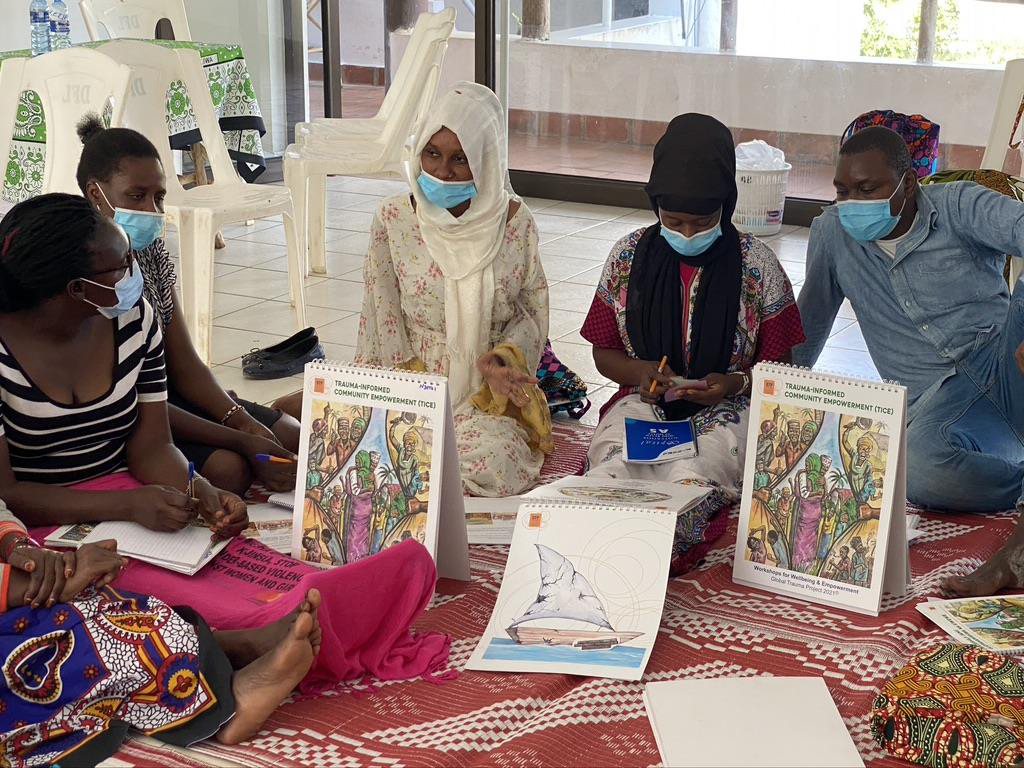
2.4 Fellows certification & graduation
GTP collaborated with the Ministry of Health, Kwale County as a major stakeholder in the Nawiri project Fellows certification. GTP engaged public health officers who reviewed the TICE curriculum and the fellowship program and approved both of them for implementation hence they were also willing to do the certification of the same. GTP also provided slots for 3 Public health officials to attend the fellowship training for buy-in and ownership of the project. In this regard, the Ministry of Health sent 3 officials during TICE Part 1 Training to open the workshop and also sent 2 officials during the close-out and graduation of Fellows to close the workshops. The Ministry of Health certified the fellows once they had completed the fellowship program. This means they signed and stamped the certificates and now recognize the cohort of 30 Fellows as community resource persons under the department of mental health.
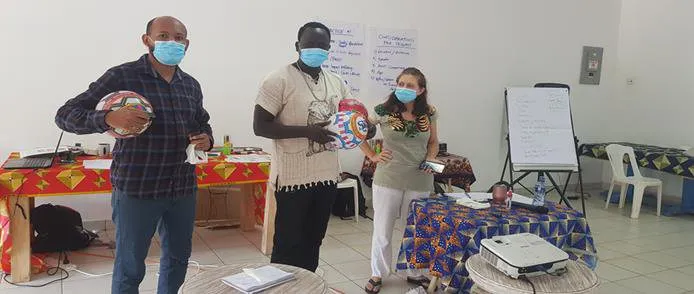
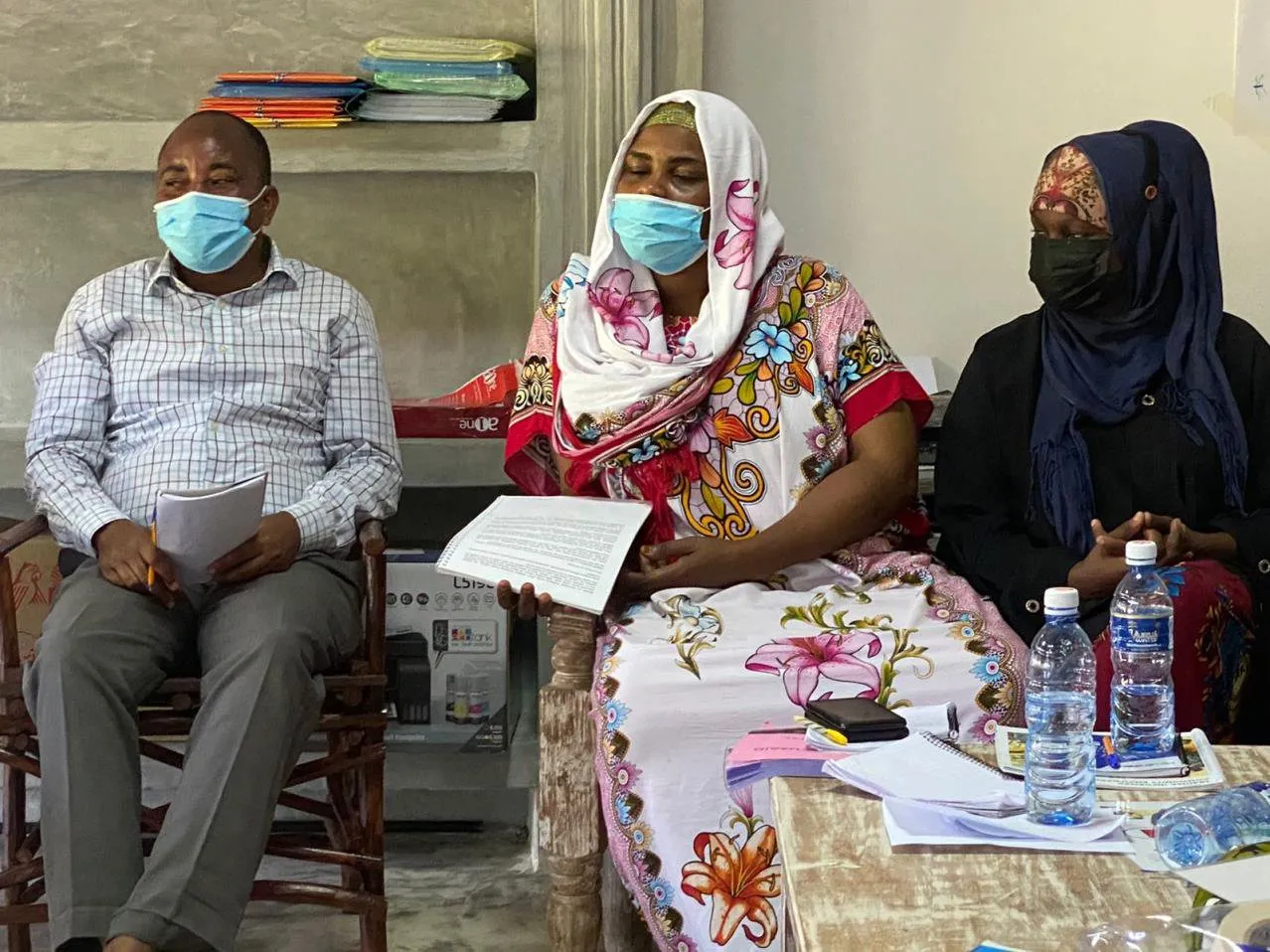
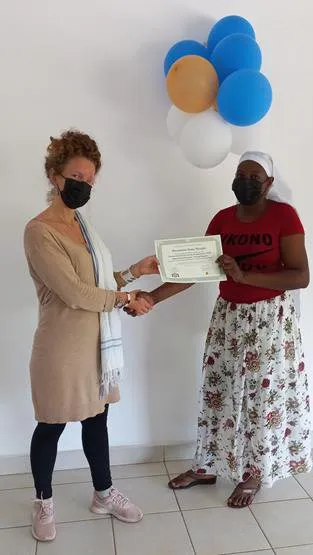
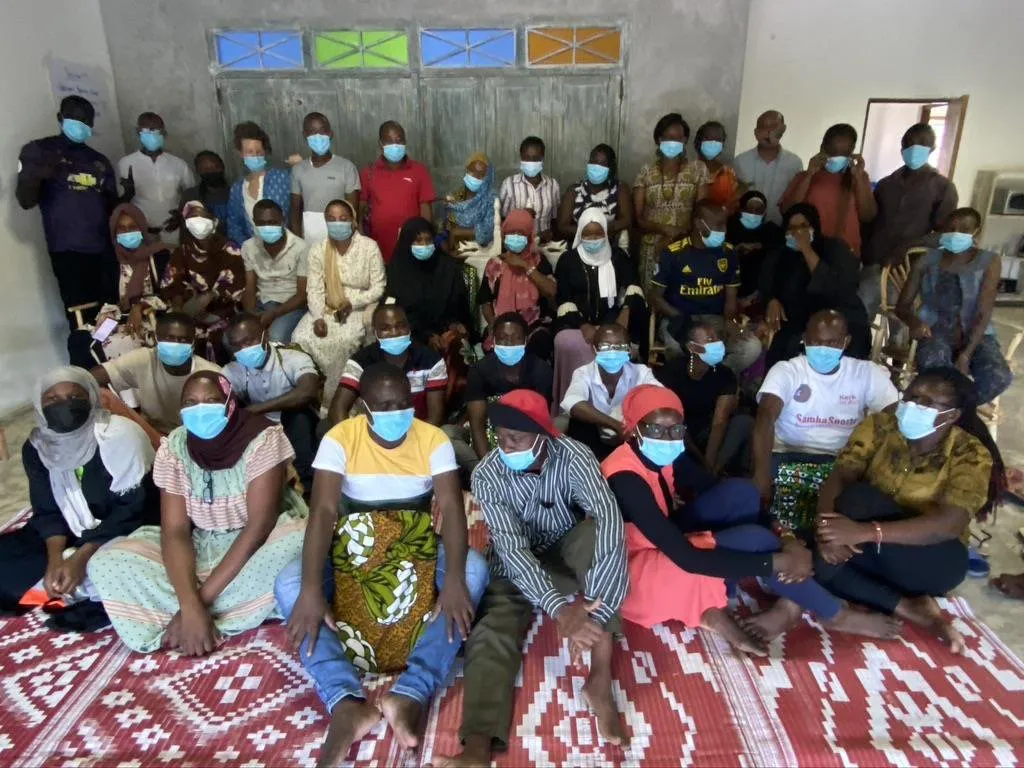
GTP held a graduation ceremony for all the 30 fellows and 3 Team Leaders on December 17, 2021. This was to celebrate Fellows’ graduation from the certification program and completion of the 10 community workshop sessions. The graduation ceremony was attended by GTP staff, Team Leaders, Fellows, participants’ representatives. Ministry of Health officials were invited as key guests to the event. Fellows and participants shared their experiences and learnings throughout the program. Fellows were issued with certificates and they commemorated by cutting a cake.
2.5 Weekly mentorship sessions
GTP Program Coordinator and Team Leaders held weekly, in-person mentorship sessions with Fellows in each of the three wards. 30 support supervision and mentorship meetings were conducted across the three wards (Timbwani, Ukunda and Kinondo) in total. These supervision meetings were intended to give additional support and mentorship to the Fellows throughout their community sessions. Each meeting consisted of the Fellows going through the topics for the week with the supervisor, clarifying the content prior to the sessions to ensure successful delivery of the workshops. Fellows showed commitment and eagerness to know more about TICE concepts. The meetings became an interactive forum for Fellows to meet, share their experiences, challenges and any emerging issues that need to be addressed from the Community workshops. GTP staff noted improved mastery of content and internalization of the TICE concept by the fellows, increased level of confidence among the fellows, trust building among the fellows, and adequate delivery of content during the community workshop sessions.
Community knowledge of trauma and violence
Outcome 3: Increase knowledge amongst community members regarding the effects of trauma, its relationship to violence and aggression, and skills for coping and self-healing through TICE training program.
3.1 Nawiri impact assessment report
GTP worked with our evaluation partner, New School for Social Research, on assessing changes and impacts of the program. Results showed increased knowledge among community members regarding the effects of trauma and its relationship to violence and aggression as follows:
Aggression
90% of participants reported that Nawiri helped them become less aggressive towards their spouse or partner, while 91% reported less aggression in the home since participating in the Nawiri program. There was an 11% decrease in overall participants reporting committing acts of aggression in the past 1 month, reported 26% decrease in anger and acts of verbal aggression among males, and reported 26% decrease in males who reported acting aggressively 4 or more times in the past 1 week. Female participants reported a 40% reduction in becoming easily angered from the start to end of the Nawiri program.
“Before I joined the session I used to be like the elderly lady in the story. I used to provide everything in the house since my husband was not working. I used to hate him and see him as a burden. I was the hyena. I was verbally abusing my husband and I didn’t care. Now I know I can be a lion and am changing to be one. I am happy about the training and I wish it can continue.”

“My children and neighbors say that my attitude has changed so much, as I was not able to control my anger and would yell all the time, so right now my family has more laughter and joy, and now I use my thinking brain to reason with them”.
Harmful gender norms and beliefs that promote IPV
Among all participants there was a significant increase of 6% in overall gender equality. There was a 70% increase among women and a 104% increase among men in agreeing that a man should stop another man from beating a woman. Participants also displayed an increase in economic gender equality beliefs, such that there was a 61% increase in men and an 81% increase among women agreeing that it is ok for a woman to make more money than a man.
“I used to see my wife as a curse, but since talking to others in the group and hearing others’ life stories, I have stopped having feelings of hatred towards her.”
“I grew up knowing women belong in the kitchen, and I treated my wife without thinking of her as an emotional being. I have learnt women also have feelings and they get hurt. I am more compassionate with my wife.”
Reporting of Partner/ Family Violence (PFV)
Data indicates that over the course of the program, participants increased their reporting of experiences with violence. At end line, reports of the number of incidences of PFV by women increased by 25%. This increase in reporting among women likely reflects their increased willingness to disclose information regarding PFV. We attribute this increase to a reduction in stigma and under-reporting of this sensitive topic, and as well as increased trust and safety. For comparison, the Kenyan national average is 41% reporting on IPV (Kenya National Health Survey, 2014).
“My problems come when I am menstruating. My husband leaves me for that time and says abusive words to me. He tells me that I can’t give him a child every time I am on my period.”
“I had a lot of pain and anger because of being battered by my husband for many years. Even after I left him with my children, I had a lot of anger and pain. These sessions have helped me to deal with my pain and anger. I have healed from that emotional wound.”
Safe spaces for youth
Outcome 4: Create safe spaces for 400 youth impacted by IPV and domestic violence, promotion of mental health and human rights, as well as referral/ access routes for excluded youth and females.
4.1 Participant recruitment
The program applied intentional recruitment of those affected by partner/family violence. GTP developed a community outreach form and participants’ selection criteria informed by stakeholder feedback, for identifying and recruiting participants. Fellows mobilized participants within their localities who are affected PV/FV. What worked well is that the Fellows were already the go to people for issues of PV/FV in the community, hence they utilized existing networks, community structures and resource persons in recruitment of participants due to the nature of PV/FV that leads to fear and stigma among the affected people. They engaged gender champions, other community health volunteers, children’s officers, gender champions, community leaders such as area chiefs, religious leaders, women & youth leaders including civil society organizations for referrals on the same. A total of 407 participants were recruited for the Nawiri Project to participate in the series of 10 community workshops. Out of the 407 participants, the program experienced an attrition of 21 Participants with 386 participants completing all 10 sessions of the program.
Participants’ selection criteria
- Must be community members living in the 3 wards
- Must be 18 years and above
- Person affected by Partner/ Family Violence
- Person feels they need/ want additional support with life stressors
4.2 Establishment of 60 safe spaces
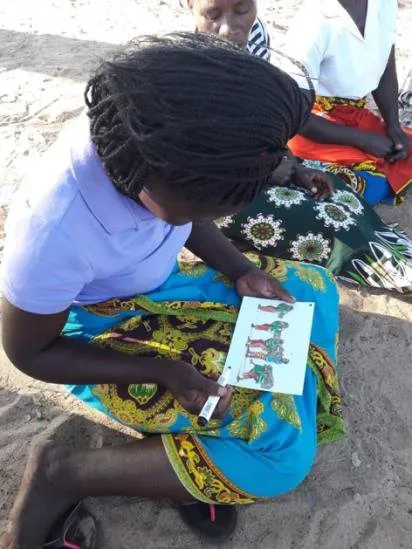
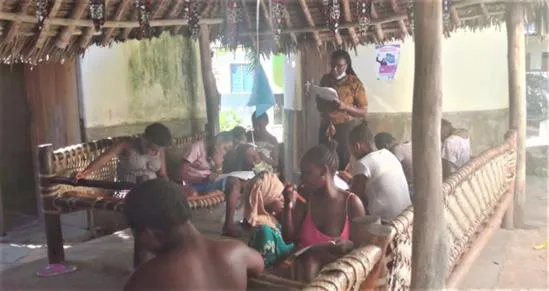
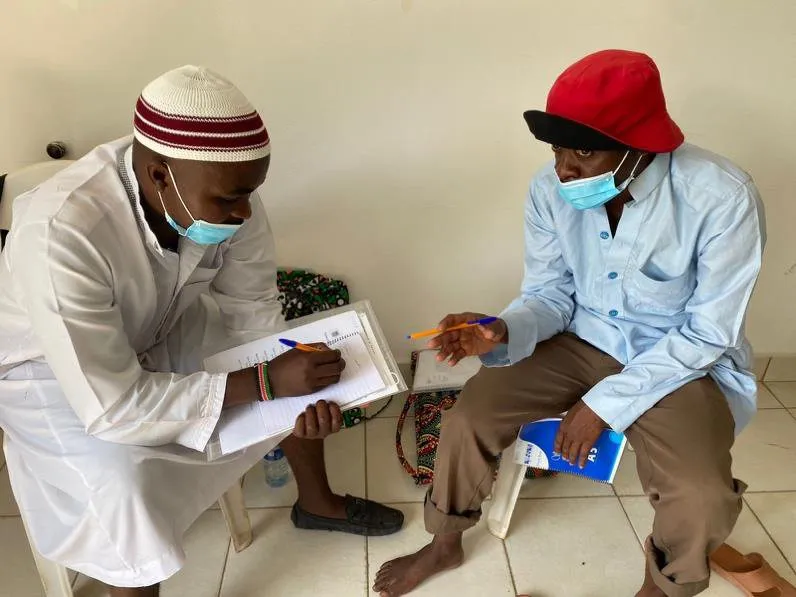
GTP supported fellows to establish and run gender specific safe spaces. These gender specific safe spaces, provided for weekly facilitation of TICE community workshops. Each safe space was comprised of approximately 12 to 15 participants, who met on a weekly basis, at a designated time and location of their choice for 2.5 hours, supported by a team of two Fellows. The 30 Fellows were paired up in teams, making up 15 teams based on locations. In total, the program established a total of 60 safe spaces in the 3 wards (24 in Timbwani, 20 in Kinondo, 16 in Ukunda). 16 were female only groups, 11 male groups and 1 was a mixed group. Special groups recruited that are worth noting as are follows: we had one group of teen mothers age 13 to 17 years living in a rescue shelter, a group of male police officers, and one group of people living with disability.
4.3 Community workshop sessions
Nawiri Fellows successfully established 60 Safe Space, where over 400 participants came together over the course of 10 weeks, to attend weekly TICE community workshop sessions. These sessions enabled participants to form friendships and supportive relationships within groups, which has created trust, a sense of belonging, and a longer lasting support system. The sessions enabled participants to build social networks, relationships of trust, group membership and to have access to wider institutions of society through referrals and linkages to existing resources. Fellows facilitated trauma healing community workshops with identified participants using the Trauma-Informed Community Empowerment (TICE) workshop guides, posters and materials. Team Leaders attended the community workshops to provide the necessary technical support, guidance and support supervision to Fellows.
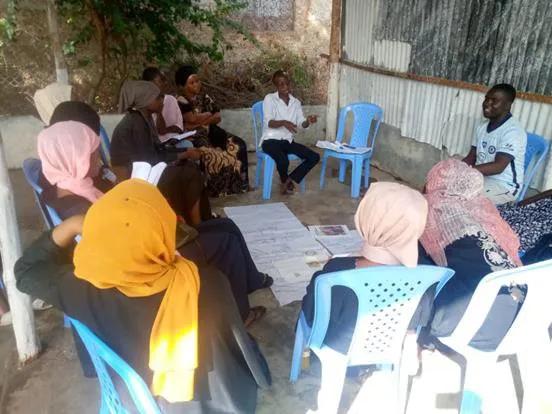
There are important themes, topics and issues that were commonly discussed throughout the 10-week sessions as follows:
Violence: reasons for partner, family and community violence were widely discussed. A common root cause of violence identified is unemployment that create increased stress and pressure, leading men to perpetuate violence towards their families. Unemployment was seen to lead to be a disempowerment for men, hence they felt ashamed that they could not take care of their families. They did not see a solution have limited communication and coping strategies, and often turn to alcohol or substance abuse to avoid feeling and dealing with the situation. Subsequently, these feelings of shame lead to violence towards their partner(s) and children. Alcoholism was also identified as a common contributing factor to domestic violence by male perpetrators. There were reported cases of domestic violence amongst youth, specifically within their intimate relationships between girlfriends/boyfriends.
Sexual abuse: Sexual abuse amongst partners and marital rape is a common occurrence. Another common issue discussed was sexual abuse from fathers, uncles and other adult male family members. Survivors expressed a violation of their basic human rights by adults in their family. The majority of survivors were girls and women, however sexual abuse was not exclusive to girls, it’s only that girls were more open to discussing it during the sessions and a few boys and men opened up during the sessions.
Alcohol & drug abuse: Drug abuse was named as widespread among family and friends. There is a sense of helplessness and hopelessness as to how to help and support their kin abusing drugs. Common drugs being abused include bhang, khat and heroin.
Harmful gender norms: are widespread in the communities. For example, some women expressed they are not allowed to work or earn money by their husbands. Women also shared that due to religious values, women’s freedom is limited by their husbands, fathers and male members in their community.
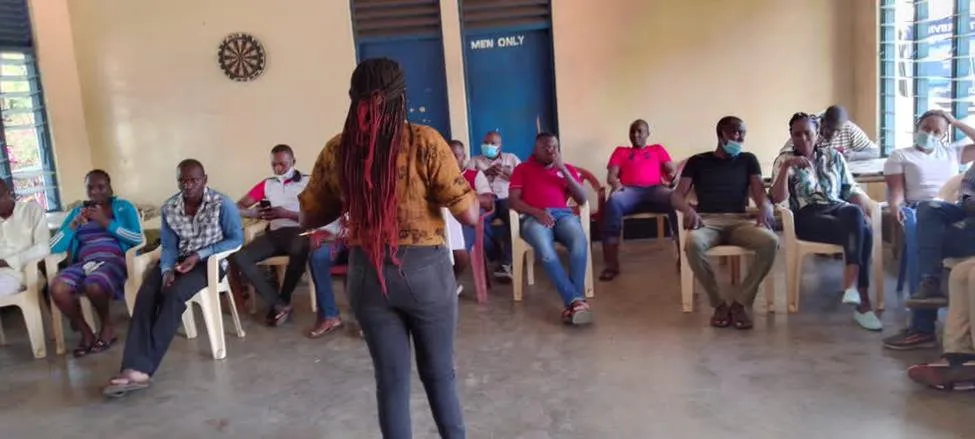
Trauma: the impact of trauma on daily life and personal wellbeing was discussed in depth. This brought about a lot of self-reflection and a desire to heal their trauma in order to change the current situation in life and increase personal wellbeing. There were high amount of single-incident trauma caused by events such as: fires, road accidents, flooding, extra-judicial killings, radicalization, disappearance of family members and other natural disasters. Participants discussed how trauma has impacted their families, communities and how it is passed down from generation to generation. Childhood trauma and neglect was a common issue among participants. This led to many discussions on how early childhood and trauma experiences in adolescence affects their current state in life. Another topic that arose was the impact of biology on wellbeing and trauma. Some participants were deaf, blind or had other physical disabilities, and were able to share their own stories and experiences. This understanding was valuable for the entire group, as it allowed for more acceptance of physical differences and disabilities.
Personal well-being, self-care and personal growth: Among participants, there was a willingness to learn about personal wellbeing, specifically practical means of increasing wellbeing. Wellbeing assessments were successful as participants expressed that it made them reflect on their lives.
Participants expressed there is limited knowledge about mental health issues in their communities and the “problem of lack of self-awareness”. They emphasized a need for the knowledge obtained in the workshops to be spread to other members of the communities. They expressed gratitude to the Nawiri Boma Fellows and an eagerness to learn more and become involved in future initiatives.
The importance of self-care: was discussed and how we must care for ourselves in order to be able to care for others. This was a novel idea that was accepted and absorbed in concurrence. Participants were curious and eager to learn more about themselves, how to increase self-awareness and self-acceptance. These motivated participants to keep coming to the sessions and learn more. They were keen to identify goals and move towards growth, personal development, and to make changes in their lives.
Relationships: Relationships were a big topic of discussion among participants. Conflict, aggression, partner violence and negative coping with heartbreaks was prevalent among the youth groups. The importance of building trust in relationships and families was emphasized.
4.4 Strengthening referral pathways
Although there are referral pathways that have been established in the National Guidelines on GBV prevention and care, in most cases, this information is not available to community members. Furthermore, in the mental health campaign conducted by GTP, a total of 54.3% of the respondents were not aware of any mental health care providers, out of the 45.7% who said they were aware, most of them went ahead to list organizations whose core mandate is not mental health care. A total of 48 participants (14 M 34 F) were referred for various services as follows: 18 participants were referred for additional one on one counselling sessions, 6 participants were referred for spiritual support, 4 were referred for health services, 2 were referred for legal support to the Kadhi’s (local traditional) court, 8 were referred to join a community sacco, 3 were referred for birth certificate registration, 5 youth were referred to the kazi kwa vijana government initiative while 2 youth were referred to access national identification cards.
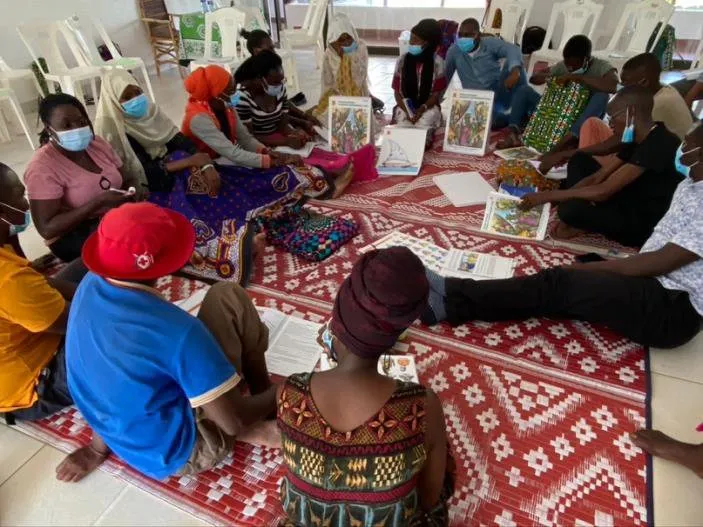
Wellbeing, mental and physiological health
Outcome 5: Participants in training and community programs will demonstrate decreased stress, prosocial behavioral change, improved mental health, and increased physiological health.
5.1 Support supervision visits
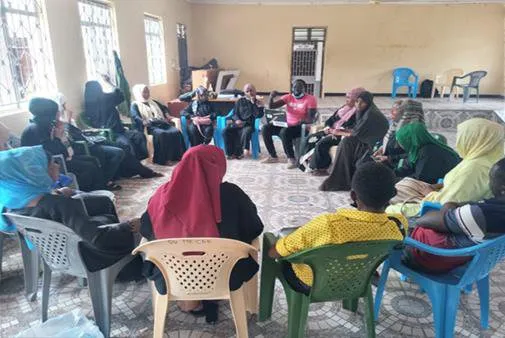
GTP staff and Team Leaders conducted support supervision visits during the Community workshops to provide oversight and technical support during the sessions. As cited by Fellows and participants, these have been very useful as it ensured a feedback system for issues to be raised on a real-time basis.
5.2 Impact assessment measures
GTP utilized both qualitative, quantitative, and physiological assessment measures developed with its research partner, the New School for Social Research, to assess the achievements of the Nawiri project. Evaluation was conducted on the impact of programming on both Fellows and Participants. In collaboration with New School for Social Research, GTP developed the following impact assessment measures for the Nawiri project.
Personal well-being assessments
Personal Wellbeing Assessments were administered as pre/ post assessments, with Fellows at the start of their training period, and with Nawiri Participants at the start of the community workshops. End line collection was done at the closing of the community workshop period. The personal well-being assessments were chosen and modified as needed, in collaboration with New School for Social Research, and are as follows:
| Measure | Description |
|---|---|
| Adverse Childhood Experiences International Questionnaire (ACE-IQ) | Adverse Childhood Experiences (ACE) questionnaire refers to some of the most intensive and frequently occurring sources of stress that children may suffer early in life. ACE-IQ is intended to measure ACEs in all countries, and the association between them and risk behaviors in later life. ACE-IQ is designed for administration to people aged 18 years and older. Questions cover family dysfunction; physical, sexual and emotional abuse and neglect by parents or caregivers; peer violence; witnessing community violence, and exposure to collective violence. |
| Positive Childhood Experiences (PCE) | A standard measure for positive childhood experiences in terms of support during childhood and factors that could affect resilience. PCEs are correlated with ACES and adult mental health. |
| Experiences with Violence questionnaire | Assessed participants’ experiences with violence in the last one month and with whom they experienced the violence with. |
| Harvard Trauma Questionnaire (HTQ) | Assesses symptoms or experiences that people sometimes have after experiencing hurtful or terrifying events in their lives. It uses a scale of 1-4 to indicate how much these symptoms or experiences bothered a participant in the past week. |
| Aggression Behavior Scale (ABS) | Measures aggressive behavior and is often used to inform initiatives focused on violence prevention amongst youth. Participants assess how many times they have done 11 aggressive behaviors within the past week. |
| Patient Health Questionnaire (PHQ 9) | A multipurpose instrument for screening, diagnosing, monitoring and measuring the severity of depression. |
| Brief-COPE Questionnaire | A self-report measure designed to measure effective and ineffective ways to cope with a stressful life event. “Coping” is defined broadly as an effort used to minimize distress associated with negative life experiences. |
| The Gender-Equitable Men (GEM) Scale | Uses a collection of statements developed to measure attitudes towards gender norms in intimate relationships. |
| Social Support Questionnaire (SSQ6) | Designed to measure perceptions of social support and satisfaction with that social support. |
Heart Rate Variability (HRV) assessment
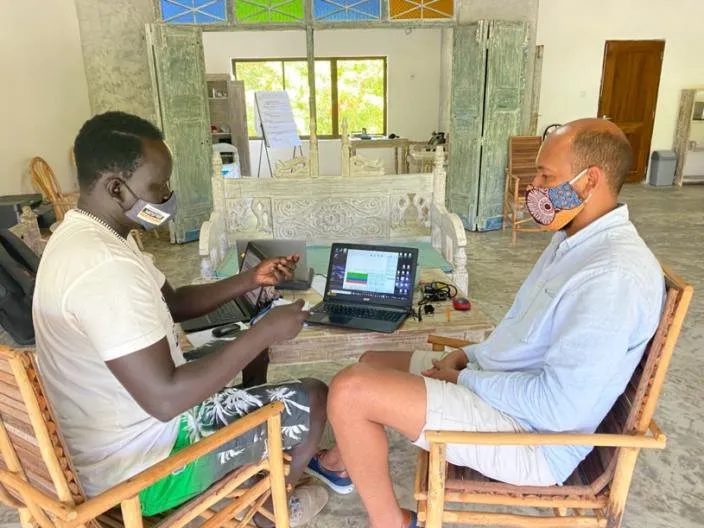
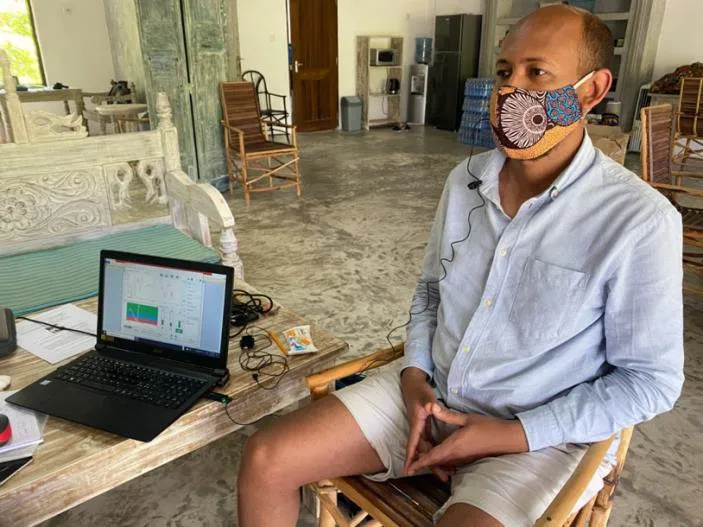
GTP conducted Heart Rate Variability (HRV) Assessment with Fellows and Participants as a form of pre and post assessment. The intersection of trauma, emotional wellbeing, and resilience can be measured in the body through Heart Rate Variability, an index of psycho-biological health. HRV is the variation in the time interval between heartbeats, measures critical (healthy/ unhealthy heart stress), indicates an individual’s capability to endure and overcome stress, and is correlated to a variety of social/ emotional/ behavioral impacts.
To measure HRV, GTP uses a tool called an emWave, which clips onto the individual’s earlobe or fingertip and can be done with or without assistance from a mentor or trainer. The emWave shines a light onto the earlobe or fingertip and, as the heart beats and blood naturally flow to the extremities, a “shadow” passes over the light. Each successive shadow is a heartbeat. Over a five-minute collection period, the emWave will have enough heart rate data in order to calculate an individual’s HRV. Generally, research has shown that individuals with high HRV also have more adaptive abilities to cope with stress and better skills in emotion regulation and interpersonal communication, and vice versa. Low HRV is associated with deficits in coping strategies, emotion regulation, and interpersonal communication.
Interviews and group feedback sessions
In addition to standardized self-report and HRV assessments, GTP staff conducted 1:1 interviews with Fellows and Nawiri community participants, utilizing a designed interview format with questions developed to assess for impact and changes related to engagement in the program. As with all Nawiri programming, consent forms were utilized and explained to all participating.
GTP has received a full research report from New School for Social Research, which can be accessed separately. However, a summary of the research findings is highlighted below.
5.3 Mental health impacts
Study findings showed that mental health impacts are significant in two different contexts where GTP has implemented TICE initiatives. In both South Sudan and Coastal Kenya contexts, mental health impacts are significant, but with different presentations. South Sudanese population endorsed very high levels of PTSD, while Kenyan sample has highest endorsement of depression.
Post-Traumatic Stress Disorder (PTSD)
At baseline, 20% of Nawiri participants reported symptoms consistent with post-traumatic stress disorder, whereas in South Sudan, over 50% endorsed PTSD level symptoms. Data reveals a 60% overall decrease in symptoms of Posttraumatic Stress (65% decrease in females, 54% decrease in males) among Nawiri participants. This is consistent with GTP’s TICE intervention outcomes in South Sudan, which demonstrated a 64% overall decrease in symptoms consistent with a PTSD diagnosis, and is above the gold standard average of 53%.
Depression
At baseline, 97% of participants reported clinical levels (mild-severe) of depression, with 51% endorsing moderate-severe depression. Such finding is significantly higher than the global average of 5% (WHO, 2021). At end line, there was a 55% overall decrease in depression (60% decrease in moderate-severe depression in females, 52% decrease in males.) Results are at or above “gold star” interventions for depression.
“I have changed my behavior, I used to get a lot of stress to a point of thinking about committing suicide, but I have come to know how precious it is to be alive. I can still manage or change my stress and live a normal life”
“I have been living a stressful life to a point of losing weight and becoming very thin but since I join these trauma healing sessions, I have gain knowledge and I am able to control my stress”.
5.4 Physiological impacts
Critical heart stress
At baseline, 95% of women and 90% of men were showing unhealthy (concerning/ critical) heart stress, which is highly concerning. Overall, there was 39% overall decrease in critical heart stress among Nawiri participants. Out of these, there was a 59% decrease in critical (severe) heart stress in males and 18% decrease in critical (severe) heart stress in females. For comparison, South Sudan sample demonstrated 15% overall decrease in critical heart stress. Gold standard physiological interventions demonstrate 3-4% decrease in critical heart stress. In addition, 96% reported that they can better manage their emotions after the program, 96% reported learning and using new coping skills to manage stress.
“I am now able to view life in a different perspective. I used to be a loner and didn’t want people to know what I was going through, but now I have friends that are able to sit and laugh with me, as well as share my story and encourage each other not to give up. My life partner made me agitated all the time, but right now I am able to control my emotions, my marriage life has improved so much. Also, my HRV results have improved and I am so happy”.
“A lot has changed in my life during this time. I have learnt coping skills - new ways to manage my stress and to deal with past traumas, which is helping me a lot to feel better and to relate better with people.”
“I have learnt how to regulate my energy levels and do positive things. I used to get angry quickly and could easily harm other people. I even think that sometimes I used to be violent. I now understand that this wasn’t good for me and the people around me. After these sessions, I can regulate myself and do not necessarily get angry. I have not been abusive to any person of late. I know many people don’t know how to regulate themselves and I will go and share the knowledge, because it’s very useful to our communities.”
5.5 Impacts on support & quality of relationships
Participants who are in relationships reported a significant improvement in perceived relationship health. There was a 77% increase in perceived relationship satisfaction, and 69% increase in participants perceiving their relationship as healthy and makes them a better person. In addition, there was a 64% increase in males reporting having someone to talk to about difficult things, and a 25% increase in males feeling they are able to reach out to a supportive person when having a difficult time. Qualitative data highlights participants’ increased sense of social support, such that 96% of participants reported their intimate relationship has better communication and teamwork, and 94% of participants reported that Nawiri helped them become more understanding and supportive of their partner.
“My husband says dirty words a lot. At times when we go without food, he tells me I am not the right wife. That I am a witch and many more bad things. He says he regrets having children with me. And he does not allow me to go to work as I am a woman. Now I am able to make friends. I am able to open myself to others and he has been allowing me to leave the house. Before I was not making friends.”
“I was finally able to meet & open up to my husband about my defilement. My mother went and got married elsewhere, and told me to get married to my father, and then I got pregnant from my father through defilement. My husband was able to listen and be supportive, and the group sessions helped, because other people are also going through different things too.”
Conclusions
Learnings
- Creating a safe space for people to open up and speak freely, share their stories, learn strategies for healing, and build a support system was experienced as highly valuable. Confidentiality and non-judgmental attitudes were appreciated by the members, as they reported this does not often exist in their own communities, especially around “taboo” subjects.
“We are knowing each other by sharing words, and now we are not holding pains alone. These are things we normally don’t talk about, as there is too much gossip and judgment, but in the (Nawiri) group, I felt safe and we all shared things I’ve ever heard share before.”
- The mental health impacts of trauma and compounded stressors in GTP target locations is very high- much higher than any reported global averages. The exact symptom presentation in various locations may look different (PTSD presentation reported most in South Sudan, depressions reported most in Kenya), but the seriousness of mental health impacts remain unquestionable. In addition, the physiological impacts related to critical heart stress are alarmingly high. This impacts not only cardiovascular and physical health, but also capacity for emotional control, self-regulation, interpersonal community, aggression, and effective use of coping skills.
- Significant data has now been collected within two very different contexts (South Sudan/ targeting intertribal conflict and war trauma), and Kenya (targeting partner/ family violence and youth at risk for violent extremism in an additional project.) While we are seeing some interesting variations, such as more dramatic HRV improvements with males in Kenya vs females, we are seeing similar improvements on mental and physiological health, overall across settings. GTP’s results have consistently demonstrated impacts at-or above other “gold standard” treatment methods, which are typically conducted in much more resourced settings.
- Intervention activities are widely embraced. Program content is well received and understood. However, initial phase of community entry/ trust building takes time. A clear introduction to the TICE program in session one allowed participants to become aware of the scope and objectives of the sessions. Participants became more willing to commit to all ten sessions after becoming aware of the value the program could have on their wellbeing. Having a clear structure and plan to each session helped with execution. The themes and topics to be discussed in each session was made clear at the start of each session.
- Some sessions were done with multiple smaller group discussions which was effective in enabling people to open up and share. Speaking in smaller groups was enjoyable for participants. Participants expressed the value in learning about trust building amongst the group, and how this would translate to their personal lives. Talking to participants in vernacular so they can relate and understand the information thoroughly was effective.
- The initial concept of “IPV” was not well received by the target communities. The definition seemed too narrow for the types of violence and relationships, and needed to be modified to “partner and family violence.”
- The use of contextualized and personalized materials were well received, and stated as an important part of the sessions feeling relevant and personal. It was also critical to have materials and sessions in local languages, with facilitators that also speak the local dialect, which reduced a need for participants to speak in a dominant language.
- Establishment of the program as a Fellowship Program, with scholarships provided, training, mentorship, field work and a minimal stipend, appears to be a successful model for increasing local ownership. Initially, discussions and more information needed to be given, as the “humanitarian/ NGOs mindset” of external organizations leading and owning the community work, was highly prevalent. However, this mindset started to change as the fellows started to explore this topic openly in the training, see themselves as change-agents with their own agency.
- Some level of community supports exist and are trusted; however, existing supports do not mitigate or effectively reduce detrimental impacts of trauma/ stress (depression, PTSD, aggression/ violence.) More supportive spaces and structures are needed to address the widespread mental health and violence concerns.
- When trained and mentored, local providers are able to provide quality and impactful supports to reduce violence/ aggression and reduce negative impacts on mental health and wellbeing.
- Evidence so far shows that the design and concept are relevant, impactful, feasible, and have potential for scalability.
Challenges
- The current COVID-19 restrictions in Kenya continued to be a challenge, and significantly slowed down program implementation. GTP had scheduled to conduct in-person training for the fellows in the year 2020, and again in month of August 2021. However, the COVID situation in Kenya has been unpredictable, with multiple “lockdowns.” On July 31, 2021 the Kenyan Government instituted new COVID-19 restriction measures banning all in-person meetings and public gatherings for a period of 30 days due to rising cases of COVID-19. GTP is being flexible in the way it carries out its activities due to the evolving COVID-19 situation in Kenya and has adapted both in-person and virtual methods of implementation. GTP incurred extra costs in re-adjusting and adopting the program in the year 2020 with a “hybrid” training format and with virtual training.
- GTP has faced challenges identifying local staff with sufficient skills and knowledge. GTP has a limited team, and to effectively implement Nawiri, GTP needed to expand staff. We undertook a thorough recruit process for the position of a Project Manager for the Nawiri project. The Project Manager deployed for the Nawiri project, unfortunately did not meet the requirements, and the contract was not renewed beyond the probationary period. GTP restructured the team to best meet the immediate need that was created due to the transition of the Project Manager. Eventually, GTP recruited a full-time Program Coordinator who has been highly effectively carrying out his duties.
- Poor coordination among service providers across all sectors, creates challenges to effective referral systems, especially regarding the limited development of shared standards and procedures to support the uniformity and roll-out of interventions. GTP provided feedback to the Ministry of Health on the ineffective GBV referral system and proposed the creation of a comprehensive and accessible county level database for existing GBV referral pathways. Discussions were also held on how best such referral pathways can be strengthened with standardized procedures and processes put in place, and with the County department of health taking lead to coordinate stakeholders.
- Individuals in need of additional support and further counseling have been identified, however, there were few resources to direct them to. Access to additional counseling support for participants who needed it was a challenge as there are no available free counselling services that they could be referred to. This is because the very limited number of individual counselors are expensive to hire, and not accessible to participants. GTP has now trained and on-boarded a Counsellor Trainer/ Supervisor, who is able to provide additional training on PFA and counselling skills, as well as provide added support internally to difficult cases in need of referral.
- There is on-going need to address dependency on NGOs to take up roles and responsibilities that should belong to the national/ local government and civil society. In addition, the mental health and wellness sector is still very untapped, despite there being significant need and interest for such supports and activities.
- Although the program shows significant impacts and potential for scaling, challenges to scalability and sustainability include: Impacts of colonialization & current power structures related to victim/ savior/ perpetrator dynamics impact mutuality, co-creation, local ownership and sustainability; dependency on INGO sector as the “solution bearer,” perpetuates a system of dependence and imbalance, which generates passivity, lack of agency and confidence and undermines local ownership and leadership; on-going training and skill development for staff at all levels is insufficient to enable locally owned quality, autonomous, sustainable implementation.
- GTP has been able to accomplish a great deal with a very small team, establishing, training and mentoring a network of over 600 community wellness providers across East Africa, and providing life-changing supports to over 6,000 people in hard-to-reach areas. Our results are demonstrating impacts at-or-above “gold standard” interventions in contexts that are much more challenging. However, our team has been overstretched, and has not had adequate supports internally to grow to scale. In addition, Kenya has a good deal of corruption at multiple levels, as well as ongoing threats to security. We have been analyzing how to best mitigate these challenges, and have begun to strategize around re-designing our current organizational structures, with advice from other external leaders in the field.
- Although GTP has demonstrated significant impacts, there is a need for publication of results, and to strengthen partnerships with research institutions, and better disseminate learnings.
Recommendations
- For future programming, consider additional training for Fellows and Team Leaders on basic counselling skills and provision of Psychological First Aid, and on-going support that can allow them to provide basic 1:1 Mental Health First Aid to participants in urgent need.
- GTP is undertaking a re-design of operational and delivery model focused on strengthening local leadership and ownership, sustainability, capacity building. We are now developing an advisory team made up of external field experts, to obtain feedback and guidance on the best way to strengthen our delivery system for improved wellbeing of staff and greater sustainability. We are currently focused on assessing and planning for shifting from implementation to a capacity-strengthening/ technical support organization. GTP to consider whether an “affiliate member” model and/ or social enterprise component would be appropriate and add to greater sustainability.
- Consider strengthening the National/ Local Fellowship program, as well as a “Global Fellowship” to allow for better training and mentorship of National Partners and increasing local ownership and responsibility.
- Strengthen internal program for promoting staff wellbeing and preventing secondary trauma.
- Enhance training program/ kits to include additional modules necessary for skill strengthening and uptake of local ownership & sustainability on both local and national levels.
- Development of technology platforms for broader reach (radio, videos, online resources, etc.) Development of a provider app to be used for additional trainings, caregiver wellbeing modules, dissemination of opportunities, and strengthening and retaining a functional referral network across the region.
- Strengthen tools and strategic partnerships for impact measurement, ongoing evaluation, and learning. Identify partners for ongoing research, and advising on operational re-design. Strengthen strategy and actions for greater dissemination of learning and results.
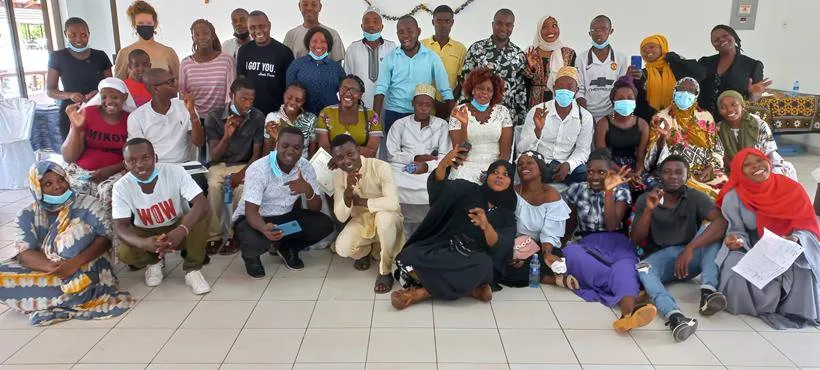
References
- Kenya National Bureau of Statistics, ICF International. 2014. Kenya Demographic and Health Survey 2014. Nairobi, Kenya.
- World Health Organization. (2020, March 11). WHO Director-General’s opening remarks at the media briefing on COVID-19 - 11 March 2020. https://www.who.int/director-general/speeches/detail/who-director-general-s-opening-remarks-at-the-media-briefing-on-covid-19---11-march-2020
About this report
This report is for internal use only, and should not be disseminated without written permission from Global Trauma Project.
An accompaning research report by New School for Social Research, “Nawiri Boma Fellowhsip: Reducing Partner & Family Violence in Coastal Kenya. Reseach and Findings Report,” by New School for Social Research is availavble online at: globaltraumaproject.org.
Global Trauma Project, PO Box 5040, Diani Beach Road, Diani, Kenya. Tel. +254 (0) 715 081 803. E-mail: [email protected]. globaltraumaproject.org. www.facebook.com/globaltraumaproject.
Readers are encouraged to share material from GTP reports for their own publications and presentations, as long as it includes proper citations and references, and it not being sold commercially. As copyright holder, GTP requests due acknowledgement and a copy of the publication. For online use, we ask readers to link to the original resource on the GTP website.
The views presented in this paper are those of the author(s) and do not necessarily represent the views of GTP. This material has been funded by Wellspring Philanthropic, however, the views expressed do not necessarily reflect this donor or official policies.
© Global Trauma Project 2020. This work is licensed under a Creative Commons Attribution-NonCommercial licence. Cover photo: TICE training materials © Global Trauma Project, 2020. Artists: Josephat Kiniaru and James Aguer.
Nawiri Boma Fellowship: Final Report 2022
The original report by Ann Wahinya, MA and Ilya Yacevich, MA, LMFT, March 2022 (PDF, 36 pages).
Healing. Empowerment. Transformation.
Help families break the cycle of violence.
Talk with Global Trauma Project about trauma-informed fellowships, community safe spaces, and partner and family violence prevention.