Internally Displaced Persons reached through community workshop sessions
700 men and 2,100 women (104%), across Montepuez, Chiure and MetugeReconstruirHealing after
Healing after
displacement.
Trauma-Informed Change-Making: cultivating a network of Community Mental Health Volunteers in hard-to-reach communities to strengthen mental health, well-being and resilience among internally displaced persons in Cabo Delgado, northern Mozambique. This is Global Trauma Project’s final report on the trauma healing component of Reconstruir.
- Prepared by
- Global Trauma Project
- Partner
- CARE International
- Project
- Reconstruir: Strengthening the Resilience of IDPs through the Promotion of Livelihoods, Financial Inclusion, Trauma Recovery, and Empowerment of Women and Girls
- Geographic location
- Metuge, Montepuez and Chiúre in Cabo Delgado province, Mozambique
- Timeline
- July 2022 to September 2023
- Funder
- USAID Bureau of Humanitarian Assistance (BHA), via CARE
- Report type
- Trauma Healing Program Final Report
- Date
- November 2023
Key findings
Reach across three IDP centers.
The program trained local Community Mental Health Volunteers, known as Activistas, to run trauma healing workshops in IDP centers in Cabo Delgado.
participants trained in the 8-day TICE program
41 Activistas and 15 partner organization staffActivistas graduated with a TICE Level 1 certificate
After the TICE training and community workshop cyclesCARE and Ophavela leadership team members trained in TICM
Plus 14 mentorship sessions for 7 Team LeadersOutput figures reported by GTP. Well-being and HRV assessment data were collected but were not analyzed under this contract, so the report contains no measured outcome findings.
Executive summary
This report covers GTP’s implementation of the trauma healing component for the Reconstruir program for a period of 12 months from August 2022 to Sept 2023. It details key activities, implementation model, outcomes, challenges, and recommendations for future programming.
Global Trauma Project (GTP) has been supporting hard to reach communities focused on breaking intergenerational trauma, violence, abuse and neglect among hard-to-reach communities. GTP and CARE used a collaborative approach to co-create, design, implement and evaluate the trauma healing program.
The following agreed upon deliverables were completed. 10 Ophavella and CARE leadership team members were trained on Trauma Informed Change Making (TICM). TICE materials and program were contextualized and adapted to suit the Northern Mozambique context. A total of 56 participants, were trained on the Trauma Healing Community Empowerment (TICE) program for a period of 8 days from February 13th to 22nd, 2023. Trainees included 41 Community Mental Health Volunteers (Activistas) and 15 members of partner organizations working with CARE. 2,800 (700M, 2,100F) (104%) Internally Displaced Persons (IDPs) participated in Community workshop Sessions conducted in 3 IDP centers, which include Montepuez, Chiure and Metuge, and facilitated by trained Activistas as part of the TICE certification program. Given the extremely difficult setting and topics addressed, 7 Team Leaders received 14 additional mentorship sessions, to provide better capacity building support to the Activistas, share learnings and challenges, and address emerging issues. 33 Activistas successfully graduated and were issued with certificates.
GTP works with partners to continually monitor and document learnings and integrate and adapt this for future programming.
Project background
CARE International in Mozambique is implementing the USAID’s Bureau of Humanitarian Assistance (BHA), funded project Reconstruir: Strengthening the Resilience of IDPs through the Promotion of Livelihoods, Financial Inclusion, Trauma Recovery, and Empowerment of Women and Girls, to address critical humanitarian needs among internally displaced persons (IDPs) in 3 districts of the Cabo Delgado province with a high-level of Internally Displaced Persons (IDPs): Metuge, Montepuez and Chiúre. Under the Mental Health & Psychosocial Services (MHPSS) component of the project, Reconstruir aims to improve the psychosocial resilience of IDPs and mainstream a trauma-informed approach across the other sectors of the project. This includes establishing a model of Community Mental Health Volunteers (CMHVs) to promote local ownership and help IDPs cope and manage their displacement-induced trauma.
Global Trauma Project
Experiences of trauma, abuse, violence & compounded stress, affect children and adult caregivers worldwide, regardless of location, background, or socioeconomic status. These experiences can affect our capacity to learn, self-regulate, problem solve & innovate. Since 2013, Global Trauma Project (GTP), has been supporting hard to reach communities focused on breaking intergenerational trauma, violence, abuse and neglect among hard-to-reach communities. GTP is working to create and build a movement and network of trauma-informed, healing-centered leaders, trainers, facilitators, and mentors that connect globally and act locally, offering trauma-healing & mental health support in the most hard-to-reach communities, where there are unmet needs & gaps in effective care.
Trauma-informed change-making
GTP offers a Certification Program in “Trauma-Informed Change-Making” based on six Key Pillars:
01
Healing Activities
For leaders, caregivers, community members, and other stakeholders who are often impacted by trauma and adversity.
02
Leadership Training
For leaders and CBOs on Leading a Trauma Informed Change Making Program (TICM).
03
Training of Community Facilitators
For caregivers to conduct trauma-informed community empowerment initiatives/workshops (TICE).
04
Mentoring
Mentoring for all actors to support establishment and functioning of high-quality safe spaces, group therapy, and trauma-informed services in their communities.
05
Connecting
Connecting all relevant actors and CMHWs both on the ground and online to foster partnership building, sustainable exchange of resources and mutual support.
06
Evaluating Impacts, Learning and sharing
GTP values rigorous scientific evaluation of impacts and dissemination of learnings with the community at large.
Reconstruir trauma healing project objectives
GTP’s role in the Reconstruir project was as follows:
- Provide guidance to CARE and Ophavela on technical support, including selection criteria for Trauma Informed Change Making (TICM) team and CMHVs.
- Provide TICM training to a selected TICM leadership team, comprised of CARE, Ophavela, and select partner staff, on the methodology and application in resettlement sites.
- Research and prepare context-specific material on MHPSS in northern Mozambique, to ensure all MHPSS trainings, material and activities are adapted to the context.
- Provide Trauma-Informed Community Empowerment (TICE) training to CMHVs
- Provide regular consultation and mentorship to the Mozambique team in the application of the TICM/ TICE Framework into target communities.
- Support evaluation and learning through planning of MEAL strategy, specific for trauma healing component; identify and adapt impact assessment tools, analysis and reporting.
Trauma healing program achievements
The following section details the trauma healing component program achievements.
4.1 Trauma-informed change making (TICM) leadership training
4.1.1 Establishment of the TICM leadership team
To provide guidance, decision-making, and leadership of the trauma healing component of Reconstruir, a Trauma-Informed Change Making (TICM) leadership team was established, GTP provided technical support in terms of the TICM team constitution & selection criteria, which comprised of key staff from CARE, Ophavella, and Global Trauma Project (GTP).
4.1.2 Adapted TICM training curriculum
GTP adapted its Trauma-Informed Change-Making Training for Partners and Leadership Teams to the needs of the Reconstruir TICM Leadership Team. CARE requested for the TICM training to be an online training consisting of 5 sessions of 2 hours each, delivered virtually on a weekly basis, combined with home assignments. This request on timings, length and online format was made due to the challenging context and highly volatile setting where the project is being implemented. The adapted curriculum consisted of 5 modules/online sessions followed by home study and work. See Figure 1 below for the outline of the sessions.
Session 1
- Presentations and Group Guidelines
- GTP presentation, Project Overview
- Goal of the Training Workshop
- Initial Assessment
- Introduction of the TICM Leadership team
- Home Assignment
Session 2
- Understanding TICM and Leadership Role
- Understanding the TICE Fellowship Program
- Design Components: Cycles, Cohorts, Teams,
- Identification of CMHWs
- Home Assignment
Session 3
- Definition of Project Framing for Trauma Healing component
- Definition of Project Design for Trauma Healing component
- Identification of Healing Workshop Participants
- Home Assignment
Session 4
- Confirming design components related to Assignment
- Presenting partner’s MEAL strategy
- GTP methods, tools and impacts evaluation
- Designing Monitoring, Evaluation, Learning of the Healing Component
- Home Assignment
Session 5
- GTP’s feedback on Design Decisions and Assignments
- Partner’s Presentation of Assignments
- Understanding Contextualization of TICE Materials
- Defining Way Forward, Next Steps and Plan for Mentoring and Consultations
- Home Assignment
TICM Leadership training sessions.
4.1.3 TICM leadership training
Using the contextualized TICM curriculum, GTP conducted a TICM training for 10 leadership team members on the TICM methodology and its application in resettlement sites. The training aimed to provide the team with guidance and tools to design and own the healing initiative, lead, support, monitor, and sustain the CMHV teams to effectively conduct the healing initiatives in the field after initial training by GTP. The training was conducted over a period of 3 months, from August to November 2022, as an online 5-day training with 2-hour sessions, combined with take-home assignments. The training was conducted in English with Portuguese translation. During the training, the TICM leadership team and Terms of Reference (TOR) were formalized and agreed upon, and a workplan to guide the trauma healing component was developed.
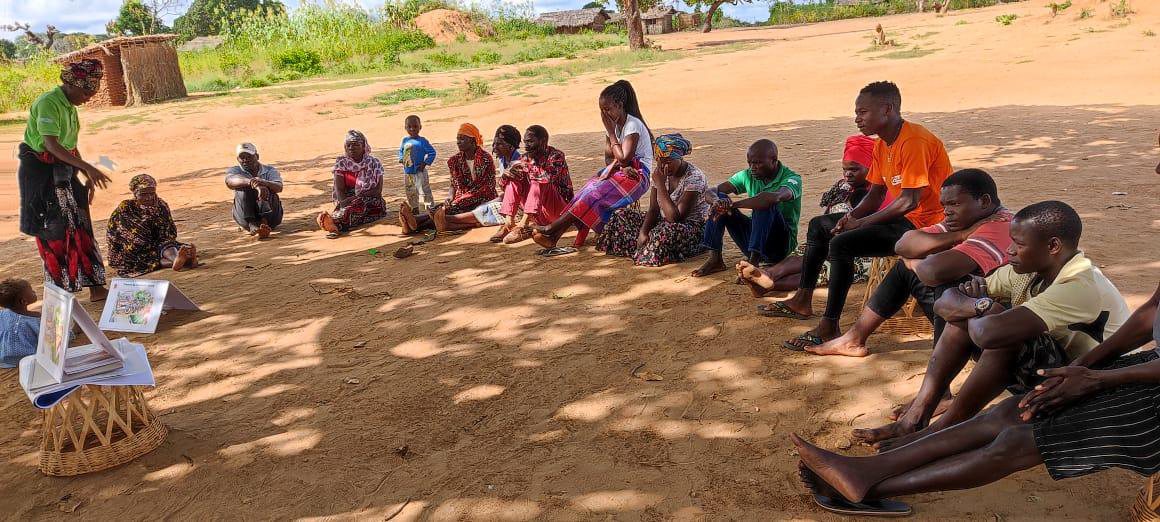
In addition, the TICM leadership team engaged in a trauma healing project adaptation process. Key adaptations regarded shortening the training timelines, both in terms of number of days and duration of the single sessions as follows:
- Duration of TICE Training: The GTP TICE training was conceived as a 15-day TICE training certification program for CMHVs (Activistas). However, during the project design process, it was recommended that 15 days was too long to train Activistas in an in-person training, hence this was adapted to an 8-day training.
- Number of community healing workshop sessions: The TICE community healing workshop sessions were ideally conceived as a series of 10 workshop sessions. However, the TICM Leadership raised a concern that the 10 weeks’ community workshop sessions may not be workable, due to the mobile and volatile nature of the area and IDPs, which makes it difficult to keep group members consistent throughout the 10 weeks. The TICM Leadership team proposed to reduce the TICE sessions from 10 sessions to 6 sessions. GTP therefore adapted the TICE curriculum to fit into the 6 proposed sessions.
- Duration of community healing workshop sessions: The TICM Leadership team also raised a concern on the length of the community workshop sessions. They felt that the 2.5 hours for one session is too long and would lead to participants expecting to be provided with refreshments/lunches. They recommend sessions to not be more than 1.5 hours. Based on this, GTP adapted the TICE curriculum to ensure sessions fit into 1.5 hours instead of the standard 2.5 hours.
Challenges and needs identified
- While the TICM sessions were conceived as a blend of interactive sessions with follow-up assignments, several challenges (i.e., unstable internet connections, connection delays by participants based in different hard-to-reach and high-risk locations, time consuming translation services) forced us to reduce the interactive component. The program was reduced from a 5 day, full-day, in-person training: to 5 days of 2-hour online sessions, spread out over a period of 2 months. This was due to travel insecurity, and lack of time and resources for the participants to attend a full 5-day in person training. This change meant that many assignments were to be completed by the Leadership Team independently between the sessions. GTP held several additional follow up sessions to provide guidance and feedback for the team to complete the design and the training.
- The TICM Leadership team faced language barrier challenge hence relied on a translator, which meant it took longer to deliver the training content and complete assignments.
Recommendations for phase 2/future programming
- Ensure both in-person and online sessions are long enough to include participatory interactive sessions (a minimum of 6 hours per session is recommended). If sessions are online, ensure all participants have access to a stable internet connection.
- Ensure support of the TICM team in completing the required activities. If in-person, this will occur with GTP support within the training days. If online, teams may not be able to complete assignments independently, and may require more support. Identity with the partner how this will be conducted to ensure assignments are completed.
- Consider conducting the TICM Leadership training in-person to allow for interactive sessions and a more participatory approach, as well as ensuring guided completion of all tasks within timelines. Ensure that the chosen Leadership Team has adequate onboarding and understands their role and responsibilities within the program.
- Ensure finalized TICM training materials are translated in the language of delivery. The TICM leadership training relied on a translator meaning it took longer to deliver training content and gather feedback from participants.
Contextualization of TICE training materials
5.1 Trauma-informed community empowerment (TICE) model
GTP utilizes the Trauma-Informed Community Empowerment (TICE) model, an evidence-based model designed for working with communities impacted by trauma, stress, and other forms of adversity, where effective mental health supports are lacking. GTP’s TICE framework serves as a foundation for training, assessment, and mentorship of local community caregivers. The TICE model can be integrated into peacebuilding/conflict transformation, violence prevention, education, livelihood/economic development, leadership, health, and other thematic areas. TICE is contextualized to specific cultures/environments to ensure that the concepts are relevant and can be deeply internalized and utilized by local providers. This ensures that providers are able to craft effective local responses based on their specific needs, contexts, and capacity.
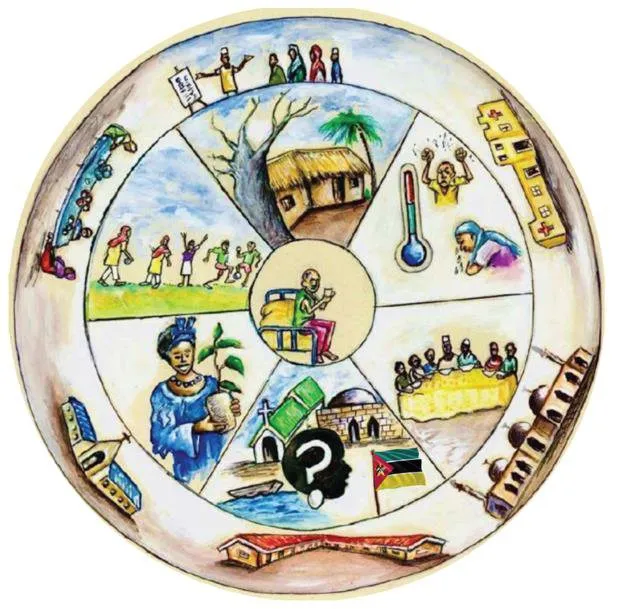
At the center of the TICE framework is personal wellbeing which is affected by the components of Safety, Regulation, Connection, Identity, Empowerment and Joy. The outer circle represents community care since the wellbeing of an individual affects the community and vice versa.
5.2 Process, method, tools, and timelines
GTP contextualized the TICE workshop design and curriculum to suit the Northern Mozambique context, taking into consideration current issues facing Internally Displaced Persons (IDPs). GTP conducted a secondary data review covering CARE’s baseline assessment, existing mental health, and psychosocial support (MHPSS) interventions, and current context analysis from websites such as Reliefweb. Information was gathered on the following:
- Background of Context (geographic, stability, levels / types of conflict, resources)
- Participant Profile (age, gender, family structure, religion, ethnicity, language, literacy, livelihood, common physical characteristics, typical clothing, technology usage)
- Goals of the project
- Goals of GTP’s trauma healing component
- Key Actors
- Strengths of Activistas/ the community
- Challenges of Activistas/ the community
- Host communities context
- Desired change in thoughts/ behaviors/ impacts
- Measurement tools
5.3 Key stakeholder consultations
GTP interviewed key stakeholders within the TICM Leadership Team. Due to translation, technology, and timing concerns, GTP was unable to interview community leaders during this phase. The most frequent mode of communication was email, which allowed for differing work schedules, and easier translation. 4 online consultations were conducted, with CARE and Ophavella staff.
5.4 Questions and prompts for stakeholder consultations
Tell us about Violent Extremism/ Trauma/ Stress/ Sexual and Gender Based Violence in regard to your community….
- What’s impacting people’s wellbeing the most?
- What is strengthening wellbeing? what is helping people?
- What is harming wellbeing? what challenges do people have?
- How does VE/ Trauma/ Stress, SGBV affect people?
- Will you tell us some stories?
- Who does it affect? how so?
- How can you tell people are affected? what are the impacts? (consider thoughts, feelings, behaviors, relationships, livelihoods, education, etc.)
- Why does it happen?
- Is it a concern? If not, what are main concerns?
- What do people say about it? what phrase?
- Who do people turn to discuss VE? who doesn’t talk about it? why? Is there stigma around it?
- What do people do about it? (Referral Network?)
- What else is important to discuss?
5.5 Pre-selection of context relevant “themes”
From the desk review and key stakeholder interviews, a list of relevant themes was distilled. These included the following:
Safety
- Increasing insecurity
- Perceived lack of safety
- Fear of further attacks and forced displacement
- Natural disasters
- Gender dynamics, including Sexual and Gender Based Violence
- Multiple displacements
- Disease outbreaks
Regulation
- Persistent fear, uncertainty, worry and emotional distress associated with conflict and displacement
- Difficulty resting or sleeping because of insecurity, overcrowding and uncertainty
- Feelings of anger, frustration, sadness, helplessness or emotional numbness
Identity
- Tension with host communities
- Loss of home, land, livelihoods, possessions and familiar community roles
- Disruption of cultural practices, traditions and connection to place
- Tension between displaced and host-community identities
Empowerment
- Poor access to basic services
- Aid distribution systems that may reinforce unequal power relations
- Limited livelihood and income-generating opportunities
- Loss of productive assets, land, tools, livestock and employment
- Dependence on humanitarian assistance and reduced control over everyday choices
Connection
- Separation of families
- Desire to return “home.”
- Loss of contact with relatives, neighbours and community members
- Isolation of people who have experienced violence or other distressing events
Joy
- Loss of opportunities for celebration, recreation, play and social interaction
- Reduced access to activities that previously provided meaning, pleasure and hope
Context relevant themes, grouped by TICE component.
5.6 Analysis and adaptation of the TICE curricula
This involved an assessment of current capacities and needs of participants/program, and a review of identified needs and capacities of participants. A spreadsheet was created detailing components of previous TICE curricula. Each section was assessed for relevancy to Reconstruir context. The changes made included the following:
- Simplified language: based on previous mapping, 80% of Activistas have medium and basic level education while 20% have 2nd grade level of primary education. Therefore, the text of the curriculum was rewritten to an appropriate literacy level.
- Reduction of activities: TICM Leadership advised that 2.5-hour sessions would be too long, and would result in the expectation of refreshments. Therefore, each session was shortened to 1.5 hours through the reduction and rearrangement of activities.
- Adaptation of stories: themes highlighted through the desk review and key stakeholder interviews were written into activities, examples, and stories.
- Adaptation of images: images were analyzed for relevance including gender, age, ethnicity, religion, physical appearance, clothing, and cultural context. New images were created as necessary.
- Target population: Although the Reconstruir program was establishing Village Savings and Loan Associations (VSLA) groups, it was agreed that all the IDPs at the centres had experienced stress and trauma hence the need to target IDPs who meet the participants selection criteria and not just participants in the VSLA groups. (see attached participant selection criteria).
5.7 Finalization of curriculum
Feedback was incorporated into the curriculum, resulting in a final version, the Trauma-Informed Community Empowerment (TICE) Workshop Guide for Activistas: Workshops for Wellbeing and Empowerment. The Workshop Guide provided the objectives, curriculum outline, phrasing, and activities for each session, as well as overview of the process, and index of additional activities. The standardized flow allowed Activistas to confidently facilitate sessions, while granting flexibility to choose certain activities to meet the needs of the participants.
5.8 Translation
The final version of the curriculum and accompanying training materials were sent to CARE who translated it from English to Portuguese.
5.9 Production/ acquisition of adapted materials
GTP worked with a printer to design the artworks and produce the TICE Kits which comprised of the TICE workshop guide for Activistas, TICE flipchart, posters and a PowerPoint presentation was created to be used during the training (see Annex II: TICE workshop guide and TICE flipchart attachments).
Challenges
- During the TICE training, Activistas expressed the need to also offer healing initiatives for younger adolescents age 10–14 years.
- Community workshop participants mentioned the need for reference materials, that they could take-away to continue learning and sharing the information with others in the community.
- Engagement and participation of TICM Leadership in the contextualization process was limited, due to time availability, translation challenges, and access to technology.
- GTP and CARE under-estimated the contextualization and translation timelines which took longer than anticipated, hence necessitating the postponement of the TICE training from the initial dates.
Recommendations
- Consider specifically targeting adolescents (10-14 years) as they are at a critical stage of development and may experience complex/development trauma and other adverse effects of stress and trauma. GTP to contextualize the TICE curriculum for use with younger age cohorts below 17 years.
- GTP to contextualize and adapt a community healing workshops participant’s handbook, for use as a “take home” reference material.
- Integrate formal contextualization sessions within the TICM Leadership Training to ensure consistent participation, sufficient time, adequate translation and structured process.
- GTP and CARE to plan for contextualization and translation timelines based on phase 1 experiences on contextualization and translation needs.
Activistas trauma healing training
6.1 Trauma healing certification program
The trauma healing component of the project was designed by the TICM leadership team as a certification program for Activistas. To become certified, Activistas needed to attend 100% of the 8-day TICE training and conduct three cohorts of community workshop sessions (three weeks each, two sessions per week). Activistas also had to attend weekly mentoring sessions with Team Leaders. After completing the TICE training and implementing three community workshop cycles, Activistas were to be awarded a TICE Level 1 certificate for community facilitators. The project partnered with the Ministry of Health, particularly the Directorate of Health in Cabo Delgado Province, and the 3 districts of implementation. Additionally, the project engaged communities and local stakeholders during implementation and worked in partnership with other civil society organizations to facilitate additional referral of services.
6.2 Selection of community mental health volunteers (CMHVs)
At the time of the project design, 40 Activistas had already been selected through a rigorous selection and recruitment process in consultation with their respective communities. CARE developed the Terms of Reference with the selection criteria and disseminated it in the community. Potential candidates were presented by the community, and applicants were vetted and recruited for the positions. The Activistas were then contracted to implement the project and supported with project funding.
6.3 TICE training for Activistas
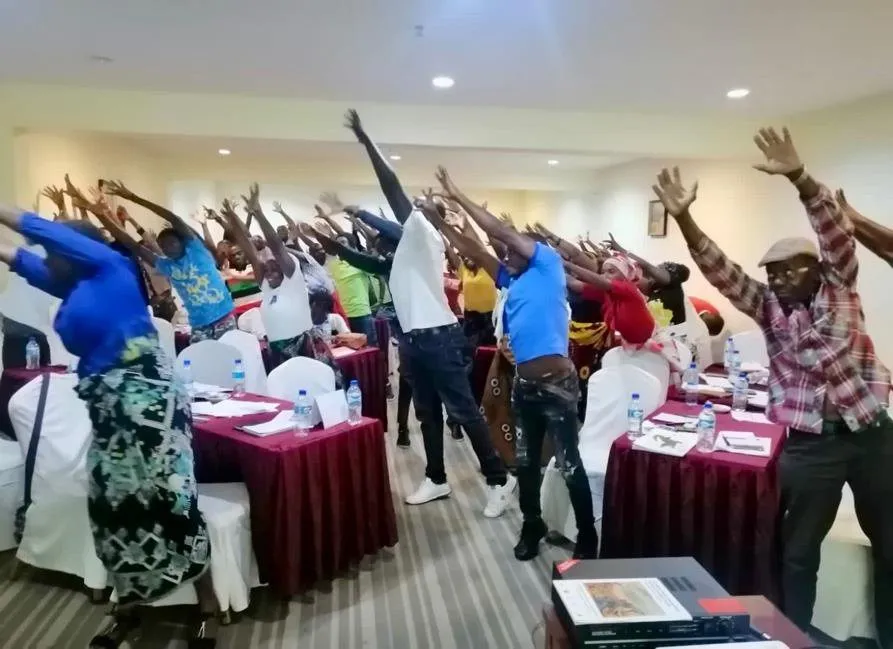
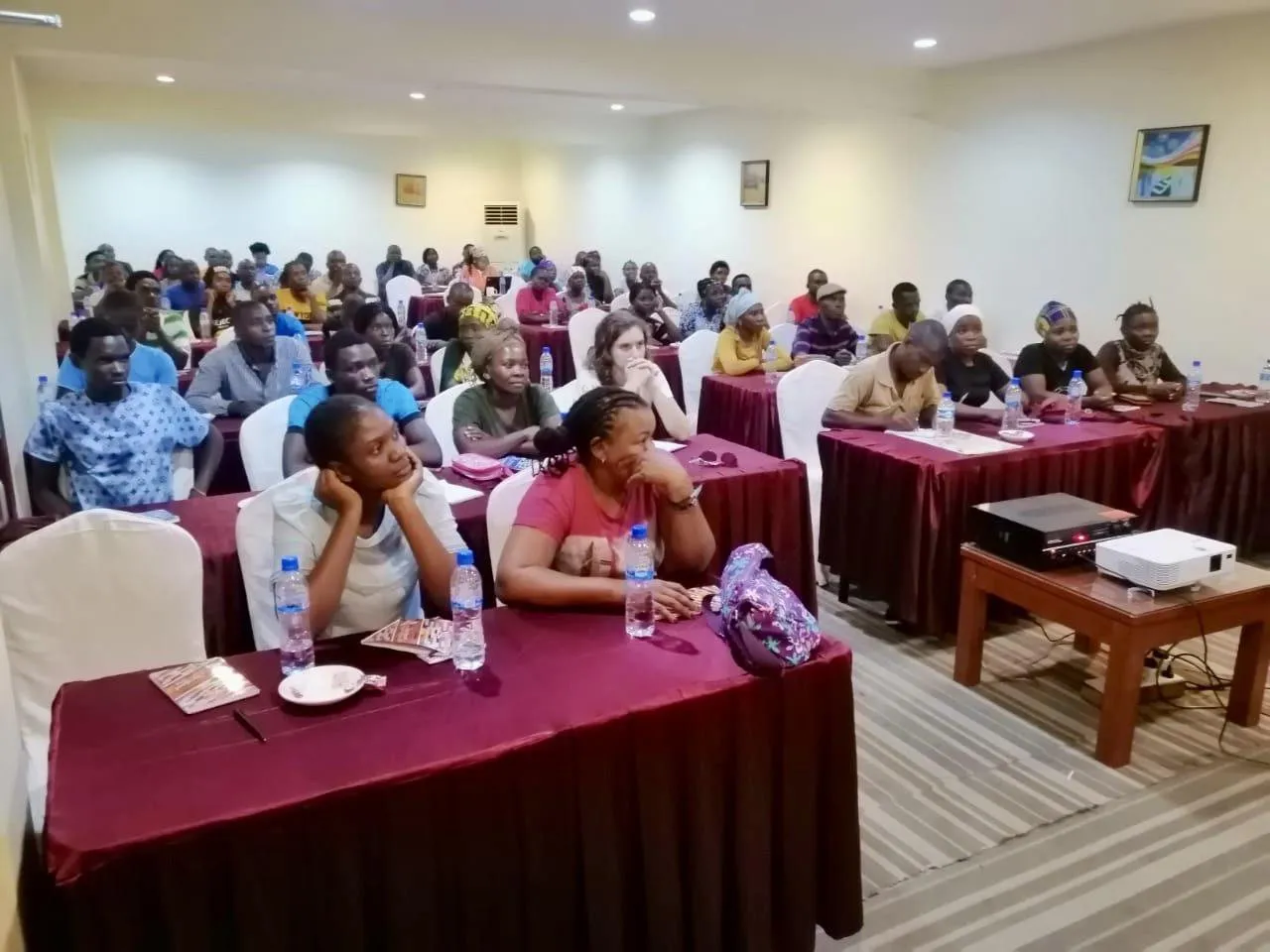
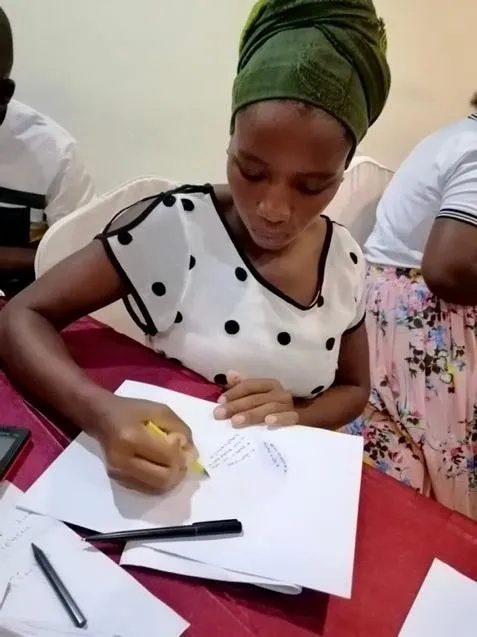
GTP conducted a training for Activistas for a total of 8 days, from February 13 to 22, 2023. 41 Activistas and 15 representatives from CARE, Ophavella and other partner organizations attended the training. The first objective was to support Activistas to process their own stressors and engage in a process of healing; the second objective was to train Activistas on content, skills, and processes necessary to successfully implement trauma healing community workshops. Participants were taken through TICE sessions 1 to 6 and had an opportunity to practice facilitating the training sessions thereby highlighting facilitation skills, confirming content comprehension, and practicing both giving and receiving feedback.
6.4 TICE sessions
Below is a summary of the 6 sessions that Activistas were trained on during the TICE training and which they facilitated with IDPs during community healing workshop sessions.
Session 1: Welcome, overview, & personal wellbeing assessments
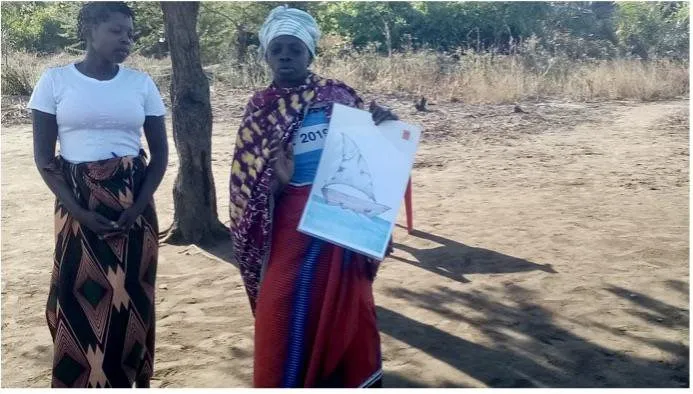
The purpose of this session was to welcome Activistas and build group rapport, and for Activistas to connect and feel safe within the group. Activistas were trained to use a boat activity in order to give participants an opportunity to identify and express how their lives have been impacted by stress and trauma. In addition, roles, responsibilities, and group guidelines were discussed in this session. The emphasis on ‘self-care’ in this session ensured that participants attend to their own well-being throughout the TICE workshop. Further to this, Personal Well-being and Heart-Rate Variability Assessments were administered during the session. The session introduced participants to an inner reflection process of “checking-in” to identify, understand, and explore their own well-being including health, behavior, values, attitudes, and actions. All assessments and activities were voluntary with no negative repercussions for not participating. The two assessments provided the pre-assessment results for participants in the trauma healing program. Activistas were able to build rapport with each other and with facilitators. Maintaining confidentiality was emphasized during this session which created a safe space for participants to share during the training.
“It is my first time to do the wellbeing assessment and it has opened my eyes to know more about myself. It is true the results I am seeing with red being higher. I have been through a lot because of this senseless war. Life is just difficult, and it gives you stress, especially when you don’t know about tomorrow or when the stability will return so that we can go back home.”
Session 2: Introduction to wellbeing
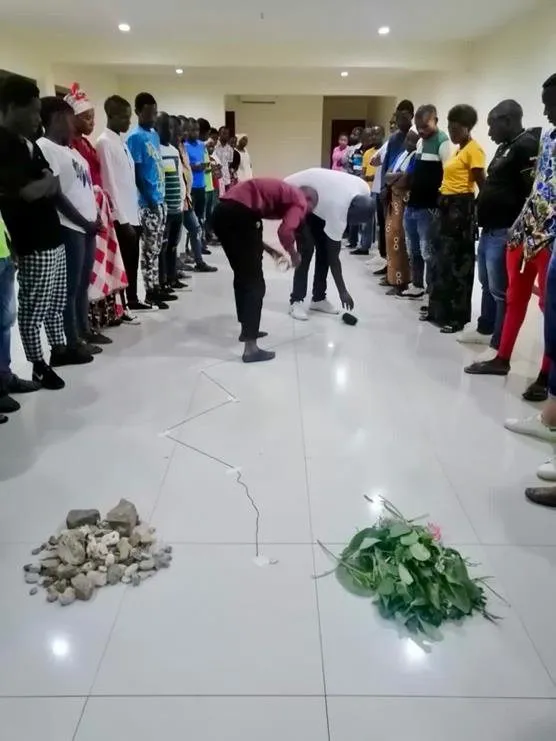
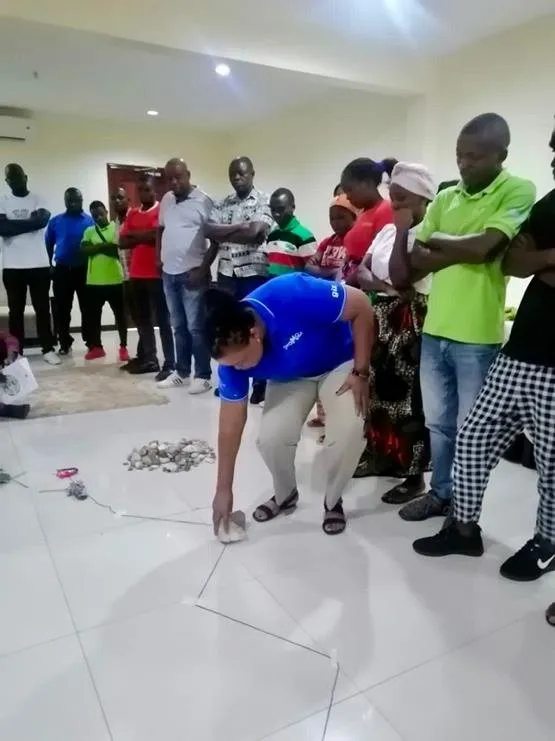
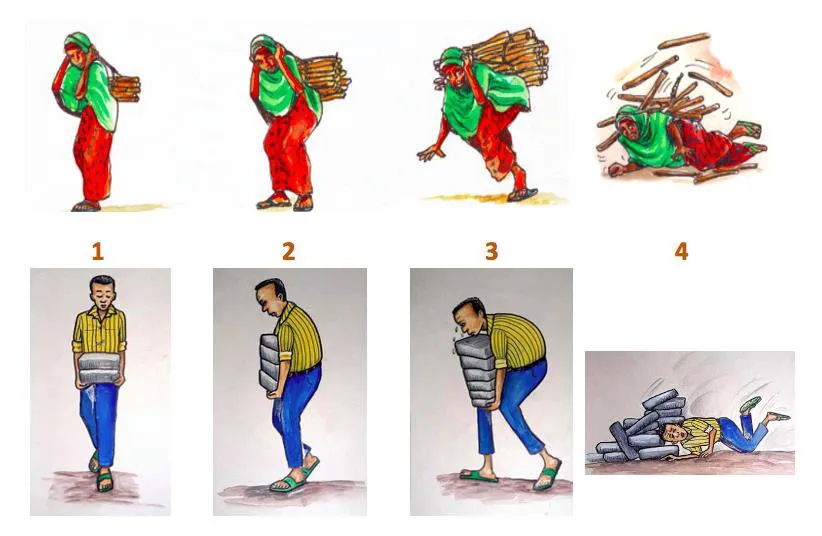
The objective of this session was to enable Activistas to teach participants how to recognize the impacts of stress and trauma. It covered the 3 areas impacting wellbeing (stress, biology and trauma), as well as the various types of trauma (individual, developmental, collective, secondary). The session also introduced Activistas to the concept of ‘post-traumatic growth’. Real life experiences of people who have experienced post-traumatic growth were used to explain the concept, and participants also had a chance to share their experiences on the same. Facilitators used the Sticks & Bricks poster to help Activistas reflect on the amount of stress they were experiencing. Activistas chose a number (1-5) based on their current ability to handle what was going on in their personal and professional lives. Activistas shared that the sticks & bricks poster is a useful and simple tool to help them check-in with themselves, especially their bodies, thoughts and feelings, and to open-up without feeling pressured. Activistas used the poster on their own during some of the workshop days to do a check-in before the sessions began. In addition, some Activistas could relate with the concept of ‘post-traumatic growth’ where they shared their personal experiences of how they had overcome adversity and difficult challenges to get to where they were. ‘Post-traumatic growth’ became a theme throughout the TICE session, as Activistas shared that they wanted to experience ‘post-traumatic growth’ and felt this was possible.
“I did not know what to do when I get stressed. I have been extremely anxious but now I know how to protect myself when I get Stressed.”
Session 3: Brain ‘under’ stress
The purpose of this session was to increase Activistas’ awareness and understanding of how our brains are impacted by stress and trauma. Using an interactive brain poster, facilitators introduced the concept of, and relationship between, ‘the survival brain’ and ‘thinking brain’. In addition, Activistas learnt about survival responses which are activated when we face danger. Activistas shared their experiences being in the survival brain as they were fleeing the conflict. One Activista shared that survival responses had helped her to understand why some people did not run away when others were running away when their village was attacked, hence she stopped blaming the person after understanding that they did not choose their survival response. Some Activistas also shared that the session had helped them to understand other people at the IDP camp who keep telling different stories of what happened to them. Based on the experiences shared by Activistas, it was evident that most of them had experienced high levels of stress and trauma, hence needed the healing for themselves first, for them to be able to deliver to effectively support participants and deliver the community workshop sessions.
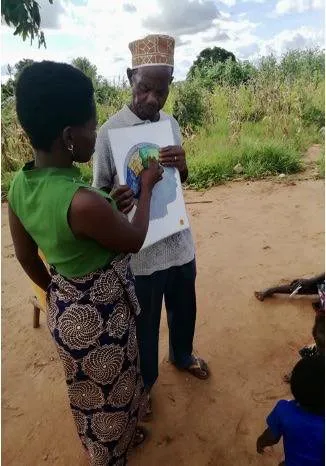
Session 4: Regulation
The objective for this session was for Activistas to learn about emotional and physiological regulation, including how to self-regulate. The session took Activistas through a process of understanding ‘triggers’ and “false alarms”. The session used an interactive ‘regulation thermometer’ poster to help Activistas notice their energy levels and emotions when experiencing stress and trauma. They were able to grasp the concepts of ‘triggers’ and ‘false alarms’ and to relate them to their individual lives and that of other IDPs at the center. Activistas gave examples of triggers and false alarms that they had experienced due the ongoing conflict. A good example of this was the issue of having armed security officers patrolling the IDP centers, which acts as a serious trigger for some of them, as it instills fear in them, and signifies the conflict is still ongoing. Further to this, Activistas understood the regulation thermometer and were excited to use it. They gave feedback that it is a simple tool for checking-in, which is easily understood. Each Activista was able to practice using the regulation thermometer to gauge their energy levels and to express their feelings on the same.
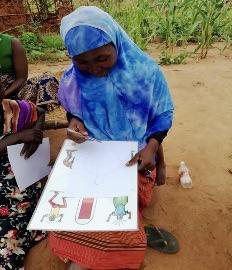
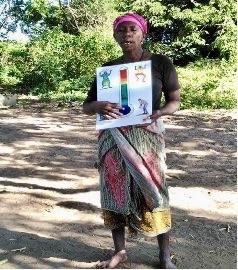
“The host community in the district we ran for refuge are not friendly. Even a mango that has grown in your compound belongs to them. They pick it whenever they want. It makes me angry every time and I think I have always been in red zone of the thermometer.”
Session 5: Journey of life
The purpose of this session was to give people a chance to explore their own life experiences, both positive and difficult, and to start to be able to integrate these experiences physiologically, and into personal life narratives. The session uses a storytelling approach, which takes participants through a process of self-discovery and personal awareness by exploring experiences that impact identity and sense of self. To do this, Activistas explore the story of “Anifa”, a woman who was displaced from her community due to conflict and war. The session introduces Activistas to the concept of ‘parts-of-self’, where they have a chance to explore their own “parts”: the victim (goat), the fighter (crocodile), and the wise one (lion). Activistas gave feedback that the story of Anifa was well contextualized, and most of them could relate with the story. They s shared their stories of relationships, work, displacement, losing family members, and frustrations of living in an IDP centre. A key highlight was the issue of hostile host communities, who feel the IDPs are encroaching on their land and taking their resources. Host communities do not also understand why IDPs are provided with food, while they struggle to look for food. This has led to further conflict between IDPs and host communities.
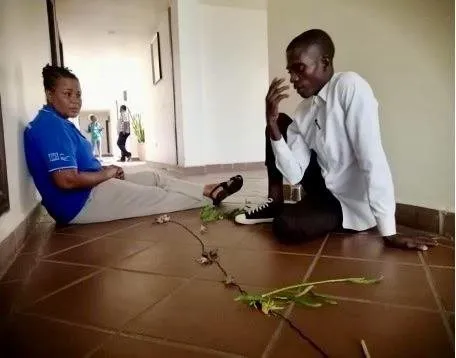
During the session, Activistas not only analyzed Anifa’s story, but also had an opportunity to share their own Journey of Life, and to witness the Journeys of others. Through this process, Activistas embarked on a journey of deeper healing, where they were able to have compassion and affection for themselves through connecting with the different parts of self, feeling emotions, and recognizing how emotions affect behavior. After the exercise, some Activistas shared that the activity had been quite heavy for them, but it had helped them to process their emotions, especially their thoughts and feelings. One participant shared that he had never opened up about what happened to him and his family, but this session gave him an opportunity to finally open up and share after listening to their partner sharing. Some participants also shared that the activity made them realize how much the conflict had affected them mentally and emotionally.
Session 6: Resilience, personal wellbeing assessments, & closing
The purpose of this session was to increase Activistas’ understanding of resilience and coping skills to enable them to cope with stressors. Activistas learnt about risk factors and protective factors that affect resilience. They explored different coping skills and had a chance to practice the coping skills. In identifying and practicing coping skills, Activistas are able to develop an understanding of how to move forward despite having experienced compounded stress and multiple traumas. Facilitators emphasized to Activistas on the importance of taking advantage of existing resources within the IDP centers, as these are important protective factors. These include services being provided such as temporary schooling for children, health services, childcare services, among others.
Some of the Activistas expressed their desire to return to their homes, farms, families and communities, and did not expect to stay long at the IDP centers. Based on this, one of GTP’s facilitators who has had an experience of being a refugee, discussed his experience and encouraged Activistas, by sharing about the importance of taking advantage of existing resources at the IDP center, as one does not know how long they may need to be there.
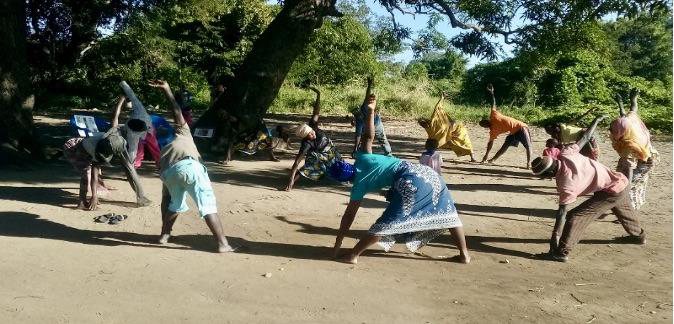
“We have been given health assistance services at the IDP center, but I have been feeling hopeless and did not see it as a way of increasing my resilience. I have learnt a lot now and I encourage our colleagues to make use of the available services in the centers to our advantage.”
This session also introduced Activistas to the concept of ‘Joy’. Facilitators took Activistas through a process to think about, visualize and connect with Joy in their lives. Since the previous sessions focusses on many emotions that may be considered difficult or negative such as anger, sadness and hurt, this session helped Activistas to feel and strengthen the positive emotion of “Joy”. Additionally, this session prepared Activistas to conduct personal wellbeing post assessments at the end of the community healing workshop sessions. Activistas will undertake the same assessments they undertook in TICE Session 1, to notice if they have changed and how they have changed. These include the written Wellbeing Assessments, the Heart Rate Variability Assessment for Activistas, and Wellbeing Assessments for participants who will attend the community workshops. (*Please note that analyzation of the assessments is not covered under the current programming).
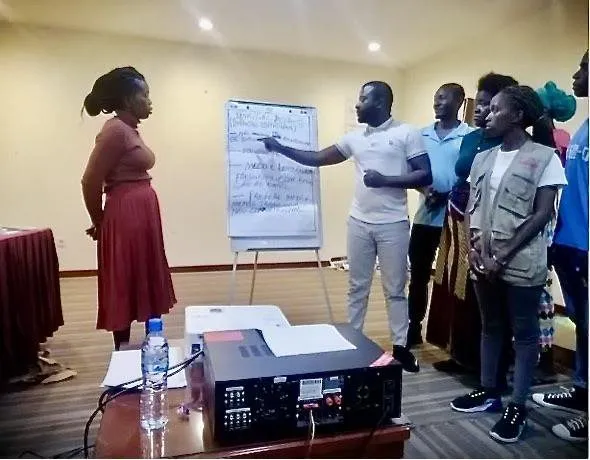
Practicing facilitation skills
In addition to teaching the Activistas how to facilitate the sessions, they also received support in practicing their facilitation skills. Facilitators took Activistas through various participatory training techniques and methods, using practical examples from their own facilitation experiences. The focus of the TICE sessions was to ensure that Activistas are properly trained as facilitators, able to effectively implement the community workshop series. After learning the training content, and experiencing the process, Activistas demonstrated their understanding and mastery of content by practicing facilitating the TICE sessions. Activistas were grouped based on their centers where they practiced facilitation skills and made a presentation on an assigned session of the TICE workshop guide. This helped ground the TICE concepts and enabled Activistas to practice their facilitation skills using participatory training techniques. They also received feedback on their training facilitation, knowledge of TICE content, and co-facilitation from lead facilitators, other Activistas and partner organizations attending the training.
From this session, Activistas strengthened their facilitation and support skills and were able to utilize a variety of facilitation techniques including presentations, group discussions, practical exercises, and regulation activities to facilitate sessions. They were also able to expound on the TICE images to create understanding of the concepts including use of relatable context specific examples.
Planning for community workshops
Facilitators discussed with Activistas, CARE and Ophavela on how to mobilize participants, including which participants to mobilize and the selection criteria. In addition, Activistas were paired up in twos or threes depending on the center they are based in. Activistas were also issued with TICE training materials.
What went well?
This is based on the TICE training community workshop evaluation by Activistas and partner organizations.
- A clear introduction to the TICE program in session one allowed participants to become aware of the scope and objectives of the project. The themes and topics to be discussed in each session were made clear at the start of each session.
- Outlining group norms and guidelines was essential to maintain respect and personal boundaries. Identifying goals and self-objectives was seen as helpful.
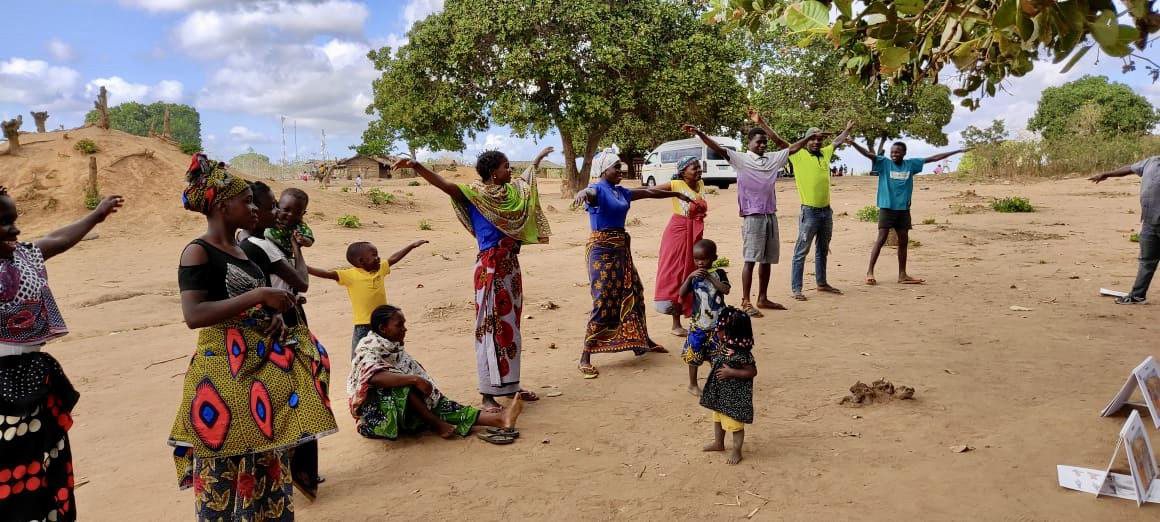
- Using relatable metaphors to educate and understand issues surrounding mental health was very effective. For example, the boat showing wear and tear. Participants enjoyed the up-regulating activities (playing ball, singing, dance) as they added a lightness and playfulness to the session where serious, heavy topics were being discussed.
- Creating a safe space for people to open-up, share their stories and speak freely was experienced as highly valuable. Confidentiality and a non-judgmental attitude were appreciated by the members, as this was often not the case in their own communities.
- Group discussions and pairing participants was effective in enabling participants to open up and share. Participants expressed the value in learning about trust building amongst the group, and how this would translate to their personal lives.
- Translating further into local vernacular where necessary proved effective for participants to understand the information thoroughly was effective.
- There was effective collaboration between CARE, Ophavela and GTP as everyone understood their roles and ensured they did their part for effective delivery of the training.
Challenges
- Activistas low literacy levels. Training Facilitators observed that some of the Activistas had low literacy skills, with a limited understanding of the Portuguese language, which necessitated further translation into the local language.
- 8 of the Activistas dropped out. CARE recruited and oriented 8 new Activistas but these are not trained as Facilitators of Community Workshops. Activistas dropped out due to the following reasons: One female Activista from Chiure suffered from domestic violence by the partner hence quit, another Activista fled to their zone of origin, 3 Activistas dropped out due to unknown reasons, and they did not cite their reasons for dropping out while 1 Activista dropped out due to a conflict with Ophavella policies.
- During follow-up, GTP realized that all selected team leaders were men and did not have access to mobile phones with WhatsApp capability to facilitate weekly mentorship calls. As a result, GTP provided guidance on re-selecting team leaders to ensure gender balance and mobile phone access with WhatsApp capability.
- The TICE training combined both Activistas and partner organizations staff. This at times led to a mis-match in experience sharing within the 2 groups, hence a few Activistas did not feel comfortable to share their experiences with partners in the room. Activistas had experienced high levels of stress and trauma and would have benefitted more if they had experience sharing sessions on their own.
- Activistas and CARE staff have only been trained on TICE Level 1 (Facilitator of community workshops)
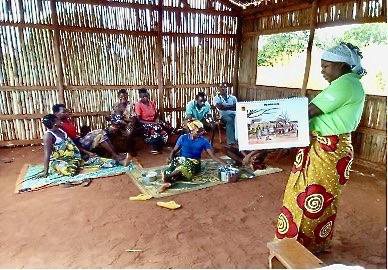
“I used to think a lot about the situation back home and feel very helpless. These sessions have helped me to regulate my feelings of helplessness, which has reduced my stress levels.”
Recommendations
- In future programming, GTP should be involved in providing the selection criteria for Activistas based on the TICE selection criteria requirements and taking into account the local context and literacy levels of the target population.
- Train additional Activistas in future trainings who can act as a back-up in case some of the Activistas drop-out. In addition, GTP recommends that CARE follows-up with the Activista who dropped out due to Ophavella policies to better understand and provide feedback to Ophavella on the same. In addition, it would be critical for CARE to explore the support provided to the Activista who dropped out due to domestic violence.
- Integrate gender issues at the project design stage to ensure gender issues are addressed, especially creating spaces for women and girls to be heard and seen.
- Conduct separate trainings for Activistas and partner organization staff. This is because Activistas had different lived experiences from partner organization participants.
- Consider conducting a Level 2 Training for TICE Facilitators, to have in-country resource persons who can provide additional training and support for sustainability purposes.
Community workshop sessions
7.1 Community workshop sessions design
Community workshop sessions were designed to take place in the resettlement centers. These were designed as 5 cycles of community workshops, each lasting three weeks. The 45 Activistas worked in pairs of 2 or 3, with each team facilitating 2 community workshop sessions per week, and each session lasting for 1.5 hours. GTP also shared the participant selection criteria with the Activistas to help them select and mobilize participants (see Annex 1: participant selection criteria).
7.2 Participant recruitment
The program applied intentional recruitment of those affected by trauma at the IDP camps. GTP developed and shared a participant recruitment form and participants selection criteria with Activistas. Activistas mobilized and recruited participants within their centers to participate in the community workshops.
7.3 Trauma healing community workshops
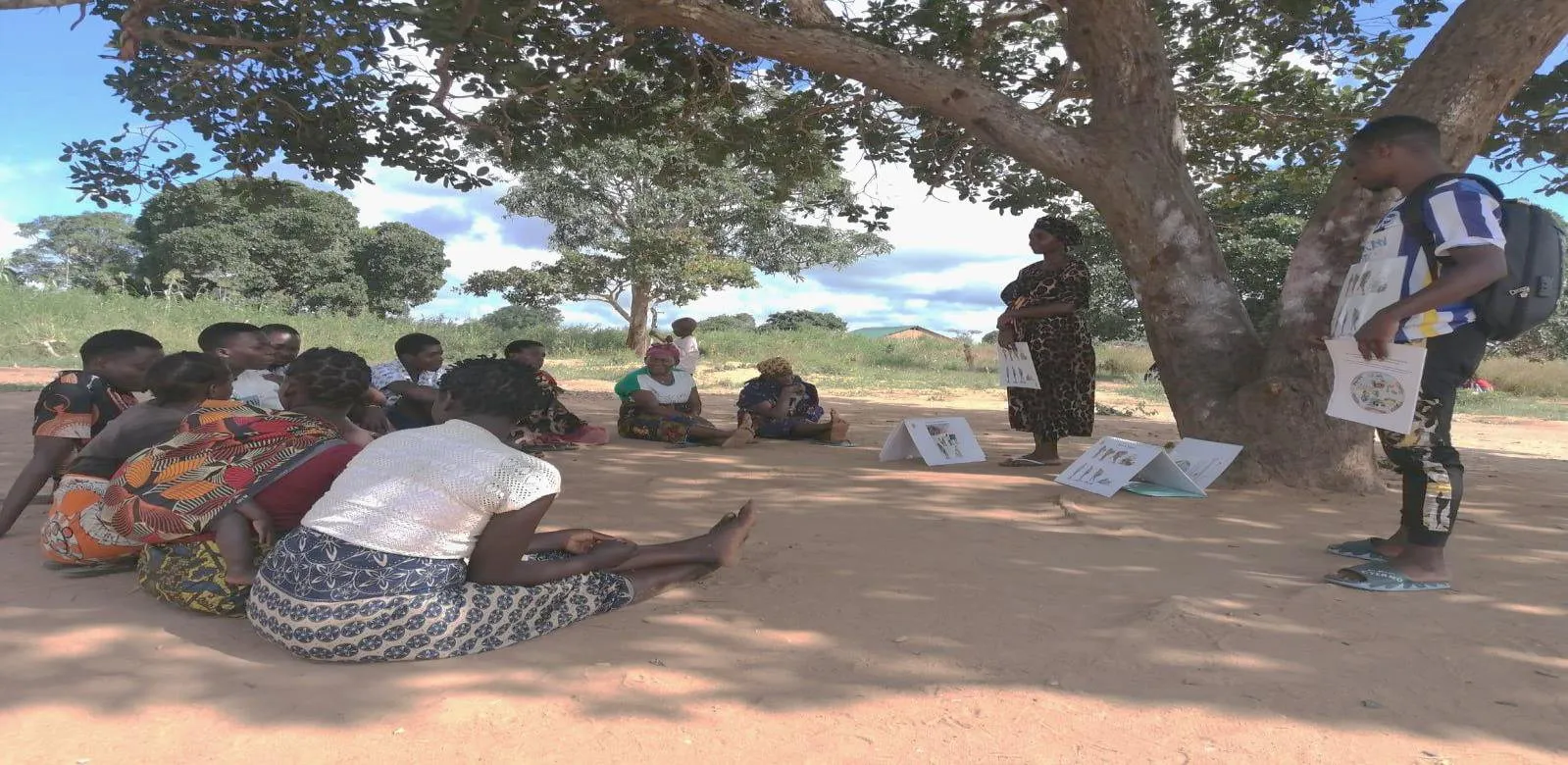
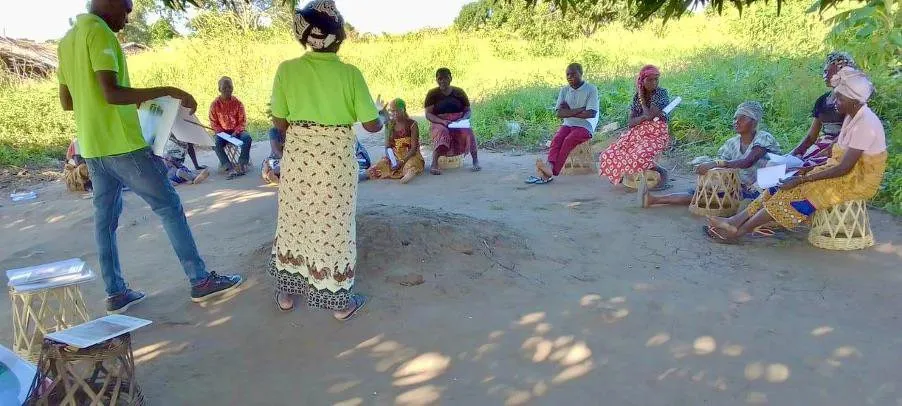
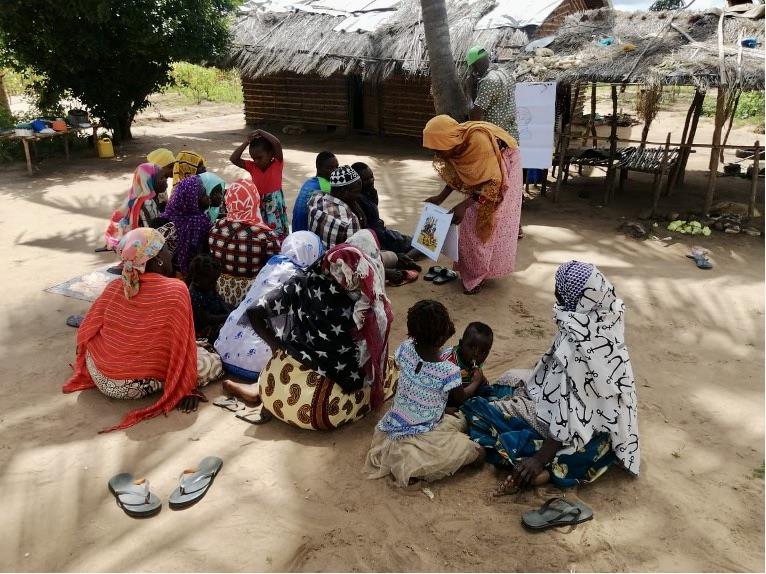
Activistas conducted trauma healing community workshops reaching 2,800 (2,100F, 700F) IDPs in 3 Districts, using the Trauma-Informed Community Empowerment (TICE) workshop guide and materials. Activistas also supported data collection efforts by administering well-being assessment tools. Community workshop sessions successfully created safe spaces that enabled participants to form friendships and supportive relationships within the groups which has created a sense of belonging. The sessions enabled them to build social networks, relationships of trust, group membership and to have access to wider institutions of society through referrals and linkages to existing resources.
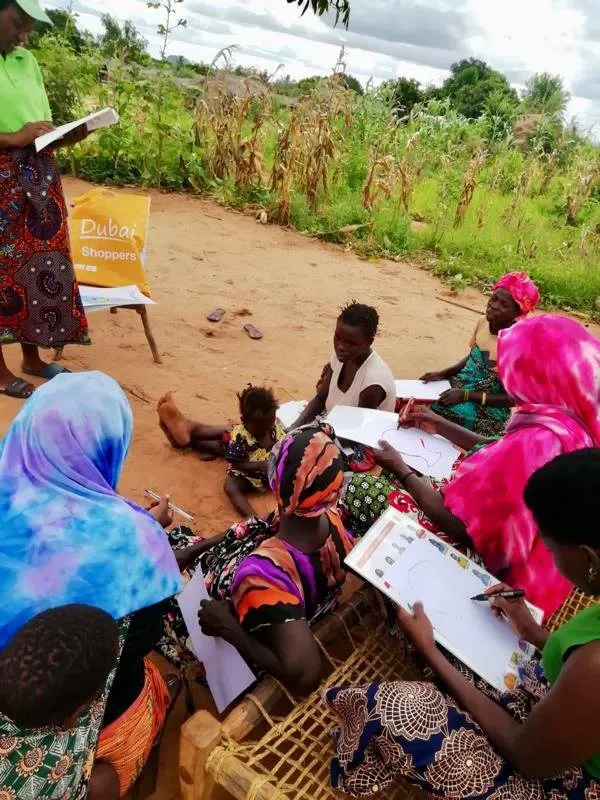
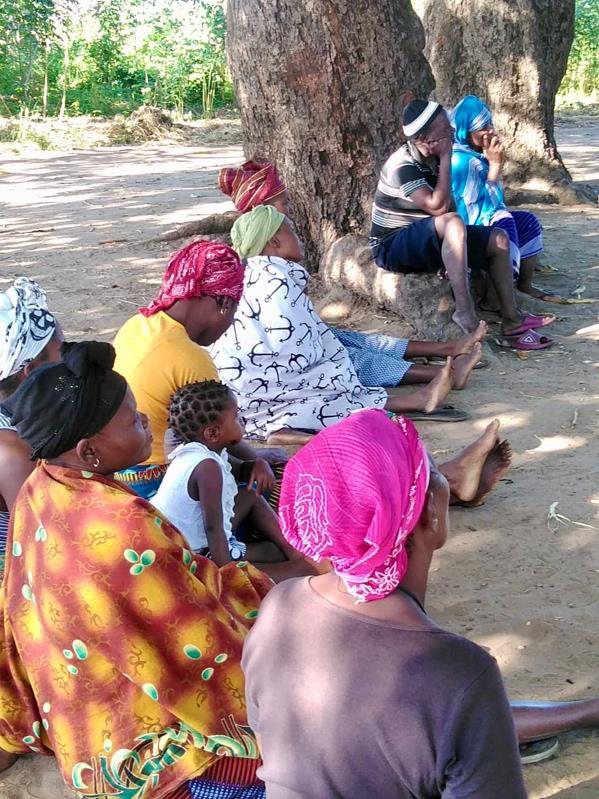
“I saw my siblings get killed infront of me. I have been completely numb and I had lost my voice. These TICE sessions helped me as I learnt that I was not alone. I realized others were dealing with traumatic experiences as well”
Feedback from Team Leaders showed that, in the first session, Activistas were not confident in their own capabilities to facilitate the workshops. However, in the second session their confidence grew rapidly, and they began to answer questions from participants in more detail. In addition, some participants were not comfortable sharing in the first week, but their confidence and comfort grew in the second and third week, where they were comfortable sharing their stories and opening up. As sessions progressed, cooperation, comfort and a sense of solidarity began to form amongst the participants. For example, participants that had a higher level of education assisted participants that were illiterate, in understanding the content. Furthermore, participants explained to each other in vernacular when others did not understand.
Challenges
- Some of the community workshops sessions were conducted in mixed groups sessions of men and women.
- Some of the Activistas reported experiencing burnout and secondary trauma.
- 1 and 1/2 hours set for weekly community workshop sessions was not enough, as some sessions took longer to complete.
- Language barrier was identified as an issue, as some participants needed the content to be translated further from Portuguese into local language for better understanding.
- Some participants complained about the short-duration of the program and kept requesting if they could continue attending the sessions even after the 3 weeks were over.
- Participants requested to be provided with writing materials in the form of notebooks and pens.
- Identify and ensure additional mental health support for participants who present with more acute and critical needs through putting in place effective referral mechanisms. This could be provided by local agencies offering professional mental health services, or by a stand-by counselor if no local services are available.
- Limited support supervision during community workshops to provide Activistas with ongoing support.
- The current trauma healing component of the program is not sustainable as it not designed in such a way that Activistas will continue to provide community-based healing sessions.
Recommendations
- GTP recommends workshops sessions to be gender specific to allow both women and men to freely express themselves on these sensitive topics. This also provides an opportunity to address harmful gender norms by engaging men in violence prevention and response. Some mixed gender sessions could be planned in an intentional way, where both groups come together for experience sharing in one of the sessions.
- Introduce monthly therapeutic well-being sessions for Activistas to prevent burnout and manage secondary trauma. GTP to include and conduct sessions on basic counseling skills for Activistas. GTP to provide monthly group therapy sessions for Activistas through the GTP counselor.
- Increase the length of weekly community workshop sessions to allow for more time to complete the material and activities including experience sharing by participants.
- Ensure Activistas are selected from different local languages to cover/cater for translation during community workshop sessions. Additionally, provide translators for community workshops in centers where language barrier is a challenge, who can translate further into local language.
- Consider extending the duration of the program to allow participants to attend more healing sessions if they wish. GTP to develop/ contextualize a “Level 2” of the TICE program (TICE sessions 7 to 10) which is optional for participants, after they complete sessions 1 to 6.
- Provide participants with writing materials to enable them to take notes and learn the material more effectively.
- Strengthen referral systems to provide additional counseling support. GTP to include sessions on referral systems both in the TICM and TICE trainings to ensure effective referrals are conducted within the programs. Mental health providers should be identified, who can provide a second level of support for more serious mental health concerns (i.e- suicidality or risk of harm to others).
- Strengthen support supervision. Activistas require ongoing mentorship, technical support, and support supervision, to be able to manage various emerging issues in the community workshops.
- GTP and CARE to review sustainability of the trauma healing program and discuss how to integrate sustainability in future programming.
Team leaders mentorship sessions & online adaptions
8.1 Mentorship sessions design
Initially, GTP planned to conduct weekly online mentorship sessions with all Activistas. However, during project design, this was deemed infeasible due to logistical challenges, such as internet access and translation. Instead, GTP adapted the plan to conduct weekly online mentorship sessions with team leaders. Team leaders were also expected to hold weekly in-person mentorship sessions with Activistas at their respective centers. The TICM Leadership team noted that it would be challenging for GTP to provide direct mentorship to Activistas due to various logistical challenges. The mentorship meetings were intended to provide additional support and mentorship to team leaders and Activistas throughout the community workshop sessions.
8.2 Selection of team leaders
7 team leaders were selected from the leaders/representatives of the Activistas in the centers. They were supported by a team of 10 Technicians who are the supervisors of the Activistas. Their role was to i) work with a team of assigned Activistas to plan effectively for the implementation of community workshops, ii) supervise assigned Activistas and submit monthly reports, iii) assist in the facilitation of community workshops in cases where an Activista was not available, and iv) provide technical support to Activistas on administering Personal Wellbeing Assessments.
8.3 Mentorship sessions
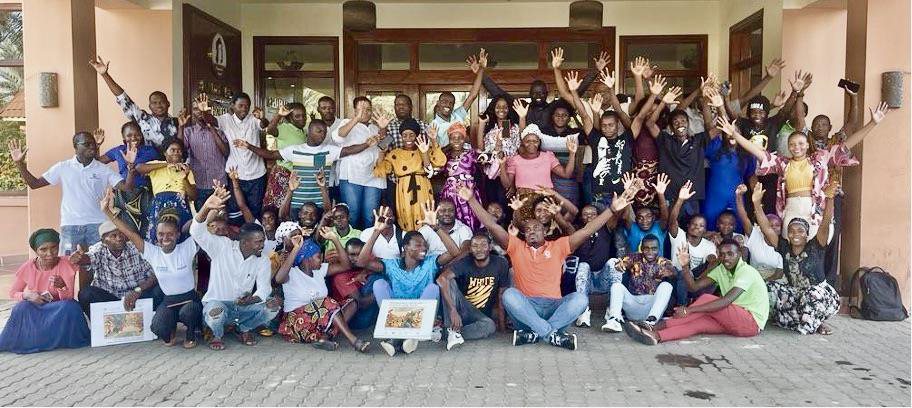
GTP has been conducting weekly mentorship sessions with Team Leaders to check-in on their well-being, review training content, share experiences and challenges and address any emerging issues from the community workshops. Team Leaders have found the sessions helpful for sharing experiences, grounding TICE concepts, and reporting on ongoing community workshops. The sessions also provide an opportunity for Team Leaders to model GTP’s process and reflect on their personal and professional welfare while navigating the increasing stresses of conducting community workshops. Team Leaders have bonded during these sessions, creating a deeper level of safety, trust, and professionalism. These meetings have been instrumental in providing technical support, clarifying issues and training content, and helping Activistas plan effectively. Any challenges faced by Team Leaders are addressed, and any questions about the content itself are answered. The meetings have become an interactive forum for Team Leaders to meet, share their experiences with each other about the community workshops, the challenges they faced, and specific aspects that worked well. GTP has observed that Team Leaders have mastered the content and internalized the TICE concepts. They have also shown increased levels of confidence and are delivering the content adequately during the community workshop sessions. Having a cadre of Team Leaders who can provide the necessary technical support, guidance and support to Mentors on the ground has proved very useful in ensuring Mentors feel supported. There is need to continue utilizing this cadre of Team Leaders in future programming.
Challenges
- Communication/ technology was a barrier in conducting effective weekly mentorship sessions with Team Leaders. This was due to internet connectivity challenges and use of WhatsApp platform to facilitate the weekly mentorship sessions.
- There was a challenge of delays in team leaders receiving data bundles, which affected consistency of attendance by Team Leaders in the weekly sessions.
- Not all Activistas participated in the weekly mentorship calls, due to logistical and technology challenges. Only 7 Team leaders participated in the weekly sessions.
- Team Leaders requested for additional TICE materials for ongoing learning and to be provided with additional training and networking opportunities.
Recommendations
- GTP recommends for CARE to invest in communication/technology to facilitate Team Leaders and Activistas attend weekly mentorship sessions. This could be in-form of mobile phones, or 1 laptop per center.
- CARE to establish a reliable system for the timely provision of necessary resources such as data bundles to prevent delays and ensure consistent attendance.
- Weekly mentorship sessions should be conducted with all Activistas and not just Team Leaders. CARE to improve facilitation for all Activistas to participate in mentorship and check-in calls.
- GTP to include enrollment and access for certified Activistas to join a formalized network platform, where they can access additional learning resources. This platform could be an application, or other such platform best determined for accessibility.
8.4 TICE program graduation
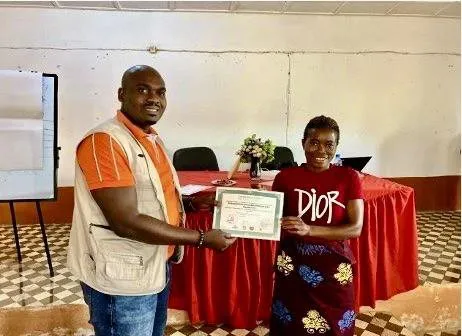
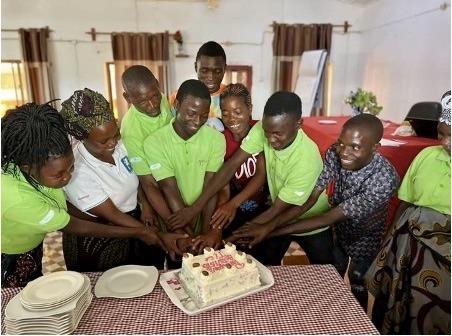
CARE held 3 graduation ceremony for Activistas for each of the 3 IDP centers in the month of September 2023. The graduations were adapted to suit the local context and needs due to logistical issues of bringing all the ctivistas together in one venue. GTP attended the 3 graduation ceremonies online to celebrate Activistas completion of the TICE Level 1 certification program and to take stock of the milestones made by Activistas and participants in completion of the 6 community workshop sessions. Activistas shared their experiences and learnings throughout the program and were issued with their certificates as they commemorated the graduation by cutting a cake.
Referral system
The trauma healing project incorporated a referral system for specialized services through partnerships with other existing organizations offering such services in target communities. CARE shared that they had a list of referral points, and shared referral contacts with team leaders and Activistas for all available services, especially counseling services.
Challenges
- Missing referral database to facilitate Activistas to conduct effective referrals.
- Limited feedback mechanisms. There was need to create a feedback loop system where participants could give feedback on if they received the referral services. There was no single referral made on mental health or psychosocial support needs, apart from GBV referrals. This shows there was need to provide additional support to Activistas on referral of mental health concerns.
Recommendations
- Put in place a harmonized referral database to be shared with Activistas to facilitate them to conduct effective referrals.
- Strengthen participants feedback mechanisms both in-person and virtual to ensure effective referrals are conducted. Put in place/strengthen existing feedback mechanism for ongoing feedback from both Activistas and participants to continuously adapt and improve the program. GTP to include sessions on setting-up effective feedback mechanisms in both the TICM and TICE training.
Monitoring, evaluation & learning (MEL)
GTP utilized assessment measures developed with its research partner, the New School for Social Research, to assess the achievements and impacts of the Reconstruir trauma healing program. The following impact assessment measures were tailored for the Reconstruir program:
10.1 Personal well-being assessments
Personal Wellbeing Assessments are administered with Team Leaders, Mentors & Mentees at the start and at the end as a pre-post assessment. Personal Wellbeing Assessments were administered with Activistas at the start of the training and will be administered at the end of the community workshops for both Activistas and participants as a post assessment (see Annex II: Activistas and participants well-being assessment forms). The personal well-being assessments chosen are as follows:
| Measure | What it assesses |
|---|---|
| Harvard Trauma Questionnaire (HTQ) | Assesses symptoms or experiences that people sometimes have after experiencing hurtful or terrifying events in their lives. It uses a scale of 1-4 to indicate how much these symptoms or experiences bothered a participant in the past week. |
| Patient Health Questionnaire (PHQ 9) | A multipurpose instrument for screening, diagnosing, monitoring and measuring the severity of depression. |
| Aggression Behavior Scale (ABS) | Measures aggressive behavior and is often used to inform initiatives focused on violence prevention amongst youth. Participants assess how many times they have done 11 aggressive behaviors within the past week. |
| Brief Resilience Scale (BRS) | A self-report measure that assess an individual’s 1) ability to “bounce back” or recover from the stress of a trauma or series of traumatic events, and 2) the coping strategies they used to manage the trauma and stress. |
| Social Support | Designed to measure perceptions of social support and satisfaction with that social support. |
10.2 Heart rate variability (HRV) assessment
GTP conducted Heart Rate Variability (HRV) Assessment with Activistas as a form of pre and post assessment. The intersection of trauma, emotional wellbeing, and resilience can be measured in the body through Heart Rate Variability, an index of psycho-biological health. HRV is the variation in the time interval between heartbeats and indicates an individual’s capability to endure and overcome stress. 40 participants undertook the HRV test, with a few of the participants sharing concerns related to their HRV results. The 2 facilitators conducted one-on-one counseling support sessions for the participants, and further shared regulation and self-care activities that they could undertake to regulate themselves. In addition, GTP took Activistas through the monitoring tools which include: i) the weekly Activistas reporting form and ii) the participants community workshops attendance form.
Although the data collection has been done, GTP has not contractually been given the assignment and resources to analyze the data and provide an impact evaluation report. This component is done by GTP in collaboration with its research partner, the New School for Social Research and could be done at a later point if requested.
Challenges
- The trauma healing MEL component was monitored and evaluated by GTP. However, the data analysis component conducted by GTP’s research partner, the New School for Social Research, was not included in the contract and is outside the current scope of GTP’s contract. Based on this, GTP cannot provide detailed impact assessment data and findings on improved levels of stress, depression, coping and other indicators of trauma. However, please note that analyzation of the assessments was not covered in this project funding, therefore, findings will not be included.
- The trauma healing component as it is currently designed is not sustainable without CARE funding and GTP technical support. Without additional support, Activistas will not be able to continue implementing community-based healing initiatives.
Recommendations
- GTP held a meeting with CARE and If additional funding becomes available for analyzing this data and reporting on the outcomes, GTP will be able to provide this service, as it is viewed as critical for understanding the deeper impacts and outcomes of the program beyond the output data.
- GTP recommends the following to enhance sustainability of the trauma healing program:
- GTP to include enrollment and access for certified Activistas to join a formalized network platform, where they can access where additional resources. This will also create an online
- Establish Activistas peer support groups. Encourage Activistas to form small peer support groups to share experiences, provide emotional support, and offer mutual encouragement.
- Provide resources and training to Activistas on how to lead and facilitate peer support groups, to ensure they are functioning effectively and providing value to participants.
- Facilitate partnerships between CARE, GTP and local organizations to ensure that the trauma healing program is integrated into other broader community support systems.
- Explore opportunities to secure additional funding to develop a sustainable funding model for the trauma healing program.
Feedback from Activistas
The TICE trauma healing program is an effective trauma-informed community empowerment program that has demonstrated significant impacts on the lives of the Internally Displaced Persons (IDPs) who have participated in the program. The program is helping IDPs to heal from their trauma, rebuild their lives, and contribute to their communities. Key trauma healing outcomes of the TICE program highlights the tangible impacts and transformative power of trauma-informed interventions. The feedback highlighted below were developed and shared by both Activistas and participants, and are based on the experiences, learnings, and observations of all involved. Feedback was gathered through After-Action Reviews during the weekly mentorship sessions with Team Leaders and through self-reflection, and experience sharing sessions during the Activistas graduation ceremonies.
1) Post-traumatic growth
Participants are developing positive outcomes in the aftermath of trauma, such as increased resilience, coping skills, and self-awareness. Below, is a powerful example of post-traumatic growth, which is the ability to achieve positive outcomes in the aftermath of trauma.
“A participant who had lost their home and farm to insurgents was able to rebuild their house and start a new farm after the sessions. I held a one-on-one session with the participant where I discussed post-traumatic growth and the importance of bouncing back. Recently, I got a phone call from the participant who updated me that he has managed to buy another piece of land and has now built another house.”
“I had a lot of anger issues due to the injustice, but through the trauma healing sessions, I have learnt there is post-traumatic growth and chosen forgiveness, so that I can move on with my life.”
Participants are learning how to manage stress and adversity. Participants gained a comprehensive understanding of false alarms and triggers, and how they influence their behavior and feelings. They are developing effective coping mechanisms for dealing with their triggers and false alarms.
2) Empowerment
Participants are taking control of their lives and making positive changes. They are becoming more self-sufficient and contributing to their communities. Some of the participants have stopped depending on aid and have now gone back to farming their lands and providing for themselves as a primary means of sustenance.
“Since we had been displaced, we did not have a place to farm in the host communities. I searched and got over 20 farms for participants to farm, which they planted, and they now have food.”
Participants are becoming more proactive and engaged in their recovery and daily lives. The analogy of mending an old and worn-out boat in the first TICE session resonated with most of the participants, motivating them to be proactive in their recovery and daily lives. Participants have rejuvenated their active roles in daily tasks such as farming and household chores. Many expressed a continuous commitment to “mend their boats,” symbolizing their resolve to heal and progress.
“I went searching for displaced people from my village and I found them sheltered in a school, feeling lost and uncertain about their future. I conducted TICE sessions with them, introducing them to the concept of post-traumatic growth and sharing a facilitator’s story of life in a Kenyan refugee camp. Through this, I was able to instill hope and the idea of new beginnings. I encouraged them that it is important to re-start their lives again, and not give up, and they have now stopped feeling stuck.”
“One of the participants from my group goes to a church where they don’t believe in going to hospital to get treated when they fall sick. Due to sharing the boat story and the concept of self-care, the participant realized the importance of taking care of himself, and in making his beliefs logical.”
3) Increased sense of safety and security
Some of the participants are experiencing less fear and are now able to engage with other community members and in community activities.
“One participant was initially very fearful and anxious of talking to people. Through participating in the TICE sessions, she has now started interacting with other participants.”
“I had a neighbor who feared talking to anyone. She would also not respond when you talk to them. I visited my neighbor and took them through the story of Anifa. I also invited her to participate in the TICE sessions, and from that day my neighbor has really changed. She is now talking and has been friendly towards other people.”
“I had some participants who were initially afraid of leaving their homes, but they have now started going out and participating in community activities such as farming after the sessions.”
4) Building social capital
Participants are forming supportive relationships and building community ties. The program has fostered safe environments where participants were able to form meaningful friendships and support groups, enhancing their sense of belonging. Some participants went from isolation to actively socializing, indicating improved interpersonal skills and relationships. Some participants who were initially very isolated and withdrawn was able to form close friendships with other participants after the sessions. In addition, the formation of support groups and networks, ensures participants have more avenues to seek help and share their experiences.
“I had a participant who had shut down, would not go to the farm and completely isolated himself a lot in the camp. But after the sessions, he was able to start interacting with other participants.”
“I formed a women group made up of 21 women from the TICE sessions, which meets on a weekly basis to share experiences, encourage each other, dance, and sing. This has helped the women cope positively with their traumas and has given them a sense of belonging.”
5) Increased self-awareness and self-esteem
Participants are developing a more positive self-image and increasing their self-esteem. Activistas observed increased levels of confidence and self-esteem, with previously isolated participants now actively sharing their experiences and socializing. They also observed improvements in participants’ punctuality and grooming indicating the program’s success in fostering positive behavioral shifts.
“Myself as an Activista, I had a very low sense of self-esteem, and did not value myself much. Through participating in the TICE program, I have improved my self-esteem.”
“I had some participants in my group who were initially extremely isolated and shy during the first session, but as the sessions continued, they started opening up and were able to share their experiences.”
“I had a participant who was very short, and always isolated himself from the group. I asked him why he sits alone all the time, and he said, people don’t want to be seen with me because I am very short. I encouraged him to start interacting with other participants and other people at the camp. He has now started interacting with other people and now he has made a few friends.”
6) Improved anger management
Participants are learning how to manage their anger more effectively and to be more tolerant of others. TICE tools like the “regulation thermometer” have been particularly effective, with some participants reporting being able to control their anger and becoming more tolerant towards others.
“The TICE training, I received has helped me to manage my anger, as I have learnt regulation activities that I use to regulate themselves and I shared my experience with participants to also help them manage their anger.”
“One participant told me they did not see the value of attending the sessions as there was no financial gain. He had a lot of rage and would respond to me angrily at times during the sessions. However, he learnt how to self-regulate himself using the regulation thermometer and coping skills with stress. He has now changed and learnt how to manage his anger.”
“There was a neighbor who kept beating his wife, I invited him to the TICE sessions, and held a one-on-one session with him. I asked him why he beat his wife, and he said he was seething with anger due to being displaced. After undergoing self-regulation exercises and the story of Anifa, he really changed and stopped beating his wife. Now, whenever he is angry, he goes out to the farm.”
7) Improved sleep patterns
Participants are sleeping better and experiencing fewer triggers. Some of the participants have reported improved sleep, suggested effective processing and coped with traumatic experiences.
“A participant could not sleep and kept experiencing triggers, as she kept remembering and reflecting on what happened to them when they were displaced from their home. The sessions helped her to process what had happened to her and she’s now able to sleep.”
“I have been sleeping better since attending the sessions. I kept having flashbacks that would paralyze me, but I am learning to overcome them by doing activities that I like and helping others”
8) Improved spiritual well-being
Participants are reconnecting with their spirituality and finding comfort and strength in their faith. Given the religious context, some participants who had lost their faith due to their trauma were able to reconnect with their spirituality after the sessions.
“TICE sessions always start and end in prayers. This has united us as there is no discrimination against any religion during prayers.”
“The prayers help to unite us. It has helped us to tolerate and understand each other.”
9) Positive shifts in perspective
Through sharing stories and experiences, participants have moved from feelings of hopelessness and despair to a more optimistic outlook on life. Tools and narratives provided by TICE, such as the story of Anifa, have been pivotal in these transformations. Through sharing stories and experiences, participants have moved from feelings of hopelessness and despair to a more optimistic outlook on life.
“The story of Anifa is the story of most participants’ lives. Most of the participants could relate with Anifa’s story as it spoke directly into their lives”
“One participant told me that Anifa’s story is the story of her life. When the story of Anifa was read in the session, she was overwhelmed and started crying. She said it made her realize how much she had been carrying, and that the sessions helped her to understand how she could manage her stress”
10) Building a cadre of community resource persons
The TICE program is also developing a group of community mental health volunteers (Activistas) who are equipped to offer basic trauma-informed support. This will help to ensure that the benefits of the TICE continue to be felt in the community long after the program has ended.
Summary of challenges, identified needs and recommendations
The following challenges, needs and recommendations were gathered through discussions and feedback from Activistas and Team Leaders during the weekly mentorship sessions and during the Activistas graduation ceremonies. GTP led feedback sessions with Team leaders and Activistas to reflect on their experiences in the program in terms what they had learnt, how the program has impacted them, and what they recommend for future programs. The sessions covered a review of the TICE training materials, community workshop sessions, the weekly mentorship sessions themselves, and the overall structure of the program. By gathering feedback from Activistas and Team Leaders, GTP was able to identify common challenges and needs, as well as specific recommendations for improvement. The feedback and recommendations are useful as they can be used to make changes to the program to ensure that it is meeting the needs of participants and to identify areas of improvement for future programming.
| Challenges and needs identified | Recommendations for Phase 2/future programming |
|---|---|
| 1) Project design | |
| Host communities were not involved in the trauma healing program | Engage the host communities in future trauma healing programs to avoid conflict and hostility between IDPs and host communities.
Revise the GTP curriculum to cater to the needs of host communities, ensuring appropriate content and delivery methods. |
| Not all IDP centers were covered by phase 1 of the trauma healing program | Consider scaling-up the program to target the remaining IDP centers that were left out of the initial phase of the trauma healing program. Covering the remaining IDP centers will ensure that all IDP centers have access to the support they need to heal from the trauma they have experienced, and to create a more healing and inclusive environment for all IDP centers. |
| 2) TICM leadership training | |
| While the TICM sessions were conceived as a blend of interactive sessions with follow-up assignments, several challenges forced us to reduce the interactive component. | Ensure both in-person and online sessions are long enough to include participatory interactive sessions (a minimum of 6 hours per session is recommended). If sessions are online, ensure all participants have access to a stable internet connection. |
| The program was reduced from a 5 day, full-day, in-person training: to 5 days of 2-hour online sessions, spread out over a period of 5 months. This was due to travel insecurity, and lack of time and resources for the participants to attend a full 5-day in person training. This change meant that many assignments were to be completed by the Leadership Team independently between the sessions. These assignments were not always completed, which impacted the quality of the project design. | Consider conducting the TICM Leadership training in-person to allow for interactive sessions and a more participatory approach, as well as ensuring guided completion of all tasks within timelines. Ensure that the chosen Leadership Team has has adequate onboarding and understands their role and responsibilities within the program. |
| GTP held several additional follow up sessions to provide guidance and feedback for the TICM team to complete the project design and the training. | Provide support to the TICM team in completing the required activities. If in-person, this will occur with GTP support within the training days. If online, teams may not be able to complete assignments independently, and may require more support, such as check-in meetings in between training sessions. Identity how this will be conducted, and who will be supporting when online, to ensure assignments are completed. |
| The TICM leadership training relied on a translator meaning it took longer to deliver training content and gather feedback from participants. | Ensure finalized TICM training materials are translated in the language of delivery. Also Pre-test the translation services before the actual training. |
| The 5 days, 2-hour TICM online sessions were not adequate to cover all requirements. This meant the presentation and certification ceremony could not be held, due to time constraints. | Increase the length of the TICM training from 5 to 10 sessions to include 3 additional days for contextualization, 1 for work planning and 1 for certification presentation. |
| 3) Contextualization / training materials | |
| During the TICE training, Activistas expressed the need to offer healing initiatives for 10–14-year-olds. | Consider specifically targeting adolescents (10-14 years) as they are at a critical stage of development and may experience complex/development trauma and other adverse effects of trauma. GTP to contextualize curriculum for use with younger age cohorts below 17 years. |
| Community healing workshops participants mentioned the need for reference materials, that they could take-away to continue learning and sharing the information with others. | In Phase 2, GTP could contextualize a community healing workshops participants handbook, for use as a “take home” reference material. |
| Engagement and participation of TICM Leadership in the contextualization process was limited, due to time availability, translation challenges, access to technology. | Integrate formal contextualization sessions within the TICM program to ensure consistent participation, sufficient time, adequate translation and structured process. |
| 4) Activistas trauma healing training | |
| Training Facilitators observed that some of the Activistas had low literacy skills, with a limited understanding of the Portuguese language, which necessitated further translation into the local language. | In future programming, GTP should be involved in providing the selection criteria for Activistas based on the TICE selection criteria requirements. Further translation in local languages might be required in some cases. |
| 8 of the Activistas dropped out. CARE recruited and oriented 8 new Activistas but these are not trained as Facilitators of community workshops. | Train additional Activistas in future trainings who can act as a back-up in case some of the Activistas drop-out. |
| Activistas and CARE staff have only been trained on TICE Level 1 (Facilitator of community workshops) | Consider conducting a Level 2 Training for TICE Facilitators, to have in-country resource persons who can provide additional training and support for sustainability purposes. |
| 5) Community workshop sessions | |
| Some of the community workshops sessions were conducted in mixed groups sessions of men and women. | GTP recommends workshops sessions to be gender specific to allow both women and men to freely express themselves on these sensitive topics. This also provides an opportunity to address harmful gender norms by engaging men in violence prevention and response. Some mixed gender sessions could be planned in an intentional way. |
| Some of the Activistas reported experiencing burnout and secondary trauma. | Introduce monthly therapeutic well-being sessions for Activistas to prevent burnout and manage secondary trauma. GTP to include and conduct sessions on basic counseling skills for Activistas. GTP to provide monthly group therapy sessions for Activistas through the GTP counselor. |
| 1 and 1/2 hours set for weekly community workshop sessions was not enough, as some sessions took longer to complete. | Increase the length of weekly community workshop sessions to allow for more time to complete the material. It is important that people not be rushed through the material, which is very interactive, sensitive and personal. Enough time must be given to fully process the experience. If not, there is risk of re-traumatization, and reduced trust. GTP recommends evaluating if reducing the length of sessions of community healing workshop sessions had an impact on participants healing process. |
| Language barrier where some participants needed content to be translated further from Portuguese into local language for better understanding. | Ensure Activistas are selected from different local languages to cover/cater for translation during community workshop sessions. Provide translators for centers where there is a language barrier challenge. |
| Participants complained about the short-duration of the program and kept requesting if they could continue attending the sessions even after the 3 weeks were over. | Consider extending the duration of the program to allow participants to attend more healing sessions if they wish. GTP recommends evaluating if reducing the number of community healing workshop sessions had an impact on healing for participants. GTP to develop/ contextualize a Phase 2 of the TICE program (TICE sessions 7 to 10) which is optional for participants. |
| Participants requested to be provided with writing materials in the form of notebooks and pens. | Provide participants with writing materials to enable them to take notes and learn the material more effectively. |
| Weak referral system | Strengthen referral system to provide additional mental health support. Mental health providers should be identified, who can provide a second level of support for more serious mental health concerns such as suicidality or risk of harm to others. GTP to include sessions on referral systems both in TICM and TICE trainings to ensure effective referrals are conducted within the programs. |
| Limited feedback mechanisms. There was need to create a feedback loop system where participants could give feedback on if they received the referral services, and on general provision of services. | Strengthen participants feedback mechanisms both in-person and virtual to ensure effective referrals are conducted. Put in place/strengthen existing feedback mechanism for ongoing feedback from both Activistas and participants to continuously adapt and improve the program. GTP to include sessions on setting-up effective feedback mechanisms in both the TICM and TICE training. |
| Limited support supervision during community workshops to provide Activistas with ongoing support. Activistas require ongoing mentorship, technical support, and support supervision, to be able to manage various emerging issues in the community workshops. | Ophavella to strengthen support supervision during community workshop sessions and provide Activistas with ongoing support. In future programming, it is critical to put in place effective ongoing support supervision and to clarify this in terms of who is supposed to provide on-ground support supervision. |
| 6) Team leaders mentorship sessions | |
| Communication/ technology was a barrier in conducting effective weekly mentorship sessions with Team Leaders | GTP recommends for CARE to invest in communication/technology to facilitate Team Leaders and Activistas to attend weekly mentorship sessions. This could be in-form of mobile phones, or 1 laptop per center. |
| There was an ongoing challenge of delays in team leaders receiving data bundles, which affected consistency of attendance by Team Leaders in the weekly sessions. | CARE to establish a reliable system for the timely provision of necessary resources such as data bundles to prevent delays and ensure consistent attendance. |
| Not all Activistas participated in the weekly mentorship calls, due to logistical and technology challenges. | Weekly mentorship sessions should be conducted with all Activistas and not just Team Leaders. CARE to improve facilitation for all Activistas to participate in mentorship and check-in calls. |
| Team leaders and Activistas requested for additional TICE materials for ongoing learning and to be provided with additional training and networking opportunities. | GTP to include enrollment and access for certified Activistas to join a formalized network platform, where they can access where additional resources. This platform could be an application, or other such platform best determined for accessibility. |
| 7) Monitoring, evaluation & learning | |
| The trauma healing MEL component was monitored and evaluated by GTP. However, the data analysis component conducted by GTP’s research partner, the New School for Social Research, was not included in the contract and is outside the current scope of GTP’s contract. Based on this, GTP cannot provide detailed impact assessment data and findings on improved levels of stress, depression, coping and other indicators of trauma. | Include analysis of impact data for the trauma healing component into the program budget. Ensure all data is analyzed and included in an Impact Report, where findings can be disseminated locally and internationally. Ensure funding for developing papers for publication, and for identifying dissemination opportunities that could also include presentations by Activistas. |
| The trauma healing component as it is currently designed is not sustainable without CARE funding and GTP technical support. Without additional support, Activistas will not be able to continue implementing community-based healing initiatives. | GTP recommends the following to enhance sustainability of the trauma healing program:
|
Proposed next steps
- Conduct closing meeting and validation of report with CARE Reconstruir team.
- Conduct additional follow-up meetings with CARE leadership, to identify possible next steps, plan and design joint proposals for future collaboration and partnerships, integrate following and above listed recommendations in upcoming projects (Phase 2):
- Conduct an in-depth impact evaluation in collaboration with GTP and New School for Social Research and organize dissemination of program results and findings on different media and fora.
- Train additional Activistas who can act as a back-up in case some of the Activistas drop-out or additional cohorts of Activistas for purposes of targeting additional geographical areas and scaling.
- Conduct a Level 2 Training for TICE Facilitators, in order to have in-country resource persons who can provide additional training and support in a sustainable way.
- Engage host communities in future trauma healing programs to avoid conflict and hostility between IDPs and host communities.
- Engage and build capacity on trauma healing of local organizations, authorities and institutions.
- Include graduates in a network application providing for them networking and training opportunities as well as mentorship and support.
- Target specifically adolescents (10-14 years) as they are at a critical stage of development and may experience complex/development trauma and other adverse effects of trauma.
- Target women and girls / men and boys separately taking into account different needs in terms of trauma healing and their different roles within crisis and conflicts.
- Explore integrating the trauma healing component in other CARE programs in Mozambique and scaling it in other countries.
Participants selection criteria
Reconstruir trauma healing community workshops: participants selection criteria
- Must be from the Internally Displaced Persons (IDPs) center/camp.
- Ensure there is gender balance in selection of participants – 50% male and 50% female.
- Those who have experienced conflict and are Internally Displaced
- Those who have experienced Gender Based Violence or Intimate Partner Violence or Family Violence
- Those who are experiencing triggers or false alarms.
- Participants should be 18 years and above. However, in cases where we have emancipated minors age 15 years and above, they can also be considered for the sessions (These include teen mothers, pregnant teens, married adolescents, child headed households and those who have Gender Based Violence (GBV) or Intimate Partner Violence (IPV) or Family Violence).
- Create gender specific safe space of people with similar backgrounds, from similar circumstances and share similar experiences. Consider the following:
- Age – for example 15 -18 years, 19-24 years, 25 years +
- Consider gender – it is preferrable to have gender specific safe spaces where possible as it provides women and girls with a safe space to express themselves.
- Life experiences, topics of concern, background, culture and local language that they are comfortable communicating – for example (married adolescents, pregnant teens and teen mothers age 15-18 years can be in one group because they share similar life experiences and topics of concern). Another example would be men age 18 years and above who have been separated from the families.
- Participants should not only be selected from the savings groups, but the focus should be on those participants who are not participating in any of savings’ activities or other activities at the camp. These are the most vulnerable, left out and isolated people inside the camp who do not have any support system, hence the need to target them for the sessions.
- Consider inclusivity – people with disabilities and marginalized/special groups.
Attachments
The following attachments accompanied the original report. They are listed here as named in the report and are not included in the published PDF.
- Flipchart- TICE Workshops Portuegese pdf.pdf
- TICE Workshop Guide Portugese pdf.pdf
- Avaliacao de bem-estar reviewed GTP - Activistas Participantes.pdf
- Situação dos C.Rs -Activistas chefes-docx.pdf
- Activistas Wellbeing Assessment form.pdf
List of abbreviations
- CMHVs
- Community Mental Health Volunteers
- GTP
- Global Trauma Project
- TICM
- Trauma Informed Change Making
- TICE
- Trauma Informed Community Empowerment
- IDPs
- Internally Displaced Persons
- HRV
- Heart Rate Variability
- MEL
- Monitoring, Evaluation & Learning
- VSLA
- Village Savings & Loan Associations
- HTQ
- Harvard Trauma Questionnaire
- PHQ 9
- Patient Health Questionnaire
- ABS
- Aggressive Behavior Scale
- BRS
- Brief Resilience Scale
- MHPSS
- Mental Health & Psychosocial Support
List of figures
- Figure 1: TICE framework image
- Figure 2: Sticks & Bricks Poster
Reconstruir Trauma Healing Program Final Report
The original report as prepared by Global Trauma Project, November 2023 (PDF, 43 pages).
Healing. Empowerment. Transformation.
Support healing where displacement hits hardest.
Talk with Global Trauma Project about training community mental health volunteers and bringing trauma healing to displaced and hard-to-reach communities.