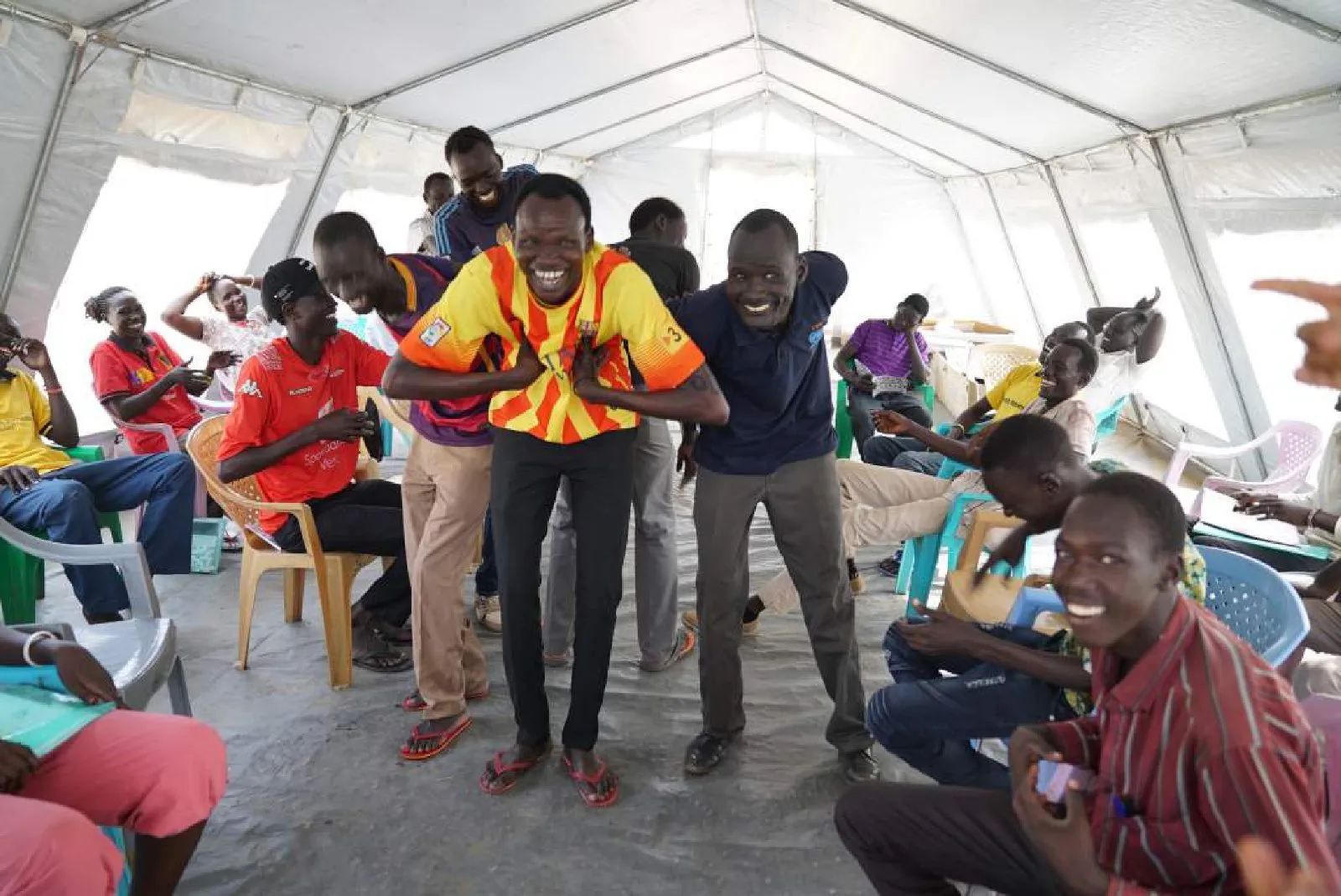
Community Facilitators trained in Juba
46 females and 62 males, against a target of 100South SudanTrauma healing
Trauma healing
in Juba.
South Sudan Trauma Healing Initiative. Global Trauma Project’s Juba Final Report on training 108 Community Facilitators from government, civil society and the Protection of Civilians sites in Trauma-Informed Community Empowerment, June 2017.
- Organisation
- Global Trauma Project
- Programme
- South Sudan Trauma Healing Initiative (SSTHI)
- Location
- Juba, South Sudan, including Protection of Civilians sites 1 and 3
- Training period
- 13 February to 7 April 2017, in two rounds
- Framework
- Trauma-Informed Community Empowerment (TICE)
- Certification
- South Sudan Ministry of Education
- Evaluation partner
- New School for Social Research, New York
- Report
- Juba Final Report, June 2017
Key findings
Healing, measured in Juba.
Self-report and heart rate variability measures were taken at the start and end of the training, and again at the end of the mentorship period.
community members reached
Through 53 trauma-awareness workshops run by 20 teamsparticipants meeting criteria for PTSD
From time 1 to time 2, after three weeks of trainingparticipants with critically low HRV
After three weeks of training and six weeks of mentorshipProgram evidence reported by GTP with the New School for Social Research, measured before and after the program without a comparison group. The report’s summary describes the rate of PTSD as reduced by 60%; see Impact assessment.
Background
South Sudan’s population has been greatly impacted by many years on ongoing conflict, violence and instability. At present, violence continues, and there are reports of starvation, famine, and “ethnic cleansing” leading towards genocide. Research has shown that 50%+ of people in throughout the country display symptoms consistent with Post Traumatic Stress Disorder and Major Depression. The effects of trauma can often result in diminished rational thinking, capacity for problem solving, and long term planning. It creates increased reactivity, physiological and emotional dysregulation, and an increased “fight/flight/freeze” response. These impacts can lead to difficulty with work and employment, increased interpersonal conflicts, hopelessness, etc. It is our hope that this Trauma Healing Initiative will prove to be supportive and transformative not only individuals, but that it may play a part in increasing stability and peace-building efforts on a larger societal scale. Our goal is to help people become reconnected with themselves, their bodies, and each other; and to support communities in promoting peaceful inter-tribal connections and sustainable development.
Scope of issue
The Eastern-African Region has been plagued by conflict, mistrust, and violence for decades. Although many efforts continue to be made towards establishing peace and security in the hopes of sustainable development, conflicts continue to emerge, and an atmosphere of instability persists. For the past several decades, war and on-going internal conflicts have subjected the people of South Sudan to prolonged, on-going violence, displacement and severe stress. This continued conflict has had a huge impact on the mental, emotional, physical, social and economic well-being of South Sudanese. In addition to these compounded stressors, the country is faced with an underdeveloped healthcare system and poor infrastructure. While there is a tremendous need to manage the overwhelming effects of trauma and compounded stress, mental health services and psychosocial support remain largely unavailable.
According to a newly released report by Amnesty International on the mental health impact of South Sudan’s conflict1, “A 2004 study found that 50% of surveyed residents of Southern Sudan and 44% of Southern Sudanese refugees in Uganda suffered symptoms of PTSD2. A study conducted in 2007 found high levels of mental distress in the population surveyed in Juba. In this study, 36% of respondents met symptom criteria for PTSD and half (50%) of respondents met symptom criteria for depression3. This study’s results showed a direct relationship between experiencing traumatic events—such as forceful separation from family and being injured—and the likelihood of PTSD and depression4. Research among South Sudanese ex-soldiers in 2010 found that 15% reported wishing they were dead or thinking about suicide.5”
Quantitative studies carried out since the renewed eruption of conflict in 2013 have reported similar findings. A 2015 study by the South Sudan Law Society (SSLS) and the United Nations Development Programme (UNDP) found that 41% of the 1,525 respondents across six states and Abyei exhibited symptoms consistent with a diagnosis of PTSD. The data also indicated high levels of exposure to trauma in the sample population, with 63% of respondents reporting that a close family member was killed at some point in their lives and 41% reporting that they had witnessed a friend or family member being killed.6 A 2015 survey by SSLS in Malakal PoC site found that 53% of respondents exhibited symptoms consistent with a diagnosis of PTSD7.
We know that when people and communities are affected by trauma, executive functioning (problem solving, planning, strategic thinking, etc.) is reduced and replaced by emotional reactivity and impulsivity. Decisions are often based in fear and mistrust, rather than on rational thought and collaboration. Like the communities they are a part of, many of the key decision makers throughout the country have also been traumatized by on-going events, and often continue to perpetuate cycles of violence by supporting narratives that incite revenge; inspiring communities to become less open and available to peace-building and reconciliation efforts. It is our belief that greater stability and development will not successfully occur unless the root causes of conflict are addressed—namely, addressing the deeper impacts of trauma on individuals and communities.
Global Trauma Project
Global Trauma Project (GTP) was founded in 2013 in Nairobi, Kenya, in order to reduce the psycho-emotional impacts of trauma (war trauma, sexual assault/ gender-based violence, child abuse, etc.) in places where there is a significant lack of mental health supports. GTP works to strengthen trauma healing supports and reduce the detrimental impacts of trauma and violence by working with a multidisciplinary team of people, (including: community/ religious leaders; health workers, peace-builders, physical education/ arts education instructors; and counsellors) from all over the world.
GTP does this by providing capacity-building support (training, mentoring, individual support sessions, etc.) to local providers or community members who are already trusted and supporting others in their communities. GTP is based in Nairobi, Kenya and works throughout the East African region, utilizing the “Trauma-Informed Community Empowerment” (TICE) framework as a foundation for our work in supporting local leaders in developing and facilitating culturally-appropriate, trauma-informed community interventions. The TICE framework was built upon an existing evidence-based practice8 for trauma treatment (ARC),9 while being modified and contextualized to meet the needs of developing country contexts and conflict areas. TICE is used as a foundation for supporting integrated community efforts to reduce the impacts of trauma and compounded stress (i.e. sleep difficulties, depression, isolation, flashbacks/ anxiety, emotional/ physiological dysregulation, impaired relationships, and decreased self worth, etc.), which can often lead to detrimental consequences—such as community conflict, unemployment, suicidality, chemical dependency, family violence, and child abuse.
Trauma-Informed Community Empowerment (TICE)
“Trauma-Informed Community Empowerment” is an evidence-informed, capacity building framework for strengthening community-based, trauma-informed systems in low-resource settings. TICE was designed for working with communities impacted by trauma due to war, conflict, or other forms of violence, and where mental health supports are lacking.
The framework seeks to strengthen the capacity of community providers/ leaders to:
- Reduce the impacts of trauma and compounded stress and
- Increase leadership and empowerment amongst community members
With this foundation, GTP aims to decrease familial and community violence, and increase communities’ capacities to engage in meaningful dialogue, peace-building and development activities.
The TICE framework serves as a foundation for a variety of international programs working on reducing the negative impacts of trauma and compounded stress. In this manner, GTP provides support to refugee services, peace-building and development organizations, school systems, child protection, mental health programs, safe houses, etc.
TICE has a foundation in evidence-based trauma treatment (“Attachment, Regulation and Competency” ARC)10, Asset-Based Community Development11, body-based mindfulness12, and international psychosocial programming (WHO-ISAC Guidelines on Mental Health and Psychosocial Support.)13
Target Communities: TICE was primarily developed to identify and target community members who:
- Have experienced psychological trauma (such as war trauma, community conflict, domestic violence, child abuse/ neglect, sexual/ gender based violence, etc.) and/ or compounded stress (extreme poverty, chronic health issues, unemployment, insecurity, etc.)
- Are at high risk of experiencing detrimental impacts of trauma (effects such as isolation, depression, anxiety, intrusive thoughts/ flashbacks, sleep issues, mood fluctuations, increased aggression, chemical use, etc.), and
- Are not best served by existing health programming and/or reside where mental health/ healing supports are lacking.
The framework is comprised of 5 Core Components that are most affected by trauma:
- Safety
- Regulation
- Connection
- Identity
- Empowerment
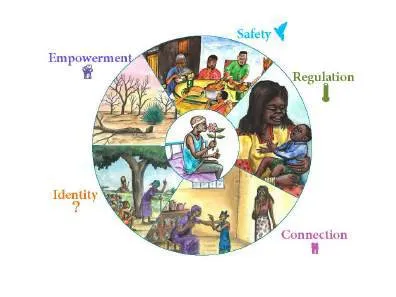
In addition to these 5 Core Components, TICE focuses on the aspect of “Self-Healing/ Self-Care” as a central principle within the framework. This means that the 5 Core Components must be applied and utilized within ourselves, before we can work to support healing within our communities. TICE also stresses the aspect of Self-Healing as a continual, on-going process that must be prioritized and supported.
As practitioners integrate TICE principles into community initiatives/ programs, particular attention is given to the use of tools that address the impacts of trauma, such as:
- Noticing internal responses (increasing capacity to notice internal sensations, thoughts, emotions)
- Exploring triggers and survival responses (flight, flight, freeze, submit)
- Increasing regulation (actively practicing coping skills, focused on increasing management and control of emotions and energy levels)
- Providing opportunities to problem solve, make individual/ collective decisions, and strengthen competencies
- Increasing a sense of safety and strengthening interpersonal supports.
The TICE framework is designed to give community practitioners a strong foundation for developing and providing “trauma-informed” supports. “Trauma-Informed” means that the support offered is directed by an understanding of the biological, psychological and social effects that trauma and violence have on human beings. The types of support practitioners may offer can vary widely—from counselling sessions to sports teams, art projects, theatre performances, educational groups, or local community ceremonies. Different types of support may be most appropriate depending on the setting and community needs. There is no one best approach for trauma healing. However, if we are working toward healing from trauma, it is important that we address these five major ways that trauma tends to affect us. Once practitioners have a strong foundation underlying what they do, and clearly understand why they are doing what they are doing, they can easily design and develop more thoughtful and creative approaches that best meet the needs of their communities.
TICE has recently been contextualized for Eastern Africa (specifically South Sudan, Somalia, and Kenya.) TICE is a conceptual framework that underpins policy and practice in the field by demonstrating links across the continuum of psychological responses to mass conflict, and establishing a foundation for a range of interventions/ tools (psychosocial, mental health, peace building) needed to support communal and individual recovery in a conflict/ post-conflict setting. GTP recognizes that one of the current gaps in effective trauma-related work is the lack of a foundational framework that allows various providers to have a common language and understanding for what is to be addressed in trauma-healing initiatives. This can often leave trauma-related efforts to occur in a fragmented manner, without clear coordination, unified goals, and strong evaluation.
Once providers are grounded in a solid framework for understanding the impacts of trauma and how to initiate trauma-informed supports, they are ready to receive training in additional, specific tools that they can begin to implement within their communities.
Strengthening “trauma-informed” programming
GTP strives to support the people we work with, the organizations we work for, and the systems we work within to embed trauma-informed principles. This means the impacts of trauma are recognized and addressed; and that ways of working actively reduce the potential for re-traumatization.
A trauma-informed approach supports, but is not the same as, a trauma-healing intervention. Whereas this South Sudan Trauma-Healing Initiative has produced significant positive impacts on the individual participants, GTP is committed to further addressing the power structures, policies, and dynamics that expose community members to re-victimization and inhibit healing. It is our goal that through trauma-informed practice, not only will individuals experience positive change, but that communities will be better supported by systems that foster healing and transformation.
South Sudan Trauma Healing Initiative
Goals
The goals of the South Sudan Trauma Healing Initiative include:
- Reducing the detrimental impacts of trauma and compounded stress on individuals and families
- Increase internal awareness and self-regulation skills (actively practicing coping strategies)
- Strengthening competencies, leadership, and empowerment amongst community members
- Increasing local support for trauma-healing within South Sudan
TICE training
GTP delivered an intensive 15-day training curriculum, which has been certified by the South Sudan Ministry of Education. The training composed 4 main sections: Introduction to the Impacts of Trauma /Compounded Stress; Trauma-Informed Community Empowerment Framework; Breaking the Cycles of Victimization & Aggression to Lead to Healing; and Preparation for Community Workshops. In the first cohort, Psychological First Aid (PFA) was taught as a distinct topic. In response to participants’ need, PFA and counseling skills were integrated into other modules during the 2nd cohort.
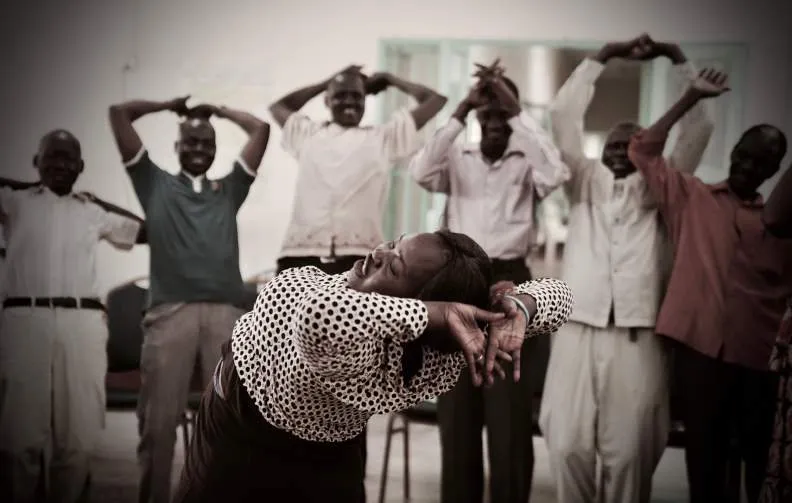
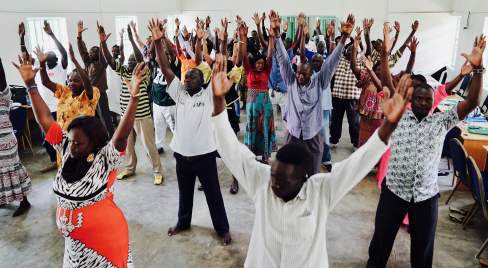
The course utilized various adult learning approaches that built upon participants’ experiences. Interactive methodologies included physical exercises, dance, interactive games, role plays, small group discussions, and activities to develop self-regulation and facilitation skills.
The training took place Monday-Friday from 9:00am until 4:30pm. Participants who attended 90% of the curriculum hours were awarded a Certificate of Achievement recognized by the Ministry of Education. Others received a Certificate of Participation.
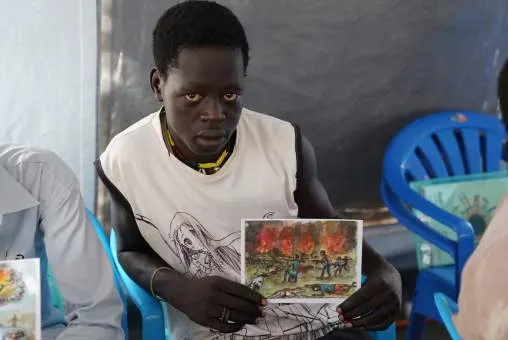
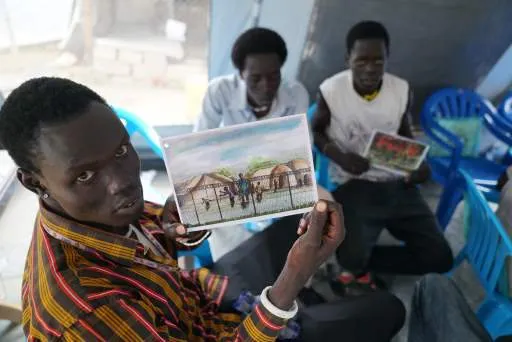
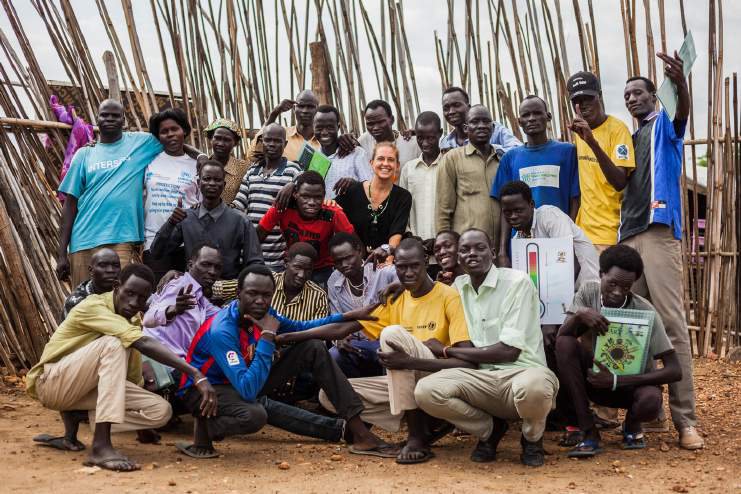
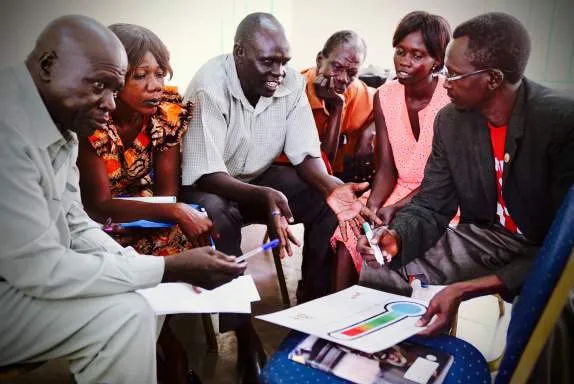
Using one of the TICE paintings, participants are inspired to share about the impacts of their experiences living with violence, war, and on-going displacement.
Juba 1
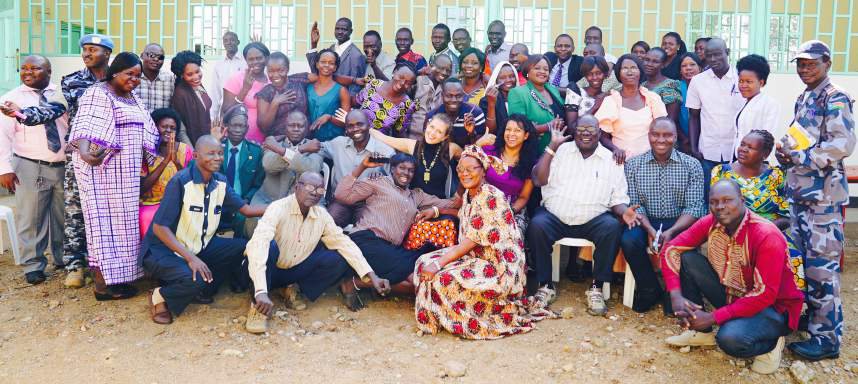
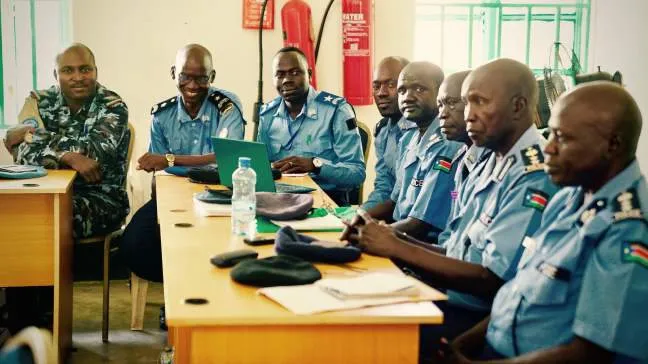
The first round of trainings in Juba were held Monday, February 13- Friday, March 3 within the Women’s Union building. Government-sponsored participants included representatives from Ministry of Gender, Child, and Social Welfare; Ministry of Justice and Constitutional Affairs; South Sudan National Police Service; Juba City Council; Juba Teaching Hospital; and Ministry of Agriculture and Forestry. Of the 35 government participants, 8 were female, and 27 were male. Thirty-three participants received full certification. The training was conducted in English and Arabic.
The Civil Society cohort included members of various community-based organizations. It was a smaller group of 17, composed of 13 female, and 4 male participants. 16 received full certification. The training was conducted in English and Arabic.
Juba 2
The second round of Juba trainings occurred from Monday, March 20- Friday, April 7. Once again, the Government-affiliated training was held in the Women’s Union. Participants came from the Ministry of Health; Ministry of Interior; National Police Service; Ministry of Gender, Children, and Social Services; Ministry of Education, Ministry of Interior; Ministry of Youth and Sports; United Nations Development Programme; Juba National Prisons Service; Ministry of Judiciary; the Ministry of Education; and United Nations Mission in South Sudan. The 28 participants were 23 females, and 5 males. All received full certification. The training was conducted in English and Arabic.
Another cohort of Juba Round 2 were Community Watch group members from within the Protection of Civilian camps (PoC) 1 and 3. Twenty-eight people participated and received full certification, including 2 females, and 26 males. Logistics within the camps were difficult resulting in multiple shifts in training locations, as well as initial disagreements about refreshments, transportation, and translation. The training was conducted in English and Nuer.
Community workshops
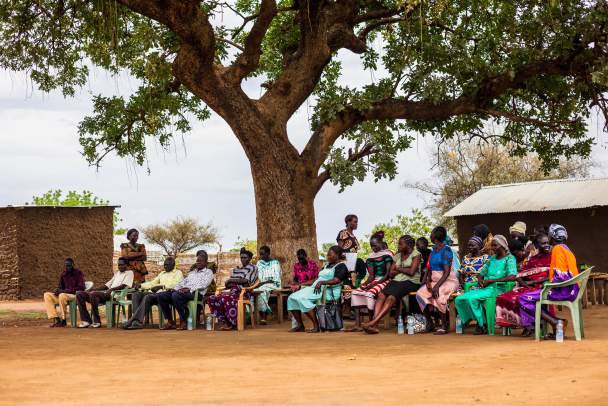
SSTHI encourages training participants to conduct Community Workshops on an Introduction to Trauma/Compounded Stress. The final week of training included preparation and practice sessions. Participants split into teams and developed action plans. In Round 1, there was confusion about what logistical support was being provided, and by whom. It was eventually determined that UNDP would provide basic refreshments and stationery.
GTP Assistant Trainers mentored the teams for 6 weeks, which included 1 week of planning, and 5 weeks of Community Workshops.
The Juba 1 group split into 13 teams across cohorts. Teams conducted community workshops for 299 people, including 166 males, and 133 females.
The Juba 2 Government cohort split into 7 teams conducting a total of 28 two-day workshops throughout their communities. The 574 community participants were composed of 260 males, and 314 females, including community leaders, church leaders, women groups, youth groups, teachers, prisoners, and police officers.
Additionally, 22 Juba 2 participants were engaged by UNDP to train 10 classes of new Joint Integrated Police recruits at the end of May. 696 recruits participated.
Within the PoC, no Community Workshops were sponsored, due to disagreement about funding for refreshments and transportation.
| Group | Teams | Community participants | Males | Females |
|---|---|---|---|---|
| Juba 1 (all cohorts) | 13 | 299 | 166 | 133 |
| Juba 2 Government cohort | 7 (28 two-day workshops) | 574 | 260 | 314 |
| Joint Integrated Police recruits | 22 Juba 2 participants, 10 classes | 696 | Not reported | Not reported |
| PoC cohort | No workshops sponsored | – | – | – |
| Total (from the Summary) | 20 teams, 53 workshops | 1,569 | – | – |
Strengthening trauma-informed practice
This report highlights examples of how the 5 TICE Core Components of—Safety, Regulation, Connection, Identity, and Empowerment—have been addressed during this initiative to support healing, forgiveness, and peace-building within Juba. “Trauma-Informed” activities must take into account the ways in which these factors are affected by ongoing stress, as well as provide concrete strategies for mitigating these areas of impact—on individual, community, and systems levels. We will therefore highlight examples and quotations demonstrating how this Trauma Healing Initiative addressed each of these important areas of impact.
Safety
When we experience situations of violence, abuse, insecurity, and depravation, our sense of safety is significantly impacted. This not only has to do with the physical environment, but also with our internal feeling of security. Fear becomes increased, regardless of whether there is actual threat, or an internal perception that a threat exists (even if in reality it does not.) We begin to feel a sense of victimization, helplessness, and vulnerability. Therefore, when working to heal the impacts of violence and conflict, we must work towards reestablishing safety and security—within both the external environment and our internal perceptions.
Experiences and memories of violence
There was an incident in 2016, when two women left the POC to collect firewood, and were attacked and raped by SPLA armed soldiers, a few meters away from the Western Gate of POC 1. We heard the screams, but the UN peacekeepers refused to leave their posts to help the women, despite being aware that a gang rape was happening. They said it was outside their authority. The Community Watch members jumped the barbed wire fence—25 of us, with pangas, sticks, and stones. We found 8 SPLA soldiers with guns, raping 2 ladies. When we came after them, they ran. They had guns and we had only stones—they could have easily killed us. Afterwards, UNPOL told us ‘Thank You,’ but that we shouldn’t do it again, because they cannot protect us there.
Dinka men came and took a group of 400 people, put them into a group, poured fuel on them and then lit them on fire. I ran and hid in the bushes, but watched. I felt so helpless. I couldn’t help anyone. Or fight. I could do nothing but watched people burn.
The soldiers came one night and they rounded up all of us young boys—me and nine of my friends. They took us blindfolded, so we don’t know where we are. They made us to be naked, and put us all in one pit latrine. They kept us there for many days. Then the soldiers would come at night, and take one of us out, one by one. When they took someone, they would never come back. We knew they were killed. I was just waiting for it to be my turn. I knew I would die any day. One night, the soldier grabbed my arm to pull me out. But just at that time, the general came and asked him what they are doing. He said ‘These boys didn’t do anything to you. Let them go and get out of here.’ Then the general took us and got us clothes so that we were not naked. He dropped us off at a children’s home. I don’t know why he saved us.
Perceptions of on-going threats
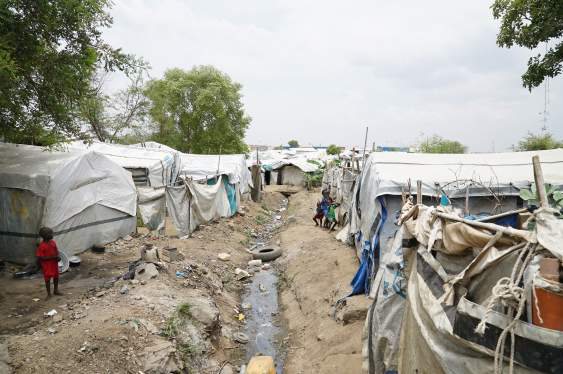
Due to the multiple experiences of violence, victimization, and terror, many participants have a heighted survival response, which brings about a hyper vigilance to perceived threat, mistrust of others and significant, on-going feelings fear. It is important to note that ongoing feelings of insecurity are born out of actual, real-life experiences; and that current fears and perceptions of threat are based in actual experience. Although all threats and insecurities may not actually exist in the present, the important thing to keep in mind is the very real “felt experience” that participants embody.
Participants and residents express a great deal of fear regarding their security in the camp. The major threat mentioned is a potential attack on the camp by SPLA soldiers. Most of the participants cite the inability of the UNMISS to protect them during the violence that happened in July 2016 as a source for their increased fear: “The peacekeepers failed to protect the people in the PoC in July. When the camp was attacked, the Chinese peacekeepers ran through the camp to the UN house, telling people that they should leave the camp too and seek protection, although we had no place to go.”
Participants frequently talked about threats outside the perimeter of the PoC, including abductions by SPLA soldiers, rape, gang rape, sexual harassment and beatings.
A man came yesterday to the POC. He got through the gate, and had a chemical with him. We think it was to put into the water supply tank, to poison us. The community watch caught him. He might have been sent by the government to kill us.
When we were practicing the ‘boundaries’ exercise, I was surprised. When the other person walked towards me, I felt afraid. Like they are going to hurt me. I know it’s not true, because I know them from this training and we are all friendly. But still, when they walked close towards me I felt ready to fight.
Impacts of reduced sense of security
Participants’ perceptions of a lack of safety and ongoing threat, affect many present day decisions and behaviors.
Participants in the POC were worried about their privacy and safety. They did not want their names to be known and shared with the Ministry of Education for reasons related to protection and security. The majority of POC participants believe that this can put them at risk. On day one of the training, half of the participants walked out of the hall, and refused to take part in the training, after UNDP staff attempted to convince them that the Ministry of Education certification is necessary for their future wellbeing. One UNDP official told POC participants: “You want peace in your country don’t you? Who is in charge? The government. When peace comes, you will need these certificates from the Ministry of Education to get jobs.” This increased feelings of mistrust, powerlessness and misunderstanding, which lead participants to walk out of the training. (POC response: “The Ministry will still be here after peace. Let peace come, and then we can get for the certificates. For now, we just need the information to help our communities. Not to put ourselves more at risk with the government having a list of our names and knowing who we are.”)
One time, we chased away the IMC and WFP in the camps. They brought us food and medicines which were expired. We even wonder if they are part of the government. Many times, people go to the clinic here. They are just a little bit sick, walking ok, not too bad. But then they go to the clinic, get an injection, and die. This has happened many times, and now we are afraid to go to that clinic. We will not got there and die, when there is no need.
Regulation
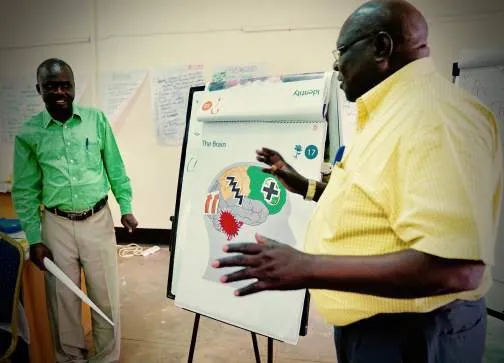
When human beings encounter a dangerous threat, it activates the brain’s limbic system, or “survival brain.” Our pre-frontal cortex shuts down, and we react with our survival responses—flight, flight, freeze, collapse. When we are exposed to on-going threats, insecurities, and conflicts, our survival brain can become hyper-alert, triggering intense and extreme emotional and behavioral responses. This is called “dysregulation.” When we are regulated, our thinking brain stays in control, and we have increased capacity for decision-making, strategizing, long-term planning, and goal-setting. In this TICE Initiative, we have actively practiced skills related to self-awareness, regulation, self-care, and use of coping skills.
Survival brain, dysregulation, and aggression
Many participants gave examples of dysregulation, which often times can lead to aggression:
The feeling of isolation and abandonment can make a person to become aggressive and violent. People are not born like this and they do not choose to be like this. When you are stressed you might do many things that are not good—you harm yourself, you can kill somebody. You don't like your family. It can make you burn houses. You don’t take care of your body and neglect yourself. You can get also of pain like headaches, stomach pain, back pain. Sometimes you just collapse.
The hyena in not a friendly animal. She lives in the bush. I was unjustly imprisoned for a month. When I was released I felt angry and aggressive, like the hyena. I lost respect for other people. I was not friendly to my family, to my friends and to my neighbours. I feel hurt by this situation. I feel like I have a wound in my heart. I cannot forgive.
If you are hurt or you feel abused, you will take revenge when the opportunity comes, like the hyena. I can compare my situation to the hyena. In July 2016 we were left in the PoC without security, without water and without food. We were fighting for survival like the hyenas do. I feel that I can hurt the people who have hurt me. I cannot forget.
I feel sad, but also happy with myself. The other night, things were very bad. We were so angry with Warrior Security that we wanted to fight them. You can take a bad decision, that would give you a bad outcome for yourself or others. You can act violently. These things (challenges with the security company) continue to happen everyday, and may force us to do something bad, which has bad consequences. I hope that this training will help me to develop capacity and strategies to control my feelings and frustrations We need to know how to handle these situations and how to manage ourselves.
When people mistreat me, abuse me, I will go and make another power for myself. When I have that power, I will go to revenge—all those that have hurt and killed and raped. After I attack those people, I will see who was supporting that person to do those things. After I kill those people, than others will start to think—‘why are our people being killed?’ And they will think about what they have done and the hurt they have caused. That is when they will realize what they did.
In the beginning of the conflict we felt hopeless. We didn't know where the enemy was. I joined the other people seeking refuge because I felt safer with them. When the organizations stopped helping us, we started attacking and fighting each other, like the hyenas. At this moment I am a lion because I know what is happening on my environment and I have control over it.
It was hard in the beginning (of the training). I was having too many thoughts. I wasn’t concentrating—not focused. The way I was thinking before—there were so many things—all scattered, no order. Now I’ve taken some time to reflect and pay attention to myself. I can slow down my thoughts and focus more.
Increased self-regulation and pro-social behavior
Many participants also reflected on how the TICE training has helped them to have better awareness of their bodies and emotions, and has increased their capacity for self-regulation:
During this training course, we have been making an assessment of ourselves. As a healthy person, we must be well physically, emotionally, and mentally. I can say that I am seeing where I am affected, and that what we have been doing has already began helping me to heal.
One participant who is usually silent during the sessions stood up and told how he stopped (using the skills he has learnt during the training) a situation where his neighbor wanted to beat his wife the day before. The participant mentions that he first talked to the neighbor and convinced him to calm down and forget the anger. Later he helped him to keep away from the anger and to avoid the conflict by teaching him relaxation exercises that he has learnt in the training.
This training is helping us to take our mind from the bad things we face in our lives here in the camp. Since I started this training I don't spend that much time thinking about my problems as I used to spend before. I have learnt skills that are helping me to deal with the problems in my life. Now I know I have a choice because I can control my stress and trauma. I am grateful for that.
The training is helping me to control my stress and to not transmit it to the other people around me. The things that we are learning with this training will help us to heal not only our community but the entire country when the peace comes.
My whole life—I don’t sleep well at night. All night long I can’t sleep. I only sleep late. My mind is filled with all the bad, hopeless things. But last night, I slept nicely. It’s because of this training. I was thinking about all we are learning, and I started to feel some hope. It is bringing me peace in my mind. The training that we are receiving will help us to heal people within our community that are even more traumatized than us.
During the training in the POC, a particular incident occurred between the POC participants and Warrior Security:
We had a problem with UNPOL and Warrior Security. They want us to walk outside of the safety gates of the POCs. Even with our stipends, we have to walk outside where we do not feel safe. Some of our members tried to get into the POC gate that is used for vehicles, and not the pedestrian gate. Warrior told them to go around, but they said it in a manner that made us feel like a dog. Like they were disgusted and have no respect. That made an argument to happen, but then they left and nothing more happened. The next day, the Warrior approached our chairman, saying that he was the one who made this problem. He didn’t, but he said he will try to resolve it on behalf of the community. Then, he was arrested. He didn’t hit or become aggressive to anyone. No one knows why he was arrested. There was no reason given to him. He was held for 2 nights at UNPOL without a reason. This made us to become enraged. We gathered all of the youth to come and fight. There was a big group of us. We grabbed stones. I had two big stones in my hands, and was going to go and attack all the women at Warrior. It was only because the elders came and spoke to us, and told us we should not do this. We thought about what we are learning here, and decided to listen to the elders. But even now, I still feel so angry towards Warrior and UNPOL. We are treated so badly, with no respect. And yet it is them who are supposed to be protecting us.
This was a situation that could have easily led to violence. But participants discussed how the trauma training was helping them to remain calm and not take revenge.
I thought about these parts of the brain—thinking/ survival—It is helping me a lot to know that when someone starts to beat someone, that it is the Survival Brain that has taken over. If we weren’t here in this training, we would go and take action against Warrior Security. We would go get our brother out of jail. I was so angry that I held two stones, but then I thought about the training, and I listened to the elders. I put the stones down. It is this training that is helping us not to revenge them.
I was also going to go and fight. I wanted to pick up the stones, but it was this training that kept me from doing it. I was holding my training books in my hands, and I thought—‘I must do this training. If I get the stones, where will I put my training books? They will be lost.’ I kept my Thinking Brain on. And this is what made me to not fight, because I wanted to do this training and it is important to us.
Connection
Sometimes, traumatic experiences are caused by nature or accidents. But when harm is man-made, it is especially impactful on human beings. This is because we turn to others for support, safety, and security. When harm is caused by other people, it particularly affects relationships—our ability to trust, to experience intimacy, and to cooperate together. Part of being “trauma-informed,” is working in a way that fosters trust-building, increases understanding, and promotes mutual respect.
During this program in Juba, we found that the issues of mistrust, feelings of victimization, and feelings of aggression are not only occurring cross-tribally, but also between aid workers and beneficiaries. In addition to the inter-tribal conflicts happening within the country, it is the dynamic between those that seems to “hold power,” and those that seem to have “less power,” that also appear to have significant impact on daily life.
Trauma impacts interpersonal relationships
Before this training, I was always fighting with my wife. We were both really traumatized but I didn’t know it. Sometimes I would beat her, and yell at her. But now, I am learning a lot about myself. I am able to notice when I get triggered and angry, and can think about maybe why she is doing something, because she is also traumatized. Now I am not yelling or being aggressive with her at all. We re talking more ands feel like our marriage has improved. I want her to come to this training next time, so that she can also get healing.
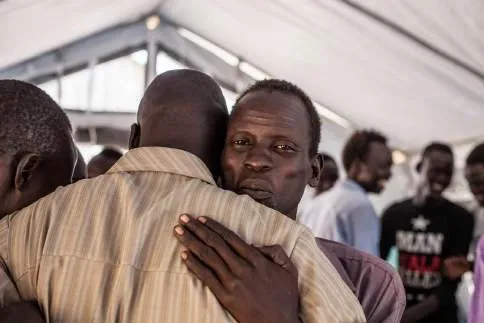
We are sharing so many issues together. I thought I was alone, that I was the only one facing these things. I felt totally isolated. Now, I find that others are actually experiencing the same things. Also, this training has given me a chance to regulate. I am learning this from the trainers, and practicing with my colleagues. To get things out and to calm myself. We need so many days of this (TICE training), so that we can become of sound mind.
This training is very needed. I work in the fields of community development and peace building. I see relationships breaking down, and it is heartbreaking.
It is only thanks to God that I was called to come here (community workshop) today. You don’t know, but I have felt so terrible and alone with all of this. I hate myself and my life. I feel that I was worthless. I had actually planned that tonight at 11:00pm, that I would kill myself. It is only by the grace of God that I was brought here today, and am hearing these things. Now, I cannot do this tonight. I need to know more about all that we are learning here.
Disconnection and mistrust between POC residents and UN bodies
The POC participants report that they feel ignored and dismissed by the peacekeepers regarding their safety in the camp.
Even in POC 3, there are community outlaws staying around the pedestrian gate. It’s the Community Watch job to inform the UN about who is taking guns inside and to stop these activities. Everyday, we are at risk from even these community gangs. When we hear UNPOL say that we only want transport, we feel very sad and go to (red level.) We become totally discouraged. This is not about wanting a vehicle. We go by foot everyday. Everywhere. We live by foot. We even came to this POC 1 by foot. This is a security issue for us, and we feel so disrespected and ignored. We don’t even feel like we matter to the UN. And yet we are very important for them. We are doing the community policing. We are doing the job of protecting the community, and sustaining a peaceful environment. If we do not do this job, their job will be very difficult. And yet we do not seem to be recognized or important to them. We do not need to volunteer for this. It puts our own personal security further at risk. The UN is concerned about their own security, they even bring their own vehicles inside the POC to collect their staff because they are worried about safety. When any insecurity happens, they will remove their own staff, but it is us who will be left behind. We will always remain.
What happened today makes me feel that the UN does not understand and does not care about out worries, and we cannot count on them.
Making repair and strengthening trust creates healing
Following the meeting with the PoC Chief Commander regarding transport for the participants moving between Poc 1 and PoC 3, the participants reported that they felt validated and understood by GTP staff, stating that they greatly appreciated having their concerns taken seriously.
I was happy to see that someone understands our side. I felt that at least someone is listening to us.
The answer we received from the GTP team helped me to calm down and made me think that there might be hope and a solution for this problem.
Although there were several attempts to organize further dialogue between PoC participants and UNPOL to clear up the situation, it was not accepted. Such dialogue is an important route to increased understanding and reducing future conflict.
After a difficult beginning, it was insisted that Hanger 5 was not a suitable place to hold the trauma training. After being displaced several times, we were eventually shifted to different tents that provided somewhat more security than Hanger 5. This demonstrates how even the physical environment is important to increasing trust and connection:
We stayed in Hanger 5 for four days. We stayed like strangers, like we didn’t know each other. It didn’t feel safe there. It wasn’t until we moved to the IMC tent that we became together. We spoke more closely, we bonded, and we now began. We are being honest and sharing a lot. I know now that I have many people who understand my experiences and that I can share with.
Identity
The way in which we view ourselves is impacted by our experiences, thoughts, and feelings. These also influence our view of others. When we experience situations of being hurt and victimized, or of hurting others, it can shift how we see ourselves. What kind of person am I? Am I capable and smart, or am I weak and insignificant? Which people do I belong to? Have my people been victimized? Am I someone that matters? What, if any, is my role in regaining justice?
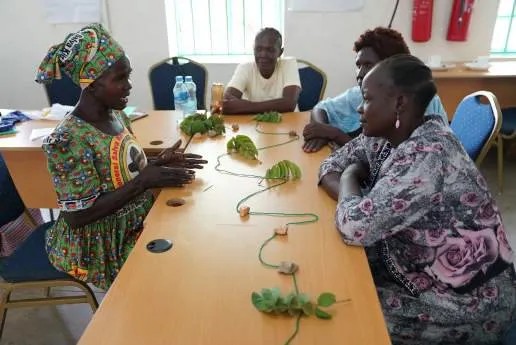
The TICE program explores the multiple identities we embody. By relating experiences to victimization (a dog), aggression (a hyena), and healing (a lion), we are able to reflect on the past, recognize present patterns, and through regaining a positive self-identity, actively envision ways in which we further our healing transformation.
Before the crisis, I ran my own business. I was a trader and had a shop selling things. Now I have lost all of it. Now I live in this POC, and have to rely on others for everything. I have to wait for others to bring us food and water. I can’t even buy food for myself and my family. My life is now dependent on others. I feel totally helpless again.
I found the activity very important at a personal level. It showed me an aspect of identity that I learned about myself and those around me.
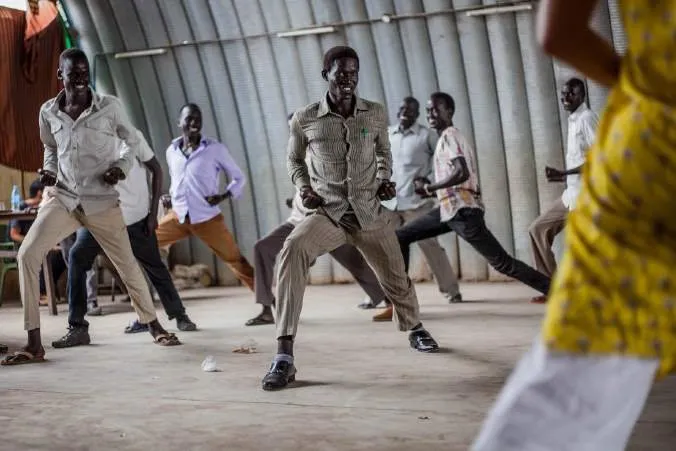
Participants within the PoC felt strongly that the weekly dance event strengthens their positive sense of identity, culture, and healing:
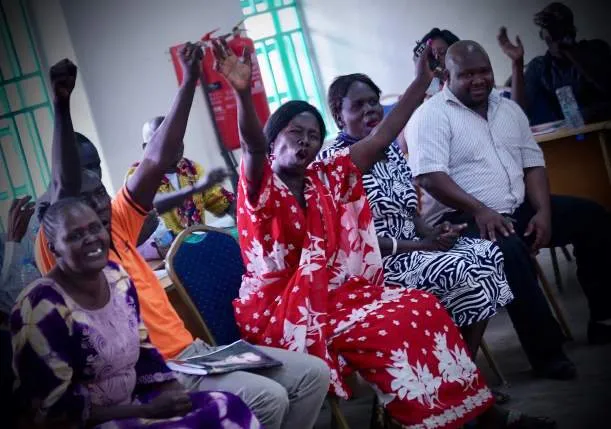
When the cultural event was stopped because of the insecurity people didn't have a place to go to relax and ease their mind. In the beginning only Nuer people were living in this camp. Later members of other tribes arrived and they were accepted by the community that was already here. The cultural event is an opportunity for all the people and all the tribes to be together and interact in peace. We show each other our traditional dances and songs, and we compete with one another. We feel proud of our history, and like to share it with others. That we, we all appreciate each other.
We don't like taking revenge on people that hurt us. All the people are welcome to our community and to the cultural event. In our community we believe that the way we love others is the way other people will love us. The cultural event is an opportunity for us to know and learn about each other, and show respect and understanding.
Empowerment
The ongoing conflict and economic crisis within South Sudan has affected many people’s ability to care for their families, to make their own choices, and to feel a sense of competency, and empowerment. This leads to feelings of hopelessness, helplessness, and lack of control. When working to heal the impacts of violence and conflict, we must work to counter-act this sense of powerlessness, and ensure that we are working to strengthen other’s capacity for self-determination, self-control, decision-making, and agency. “Trauma-informed” work is about supporting people’s capacity to do for themselves, and to know that they have the power to create change and impact their environment.
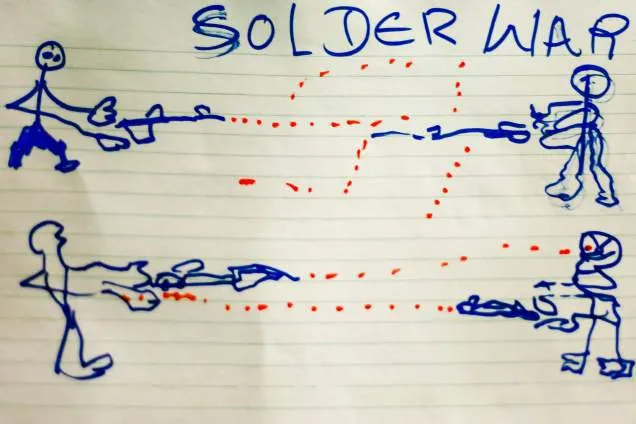
This training is important to a state of peace. If we can get people to come out of their tents, and gain this information, we can be more in the right state of mind. We can get some vision and hope for the future. But without this, we may stay stuck and be like those in the pictures—victimized, fighting, and violent.
Now I feel like a complete basket without holes in it. We will go and share our knowledge and teach other people in the community that cannot come to this training.
As a youth group leader here in Gudele 2, I have gained a lot from this training, especially in how to ensure my stress does not lead me to behave badly towards other people by being violent. This will help to promote peace in our community.
When you reach this feeling of the lion, you need to be impartial, understanding and caring to all people. Because you have the responsibility and the power.
Participants and residents generally report frustration over limited freedom of movement and being confined to the PoC sites for over three years. Despite having good access to radio and mobile phones, the community lacks the mechanisms to effectively express and communicate their concerns and frustrations. “There is nothing to do here. You can go mad”.
When I arrived to the PoC I was faced with so many difficulties that I learnt how to overcome with time. Now I feel like a lion. I was kidnapped, my hands were tied and I was thrown inside a car. I was taken to a dark place (toilets) where I found many other men. I was left there for a week. During the night the gunmen were coming and taking some men away. I never saw those men again, they were never brought back. I was waiting for my day to die. One day the leader of the gunmen decided that they would not kill more people. He took us from that place to the market and bought us clothes. After that he took us to the UNMISS. When I was handed over to the UNMISS I was not feeling like a person. I was not feeling alive. I was feeling like I was dead. If someone pinched my skin I was not feeling it. Today I feel like a lion because I am able to forgive. I will not revenge. I will continue to love and work for peace. But I cannot forget.
Yesterday, there were two Dinka men who came (to the POC.) Somehow, they got inside the gate. They had a bag of money and phones stolen from gangs outside the POC. The community got a hold of them. The men said they were coming to visit a friend, but didn’t know where he stayed and didn’t have the friend’s phone number. Then the community became enraged. They knew these men might have been sent by the government, to spy, or to poison, or to harm us. Seeing these men triggered up everything that the Dinka have done to us—all the killing and rape and torture. These two men just became a symbol for all the evil that has been done. The community members grabbed them and started to beat them. They became a mob, and were yelling to beat and kill these men. The Community Watch members, we were in this training, and had just gone for the lunch break. We were called and went running. We got the two men away from the community, and we used our own bodies to protect them. We called UNPOL, who came and took the men away in an armored vehicle. The community was angry even with us, because they wanted mob justice. But still, we protected those two men and gave them safely to UNPOL. It was because of all that we have been learning. This was really different from last time, in POC 3. The last time Dinka broke in, the community attacked them and beat them thoroughly. But this time, this of us in this training, we intervened. We handled it without violence. The two men were removed peacefully. We have been learning about the dog and the hyena and the lion. The community is trapped as the dog, and wants to revenge like the hyena. They are only thinking with their ‘survival’ brains. But now, through what we have learned, we know we need to keep our ‘thinking brains’ on. We need to be like the lion, not the hyena. That is what will make change. It is hard, but this time, we are proud that we are like the Lion.
Logistical notes
Successes
- The Women’s Union was centrally located, and therefore accessible to participants from different parts of the city.
- The TICE training, which initially targeted 100 participants, succeeded in training a total of 108 Community Facilitators within Juba.
- Daily provision of transport reimbursements significantly promoted consistent attendance
- Community workshops were successful. Team members worked well together, and conducted more sessions than initially planned.
Challenges
- Lack of clarity on the split of roles and responsibilities between UNDP and GTP in ensuring successful community workshops brought confusion on the part of the participants.
- Inconsistent provision of refreshments to the participants by the UNDP vendor during the community workshops affected output of these workshops. “The community was told there would be refreshments during the workshop. Then, no water or anything was brought. I became a liar to the community, and I looked bad to them. Now they are doubting me.”
- Language barriers resulting from the fact that some participants only spoke Arabic. It was found that Neur was needed in the POC.
- Constraints in securing an ideal training venue within the PoC affected the trainings there.
- A number of facilitators had difficulty capturing information accurately during community workshops, making accurate reporting difficult.
- Demands for payment of higher transport reimbursement, and disagreements about refreshments amongst the PoC cohort and UNDP led to the suspension of the community workshops.
- South Sudan National Security required GTP mentors to transport their officers to and from each community workshop, plus 200 transport stipend. Due to fears for his own security, one GTP mentor used his own vehicle, as National Security threatened him. National Security officers said no workshops could happen if transport was and stipends were not provided to them.
- Program partners need additional training around strengthening “trauma-informed” supports.
Special considerations for POC sites
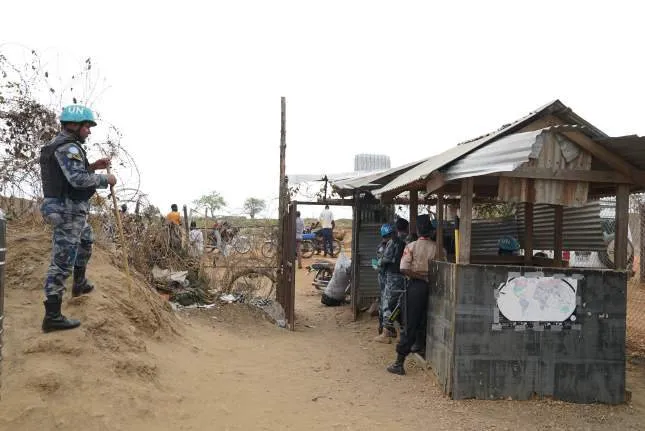
The Protection of Civilian Camps offer unique challenges that need to be considered for the Trauma Healing Initiative to be successful. Some special considerations are as follows:
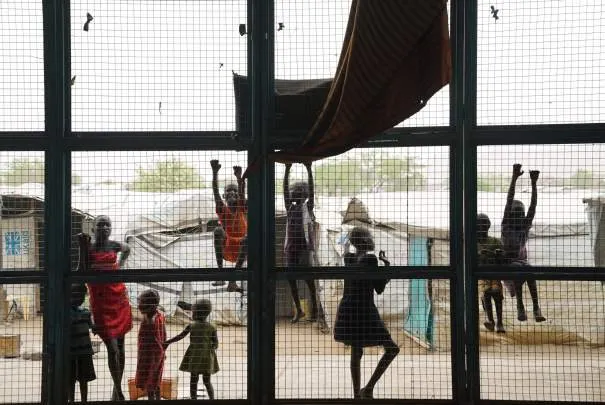
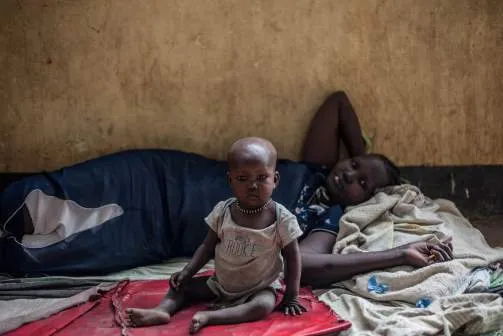
- One of the challenges faced in the POC training, was not having adequate space or a protected environment to establish an atmosphere of safety and security. Our program was displaced 7 times during the 15 days, which created increased stress for everyone involved. The first training space we were given was “Hanger 5,” a large airplane hanger, being used as a hall for community events, mental hospital, court house, and detention facility for criminals within the camp. There was an elderly man with several wounds on his legs living behind some chairs and a woman with mental illness living with her baby one corner on the floor. The mother showed bizarre behaviors (walking around, running after people and children, beating small children) and constantly left the place, leaving the baby alone without any supervision. At one point during the training, the mother kicked the infant across the cement floor.
- Participants often described the UN Mission In South Sudan (UNMISS) as unresponsive to their requests. Participants mentioned that two sets of rules govern the behaviour of people in the site: UNMISS rules and traditional cultural rules. They note that these rules sometimes conflict. For example, if a man in the community engages in adultery, the chief might arrest him and report him to UNMISS for breaking a serious traditional law, but UNMISS might release him because he has not violated UNMISS rules. Without legal recourse, the community is then left to take action. Another example was that traditionally, after a birth (especially of twins), the family must slaughter a goat, cow, or other animal as an offering to God, and to secure God’s blessings. If this does not happen, it is believed that bad misfortune will fall onto the family. It is a UNMISS rule that no ‘4-legged’ animals are allowed into the POC. This makes it impossible for residents to follow cultural traditions without violating UNMISS rules. However, they noted the contradiction that cats and dogs are allowed inside the POC.
- Women leaving the POC are subjected to increased risk. Participants report that women need to leave the POC temporarily for several reasons: to collect fire wood, to buy charcoal, to buy food in the market, to access health services that are not available in the camp. Leaving the perimeter of the PoC leaves women at increased risk of being raped, harassed or beaten.
Impact assessment
Partnership with New School for Social Research
GTP’s robust assessment strategy includes a partnership with the New School for Social Research in New York, USA. We were able to assess symptoms of posttraumatic stress, poor control over emotions and behavior, and an indicator of brain and heart wellbeing. Tools included interviews, written assessments, and HeartMath monitoring (Heart Rate Variability). At the beginning and end of the training, participants answered the following questionnaires: Harvard Trauma Questionnaire (HTQ), Difficulties in Emotional Regulation (DERS), Personal Progress Scale (PPS), and Inclusion of Other in the Self (IOS). Heart rate variability was assessed 3 times—at the beginning and ending of the training as well as at the end of the mentoring period.
An initial compilation of participant interviews is found here: vimeo.com/216132538
PTSD symptoms have been related to serious life consequences, including work impairment, aggression directed at the family and in the community, and serious long-term physical health problems. People may have serious problems with concentration, and may eventually withdraw from society completely. Similarly, low sympathetic HRV is related to difficulties in sustaining attention or pursuing goal directed behavior, and low parasympathetic HRV is related to difficulties inhibiting impulses and aggression, difficulties inhibiting attention to distractions, difficulties regulating emotions and calming down, misperceiving others' emotions as threatening when they are safe, and having new-onset cardiovascular, respiratory, and digestive illnesses. Therefore, reducing PTSD symptoms and emotion dysregulation, and increasing extremely low HRV should help people to better concentrate and pursue goal-directed activities, which will improve their economic circumstances; will help people to more accurately perceive social cues and inhibit impulses, which will help reduce aggression; and will reduce physical health problems that are exacerbated by stress.
At the outset of the training, the sample had 3x the global rate of posttraumatic stress, and had severe difficulties with emotion and behavior control. Furthermore, using the measure of heart rate variability, we saw that the sample had serious heart stress, which comes from not being able to calm down psychological stress. Almost everyone in the sample had heart stress that is in a range that puts them at risk of death from a heart attack. Despite most being 20-50 years old, their heart health was worse than people over 90 years old. People with this psychological and physical profile are at significant risk of becoming extremely overwhelmed, and therefore may become overly aggressive or withdraw totally.
But there is good news:
With three weeks of “Trauma-Informed Community Empowerment” (TICE) training, the rate of PTSD was reduced by 60%, and so was the amount of emotion and behavior dysregulation.
The rate of heart stress was reduced by 15%, which is a large change for three weeks. (We had expected changes by 9 weeks, when we will measure everything again.)
To put these findings in context, “gold standard” PTSD treatment studies reduce the rate of PTSD diagnosis by about 15%. The changes in this study were as good or bigger than the very best of the treatment research in the United States—even though GTP was starting with a much more severe sample. While the GTP program still needs to be compared to another intervention, these results suggest that it may establish itself as a first-line intervention.
Please find a detailed explanation of our assessment process below.
Evaluation approach and outcomes
Evaluation approach: overview
Our evaluation used a novel approach designed to assess the stress-reduction effects of this program. We utilized standardized instruments from the field of mental health focusing on measures with validated relationships to traumatic stress. So, we incorporated measures of self-reported PTSD symptoms, global self-regulation abilities, and empowerment. Drawing from conflict research, we also incorporated a measure of social connections. The social connection measure typically assesses closeness to family and peers, but we modified it to also assess social connection across historically conflicting groups, social connection with constituents served by the trainees, social connections among trainees within the training group, and connection to the GTP staff. Lastly, we included a measure of psychobiological well-being. This measure is called Heart Rate Variability (HRV) and can be used to understand an individuals’ fight or flight (i.e., sympathetic nervous system, or stress) response as well as their self-regulation/soothing (i.e., parasympathetic nervous system, or relaxation/resilience) response. This measure is important for several reasons. The first is practical: self-report measures provide important information about how an individual is perceiving themselves at a given moment in time, but they also have shortcomings. One shortcoming is language. Another is applicability across cultures. Another is that stress actively impairs the ability to accurately report information. Another reason for measuring HRV is the information it provides. Low HRV is linked to critical health outcomes, including early mortality. Furthermore, HRV provides an index of the strength of key brain regions for resilience and self-control, including the prefrontal cortex. However, established science has demonstrated that effective stress-reduction can improve HRV. Thus, in combining HRV with field-standard self-report measures of Posttraumatic Stress as well as tailored measures which emphasize this program’s goals (empowerment and social connections) we are able to provide significant insight into challenges facing participants prior to the program, as well as the impact of the program.
Background and context
In order to interpret the program measures, we provide several pieces of information to serve as reference for both baseline and change measures. What follows is an orientation to statistics. First, we provide the global norms of each measure. Second, we provide the clinical thresholds for each measure (i.e., above or below what number is considered a problem). Lastly, we provide information about how to interpret change. Change information can be interpreted in two ways. The first is referred to as statistical significance. An effect is considered “statistically significant” if the probability of finding that effect randomly is lower than 5 times out of 100; this is denoted as p < .05 (so, for example, p = .03 would be statistically significant). This says the effects are not random and are not due to chance. In other words, the effects are consistent and reliable. However, this number does not tell you if the change is large.
A statistically significant effect can be achieved through small but consistent change. To illustrate, if a questionnaire was on a 100-point scale, if all participants at the baseline had a score of 75, and then all participants at outcome had a score of 70, the consistency of the effect would yield a statistically significant finding. However, it may be the case that changing 5 points on a 100 point questionnaire (of, for example, depression) does not lead to any difference in the person’s daily experience. For this example, imagine that “serious depression” is indicated by a score of 50 or higher. People are still very far above the threshold, even if reliably better. So while the effect is statistically significant, it is not “clinically meaningful.” The second number we provide is this measure—of clinically meaningful effect, referred to in statistics as “effect size.” Imagine, now, that instead of going from 75 to 70, people went from 75 to 30. This is a big change! The score is cut in half, and lower than the diagnostic cutoff.
The second number we provide, effect size, says that the effect is large (standard effect sizes are d = .2 is small, d = .5 is medium, d = .8 is large). However, not all effect sizes are “created equal”: they need to be interpreted relative to the data collected. An effect size in which you show change in an outcome that predicts early mortality might be small, but the effect it predicts—changing death—is so significant that even a small effect size is generally viewed as positive. For context, the effect size of the impact of taking daily aspirin on preventing heart attacks is d = .1. One last note: you can have a large effect size that is not statistically significant. What does that mean? It means that there is a lot of variability in the change, so it’s not consistent. In other words, some people may have had dramatic changes, whereas others had none. The appropriate follow up to that situation is to ask, then, whether there is anything predictable about who does and does not change.
| Measure | Instrument | Clinical cutoff |
|---|---|---|
| PTSD | Harvard Trauma Questionnaire | Mean of 2.5 |
| Emotion dysregulation | DERS | 2.2 |
| Heart rate variability: sympathetic/stress | HRV | Between 400 and 4000 (both too low and too high are bad). Mean: 2000ms² |
| Heart rate variability: parasympathetic/recovery | HRV | “Concern” cutoff: 60. “Critical” cutoff: 30 |
Note: a typical published effect size for PTSD symptom change is d = .5. Only statistically significant studies are published, so there is no way to estimate a “typical” statistical significance.
Methodology
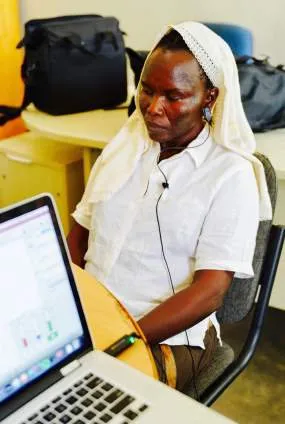
Participants completed the self-report measures as a group over the course over several days. Each question was read aloud to the group in English and Arabic. Participants responded privately using pencil and paper. For HRV measures, participants completed measurement individually with the help of an assistant. An ear-clip which monitors heart rate was affixed to their ear, and each person sat quietly and rested for two minutes while their heart rate was monitored. De-identified heart data were sent to collaborators at The New School in New York City, where the signal was inspected and corrected for any errors possibly due to movement. Self-report questionnaires were scanned and sent to our New School colleagues. Our colleagues then analyzed the data and aided in interpretation.
Outcomes
Participation and Reception. Participants were thoroughly engaged in the process of completing both the self-report measures and the heart measure. During self-report, participants were moved that someone would care to learn about their stresses and challenges, and the fact that standard, global measures existed to assess posttraumatic stress, mental health, and empowerment gave them a sense of validation. What they were experiencing was so expectable that the world had come up with names for it. Relatedly, as participants’ hearts were monitored, they got instant live feedback on their stress and resilience scores. Doing so helped them feel that they could target how to work on improving their mental health, and validated to see that the stress they’d been experiencing was not “all in their heads.” Participants completed measures during the first three days of the in-person training and during the last three days of the in-person training. They also completed the physiology measure at the end of the six-week mentorship period. Physiology is expected to change more slowly than self-report.
Baseline data: comparison to established norms
PTSD Symptoms. The average level of PTSD symptoms was 2.38 (SD = .58) on a 1-4 scale, meaning that the average person had PTSD. Symptoms of intrusion, avoidance, and hyperarousal were all relatively equal. 35% of participants had responses above clinical cutoff, which meant there scores were consistent with a PTSD diagnosis. For the sake of comparison, 10% of people globally who have experienced trauma have PTSD. This rate of PTSD is 3.5X higher than established global rates.
Emotion Dysregulation. The average level of emotion dysregulation symptoms was 3.12 (SD = .46) on a 1-5 scale, meaning that the average person had problems with regulating emotion. 94% of participants had responses above clinical cutoff. For the sake of comparison, 4-5% of people globally who have experienced clinically significant emotion dysregulation. This rate of emotion dysregulation is 20X higher than established global rates. Emotion dysregulation problems included: impulsivity, lack of acceptance of emotions, lack of coping strategies, lack of emotional clarity and awareness, difficulty pursuing goals (in order of most to least severe).
Physiology. Regarding sympathetic activation, the mean score was 326 (SD = 363); typical ranges go from 1000-3000. While high sympathetic activity usually means high stress/fight-flight, very, very low sympathetic activity means complete disengagement, which often results in an ability to think clearly, problem solve, stay awake, protect oneself against threat, and notice feelings. Twenty-five percent of participants had sympathetic activity that was too low. None had sympathetic activity that was too high. Regarding resilience/regulation, or parasympathetic, arousal, the mean was 31.73 (SD = 15.58). Healthy ranges are 100 or higher. Notable health risk is between 30-60. 95.8% of the sample had notable or worse health risk. Critical, life-threatening risk of a fatal heart attack occurs with values below 30. (Note: as this is not a medical evaluation, we do not tell participants that they are at risk of a heart attack, but do tell them that they need to work on stress.) 58.3% of the sample was in the critical, life-threatening range. For context, this group’s cardiovascular physiology was as though they were over 90 years old.
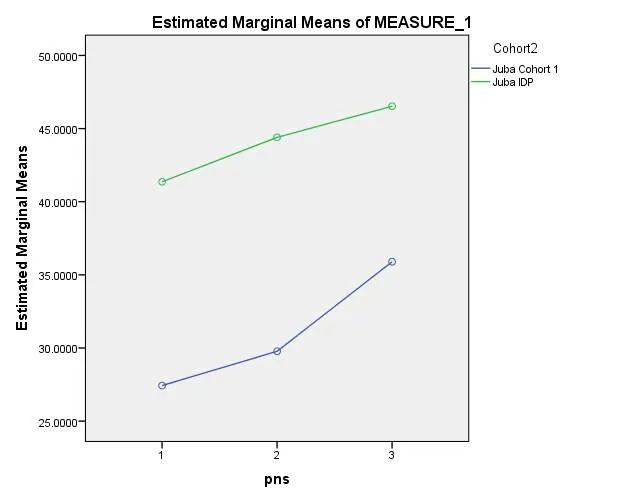
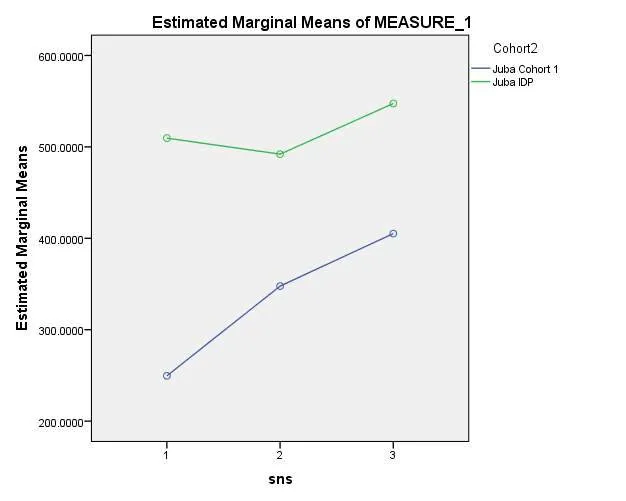
Cohort differences. Cohort 1 had significantly lower sympathetic HRV (t(70) = 3.39, p < .001) and parasympathetic HRV (t(70) = 4.22, p < .001). There were no self-report differences.
Program impact: outcomes data
Change in number of people above diagnostic thresholds
At time 2, 26% of participants met criteria for PTSD (relative to 35% at time 1), indicating that PTSD was reduced by 1/3. 70% of participants at time 2 had clinically significant emotion dysregulation (relative to 95% at time 1). Time 3 self report data were not collected.
At time 2, 95% of participants still had low parasympathetic HRV, and 50% (down from 58%) had critical risk. 22% had low sympathetic HRV (down from 25%). At time 3, 92% still had low parasympathetic HRV (down from 95%), and 34% had critically low parasympathetic HRV (down from 28%). In other words, the number of people with critically low HRV was reduced by nearly half (from 42 individuals to 23 individuals).
| Measure | Time 1 | Time 2 | Time 3 |
|---|---|---|---|
| PTSD (HTQ) | 35% | 26% | Not collected |
| Clinically significant emotion dysregulation (DERS) | 95% | 70% | Not collected |
| Low parasympathetic HRV | 95% | 95% | 92% |
| Critically low parasympathetic HRV | 58% | 50% | 34% (reported as “down from 28%”) |
| Low sympathetic HRV | 25% | 22% | Not reported |
| People with critically low HRV (count) | 42 individuals | Not reported | 23 individuals |
Magnitude and statistical significance of change
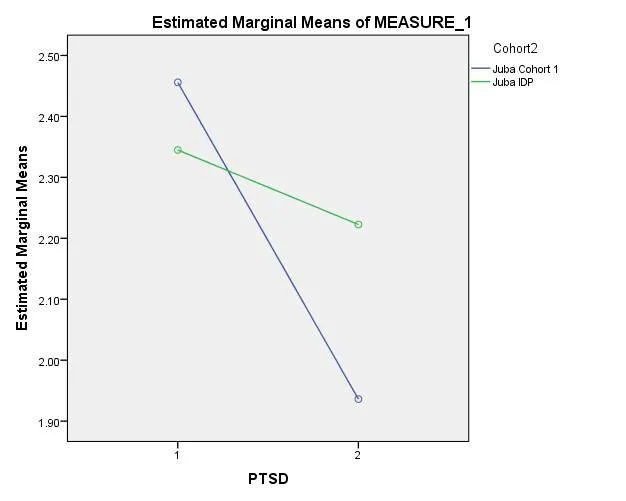
There was a statistically significant reduction in PTSD symptoms from time 1 to time 2; the reduction was larger for cohort 1 than cohort 2. The effect size was medium (d = .4), consistent with most PTSD treatment studies.
There was a statistically significant reduction in emotion dysregulation from time 1 to time 2; the reduction was larger in cohort 2 than cohort 1. The effect size was massive (d = 4.41), by far one of the largest effect sizes in the existing psychological treatment literature.
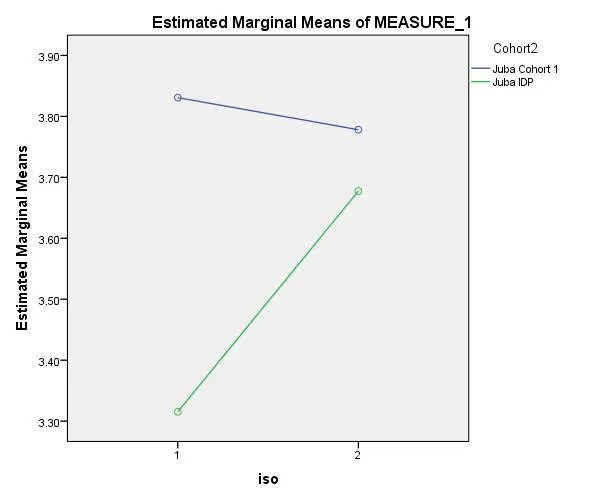
There was almost a statistically significant increase in closeness with other people from time 1 to time 2 across the groups. The difference was significant for cohort 2 but not cohort 1. The effect size was small (d = .15).
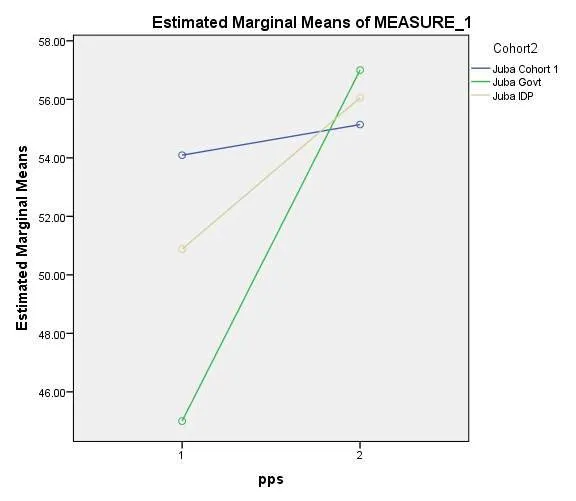
There was a statistically significant increase in empowerment from time 1 to time 2. The changes were biggest for cohort 2. The effect size here was medium (d = .4).
There were no statistically significant increases in sympathetic HRV from time 1 to time 3. As with parasympathetic HRV, the changes were not evident at time 2, instead emerging only after ongoing mentorship. The change in cohort 1 was trending towards an increase, but not statistically significant. The effect size was small (d = .19).
There was a statistically significant improvement in parasympathetic HRV from time 1 to time 3. The changes were not evident at time 2, instead improvement only emerged after the ongoing mentorship period. Data were not available for Juba Govt workers, but otherwise, there were no differences between cohort 1 and cohort 2 IDP. The effect size was medium (d = .38), however, change in this measure within a nine-week time frame is unusual and thus extremely promising.
| Outcome | Period | Significance | Effect size |
|---|---|---|---|
| PTSD symptoms | Time 1 to time 2 | Significant; larger for cohort 1 | d = .4 (medium) |
| Emotion dysregulation | Time 1 to time 2 | Significant; larger for cohort 2 | d = 4.41 (massive) |
| Closeness with other people | Time 1 to time 2 | Almost significant; significant for cohort 2 only | d = .15 (small) |
| Empowerment | Time 1 to time 2 | Significant; biggest for cohort 2 | d = .4 (medium) |
| Sympathetic HRV | Time 1 to time 3 | Not significant; cohort 1 trending upward | d = .19 (small) |
| Parasympathetic HRV | Time 1 to time 3 | Significant; emerged after mentorship | d = .38 (medium) |
Overall, these data highlight that the psychological and physical stress experienced by South Sudanese workers is extraordinarily high. These findings transcend any potential inflation by verbal report or error based upon language misunderstanding, as they are corroborated by physical stress measurement. Despite the high degree of stress experienced by this group, they also evidence significant resilience, and improvement in response to GTP’s intervention. Their changes in PTSD symptoms are on par with gold-standard evidence based treatments (which typically utilize weekly, hourly therapy over a course of three months), supported by an increase in empowerment and closeness with others, and notable improvement in emotion dysregulation. Furthermore, this group shows significant improvement in an index of cardiovascular physiology which not only demonstrates a reduction in direct stress upon the heart but also improvement in the emotion regulation abilities within the brain. Importantly, the physiological changes emerged after a total of three weeks training and six weeks mentorship and facilitation of community workshop. This highlights the importance of ongoing mentorship and hands-on facilitation conducted by participants to solidify the gains made within the three-week in person training. Overall, these findings are sustained and replicated across two cohorts whose professional backgrounds vary. In sum, this program represents a significant innovation in both assessment methodology and, most importantly, intervention with this high-need, high stress, multiply-traumatized group.
Estimated marginal means by cohort
The report includes the following statistical output charts, reproduced as published. Each plots estimated marginal means for each cohort at each assessment point (1 = start of training, 2 = end of training, 3 = end of mentorship).
Summary
108 participants (46 females and 62 males.) from civil society, government, and POC backgrounds attended 15 days training on Trauma-Informed Community Empowerment. 106 of these successfully graduated with Certificates of Achievement certified by the South Sudan Ministry of Education.
Global Trauma Project is using a highly novel and rigorous approach to outcomes assessment, connecting physical health to psychological well-being. With the help from our partner, the New School of Social Research, we were able to assess symptoms of posttraumatic stress, poor control over emotions and behavior, and an indicator of brain and heart wellbeing (called heart rate variability.)
PTSD symptoms have been related to serious life consequences, including work impairment, aggression directed at the family and in the community, and serious long-term physical health problems. People may have serious problems with concentration, and may eventually withdraw from society completely. Similarly, low sympathetic HRV is related to difficulties in sustaining attention or pursuing goal directed behavior, and low parasympathetic HRV is related to difficulties inhibiting impulses and aggression, difficulties inhibiting attention to distractions, difficulties regulating emotions and calming down, misperceiving others' emotions as threatening when they are safe, and having new-onset cardiovascular, respiratory, and digestive illnesses. So, reducing PTSD symptoms and emotion dysregulation, and increasing extremely low HRV should help people to better concentrate and pursue goal-directed activities, which will improve their economic circumstances; will help people to more accurately perceive social cues and inhibit impulses, which will help reduce aggression; and will reduce physical health problems that are exacerbated by stress.
With three weeks of “Trauma-Informed Community Empowerment” (TICE) training, the rate of PTSD was reduced by 60%. There was also significant reduction in emotional and behavioral dysregulation. The rate of heart stress was reduced by 15% (which is a large change for three weeks), and the number of people with critically low HRV was reduced by nearly half.
Following the initial 3-week training, participants formed 20 teams, and facilitated 53 trauma-awareness community workshops, reaching a total of 1,569 community members.
Participants were positive, committed, and eager to use what they had learned and to facilitate trauma-awareness workshops within their own communities. Although we had initially anticipated that participants would struggle to conduct community workshops, we found that the opposite occurred. Participants reported feeling that the information and skills learned is critical for community healing and for increased peace within the country.
Importantly, the physiological changes emerged after a total of three weeks training and six weeks mentorship and facilitation of community workshop. This highlights the importance of ongoing mentorship and hands-on facilitation conducted by participants to solidify the gains made within the three-week in person training.
As one participant from the Juba 1 Government Cohort stated:
“This training is very relevant to our country South Sudan. It should be included in the education curriculum so that it can be taught to our children in school. We all need this information for healing and for peace to come to South Sudan, and we should start by teaching our youth.”
A trauma-informed approach includes, but is greater than, this South Sudan Trauma-Healing Initiative. Individual participants demonstrated great improvements in health and well-being, and conversely a reduction in symptoms of trauma. However, particularly within the PoC, we were dismayed by the extent of on-going re-victimization, often times by systems whose mandate is to build peace and development. GTP is committed to dismantling the unjust power structures that mire individuals and systems in cycles of victimization/ aggression. We believe a trauma-informed approach must transcend specific interventions, and transform policies and systems.
Please find a video about this Trauma Healing Initiative with participant interviews here: vimeo.com/216132538
Recommendations
Based on the learnings from this initiative, GTP recommends the following:
01
Trauma-Informed Systems
UN Systems and other crucial bodies receive additional training and support in integrating trauma-informed concepts into their work as a way of supporting better community outcomes.
02
Local Language Capability
Both the content and the process of the 15-day training require that safety and connection be quickly built. Therefore, the trainings must be delivered in a language that participants understand and appreciate. For future trainings, Assistant Trainers will speak the local language of the participants.
03
Clear Procedures for Community Workshops
There was confusion about the organization of community workshops, including what refreshments, stationery, and transport stipends would be provided. Round 1 participants bore the brunt of the confusion, which impacted their morale and commitment to the workshops. GTP Assistant Trainers actively mentored the teams, and ended up taking on additional logistical duties outside their scope of work. Streamlined procedures will better support participants to effectively facilitate workshops.
04
Protection of Civilian (PoC) Camps
If trainings are to be held within a PoC, it is imperative to have flexibility to meet the needs of the participants. This includes providing adequate security (including transportation), appropriate food, and adapting procedures for community workshops.
05
Integration of Trauma-Informed Activities
It will be important to support the on-going integration of trauma-informed supports into existing peace-building, security, humanitarian aid activities. Most helpful is to build upon the community’s natural resources. This could include activities such as: supporting cultural and spiritual practices; physical exercise and sports programming; activities that promote cognitive functioning and decision-making; and activities that encourage self-awareness and regulation. The use of arts, theatre, music, sports, religion, and culture all play a critical role in strengthening healing efforts.
06
Importance of Mentorship Period and Community Workshops
Physiological changes emerged after a total of three weeks training and six weeks mentorship and facilitation of community workshops. This highlights the importance of ongoing mentorship and hands-on facilitation of community workshops conducted by participants to solidify the gains made within the three-week in person training.
07
Integration of Training Material into Standard Curricula
As this initiative has demonstrated positive impacts amongst participants’ well-being, self-regulation, and reduced aggression, we recommend that deeper collaboration take place with the appropriate ministries to integrate this transformative content into standard academic curricula.
Notes and references
Footnotes as they appear in the original report. Some web addresses may no longer be live.
- https://www.amnesty.org/en/documents/afr65/3203/2016/en/ ↩
- Unni Krishnan Karunakara et al., “Traumatic events and symptoms of post-traumatic stress disorder amongst Sudanese nationals, refugees and Ugandans in the West Nile,” African Health Sciences, 2004, p. 88, available at: http://kops.uni-konstanz.de/bitstream/handle/123456789/11366/Karunakara_etal2004.PDF;jsessionid=9B57C94F7346EF5000577E9024A0F3E2?sequence=1 ↩
- Bayard Roberts et al., “Post-conflict mental health needs: a cross-sectional survey of trauma, depression and associated factors in Juba, Southern Sudan,” BMC Psychiatry, 2009, p. 5, available at: http://www.biomedcentral.com/content/pdf/1471-244X-9-7.pdf A survey of populations in Abyei found that 37.8% of respondents met syptom criteria for PTSD. See also Belkys López and Hazel Spears, Stabilizing Abyei: Trauma and the Economic Challenges to Peace, Kush, 2013, available at: http://server2.docfoc.com/uploads/Z2015/12/20/zXgw5Bj4vM/7032e8dd1043bb97e5251705dce7182c.pdf ↩
- It found that respondents who had experienced eight or more of the 16 trauma events included in the questionnaire were more likely to exhibit symptoms of PTSD and depression. Bayard Roberts et al., “Post-conflict mental health needs: a cross-sectional survey of trauma, depression and associated factors in Juba, Southern Sudan,” BMC Psychiatry, 2009, p. 6. ↩
- Nina Winkler, “Pyscho-social intervention needs among ex-combatants in Southern Sudan,” Bonn International Centre for Conversion, 2010, p. 14, available at: http://www.ssddrc.org/uploads/SSDDRC_Psycho_Social_Assessment.pdf ↩
- The survey used the Harvard Trauma Questionnaire (HTQ) to assess 16 types of traumatic events and PTSD symptoms. South Sudan Law Society (SSLS) et al, Search for a New Beginning: Perceptions of Truth, Justice, Reconciliation and Healing in South Sudan, October 2015, p. vii, (no public link given in the original report) ↩
- David K. Deng et al, A War Within: Truth, Justice, Reconciliation and Healing in Malakal PoC, 2015, p. v, available at: https://radiotamazuj.org/sites/default/files/SSLS_A_War_Within_Dec_2015_.pdf ↩
- http://www.nctsn.org/resources/topics/treatments-that-work/promising-practices ↩
- http://www.nctsn.org/sites/default/files/assets/pdfs/arc_general.pdf ↩
- http://www.traumacenter.org/products/pdf_files/JCAT_ARC_Anchorage_paper.pdf ↩
- http://www.abcdinstitute.org/ ↩
- http://www.traumacenter.org/products/pdf_files/Benefits_of_Mindfulness.pdf ↩
- http://www.who.int/mental_health/emergencies/guidelines_iasc_mental_health_psychosocial_june_2007.pdf ↩
South Sudan Trauma Healing Initiative: Juba Final Report
The original report as published by Global Trauma Project, June 2017 (PDF, 34 pages).
Healing. Empowerment. Transformation.
Help break the cycle of violence.
Learn how GTP’s South Sudan Trauma Healing Initiative trains local leaders, government workers and community watch members to support healing and peace in their communities.